 0
0
 0
0
New Delhi, Apr 21: Following World Liver Day on April 19, health experts across India are raising serious concerns about a sharp increase in fatty liver disease, particularly affecting the nation’s young adult population.
Dr. Shiv Kumar Sarin, Director of the Institute of Liver and Biliary Sciences (ILBS) in New Delhi, highlighted the critical need for awareness and proactive liver care. “I wish liver day was celebrated every day. We should focus on liver health as soon as we wake up,” he stated, emphasizing the link between liver health and longevity. “A healthy liver leads to a longer life, and if we all take care of it, India will become a healthier nation.” Dr. Sarin also passionately advocated for organ donation, calling the liver the “most precious organ.”
The warnings come amidst concerning data revealed by Mahajan Imaging & Labs. Their recent findings show that a staggering 35% of young adults under the age of 45 who underwent ultrasound scans in the past six months were diagnosed with fatty liver disease.
Medical professionals attribute this alarming trend primarily to modern lifestyle factors. Sedentary habits, poor dietary choices often high in processed foods and unhealthy fats, and increased stress levels are cited as major contributors negatively impacting liver health, especially in younger and middle-aged individuals.
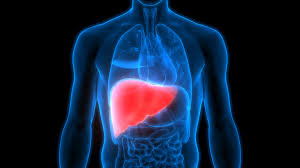
Fatty liver disease, medically known as hepatic steatosis, involves the accumulation of excess fat within liver cells. A significant danger lies in its often silent progression. In the early stages, it rarely presents noticeable symptoms. However, if left unaddressed, it can escalate to more severe conditions including liver inflammation (hepatitis), scarring (fibrosis), irreversible damage (cirrhosis), and potentially liver cancer.
Non-alcoholic Fatty Liver Disease (NAFLD) is now the most prevalent chronic liver condition worldwide, affecting an estimated 32.4% of the global population. Its prevalence has seen a dramatic rise, climbing from 26% in 2005 to 38% in recent years. Projections suggest this figure could reach 55.4% by 2040 if current trends continue.
“Fatty liver often develops without noticeable symptoms,” warned Dr. Harsh Mahajan, Founder and Chairman of Mahajan Imaging & Labs. He advised the public to be vigilant for subtle signs such as persistent fatigue, unexplained weight gain, discomfort in the upper right abdomen, or elevated liver enzymes detected during routine blood tests, which could indicate underlying liver issues.
Dr. Mahajan stressed the critical importance of early detection through regular screening, including Liver Function Tests (LFT) and abdominal ultrasounds. This is particularly crucial for individuals with known risk factors like obesity, diabetes, or those leading a sedentary lifestyle.
Experts unanimously agree that timely diagnosis and intervention, primarily through significant lifestyle modifications focusing on diet and exercise, are key to reversing fatty liver disease in its early stages and preventing the progression to life-threatening complications. The consensus calls for increased public awareness campaigns, promotion of regular health screenings, and a collective shift towards healthier habits to combat this growing health crisis.
Disclaimer: This news article is based on information provided by the health experts and diagnostic centers cited. It is intended for informational purposes only and should not be considered medical advice. Please consult with a qualified healthcare professional for any health concerns or before making any decisions related to your health or treatment.