 0
0
 0
0
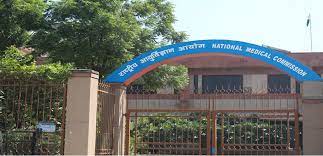
New Delhi — In a development that has raised serious questions about the integrity of India’s medical admission process, the National Medical Commission (NMC) has called for an immediate state-level investigation into a glaring financial anomaly. According to seat allotment data from the recent NEET-PG counseling, approximately 148 candidates registered under the Economically Weaker Section (EWS) category have secured admission into high-cost Management and NRI quota seats—positions that command tuition fees ranging from ₹25 lakh to over ₹1 crore per annum.
The revelation has triggered a wave of concern among healthcare educators and policy experts, highlighting a potential systemic failure in the verification of economic status for medical aspirants.
The Findings: A Statistical Paradox
The core of the controversy lies in the stark contradiction between the financial criteria for EWS status and the actual costs of the seats procured. To qualify for the EWS category, a candidate’s annual family income must be less than ₹8 lakh. Furthermore, the family cannot own significant assets such as five acres of agricultural land or a residential flat larger than 1,000 square feet.
However, data from the first round of post-graduate medical counseling reveals that 148 of these “economically weaker” students bypassed the subsidized government seats intended for them. Instead, they opted for—and presumably possess the means to pay for—luxury quota seats in private institutions.
Key Data Points:
-
Total Students Involved: ~148 EWS candidates in the first round alone.
-
Fee Structure: Management and NRI quota fees in these institutions range from ₹25 lakh to over ₹1 crore annually.
-
Geographic Hotspots: The majority of these anomalies were reported in Maharashtra (55 seats), Karnataka (27 seats), and Tamil Nadu (23 seats).
-
Institutional Concentration: The DY Patil Group of institutions in Maharashtra (Kolhapur, Navi Mumbai, and Pune) accounted for the highest single-cluster allocation, with 19 such seats going to EWS candidates.
-
Specialties in Demand: The seats are largely in highly coveted clinical specialties, including General Medicine (26), General Surgery (20), and Anaesthesiology (17).
Regulatory Response: “States Must Investigate”
Dr. Abhijat Sheth, Chairperson of the National Medical Commission, confirmed the irregularity and clarified that the onus of verification lies with state authorities.
“The management or NRI quota seats were allocated to the EWS candidates during the state counseling — this is not part of the All India Quota,” Dr. Sheth stated in a recent interaction with the press. “The states should investigate the matter and take appropriate action.”
The NMC has flagged the issue to the Union Health Ministry, emphasizing that while the central body regulates medical education standards, the issuance of income certificates and the execution of state-level counseling fall under the jurisdiction of district administrations and state counseling committees.
The “Sponsorship” Loophole
Experts argue that this phenomenon is not merely an administrative oversight but a symptom of a deeper “loophole” in the reservation system. Dr. Pravin Shingare, former head of Maharashtra’s Department of Medical Education and Research (DMER), provided critical context on how these candidates likely bypass scrutiny.
“This has been happening since the quota was introduced in the 2021-22 academic year,” Dr. Shingare explained. “The intent behind the EWS quota was good… But many people are able to get fake certificates. When you investigate the matter, the candidates say that their uncle, aunt, or other family members are sponsoring their education, or a trust is funding it, or they have secured a loan. What do you do then?”
This “sponsorship defense” effectively ties the hands of regulators, as there is currently no legal framework preventing a verified EWS candidate from accepting third-party funding to pay for a seat that costs ten times their family’s annual income.
Implications for Public Health and Equity
The diversion of EWS candidates into high-fee seats has profound implications for the healthcare ecosystem:
-
Displacement of Merit: The EWS quota is designed to help high-merit students from poor backgrounds access government education. When students with lower ranks (who can secretly afford high fees) use EWS status, they potentially crowd out genuine candidates in other categories or manipulate the counseling algorithm.
-
Resource Allocation: Subsidized medical education is a taxpayer-funded investment intended to diversify the medical workforce. Misuse of these provisions undermines public trust in health policy.
-
Future Workforce Integrity: “If a student’s entry into the medical profession is based on a foundational lie about their economic status, it sets a worrying precedent for their ethical conduct as a future physician,” noted a senior faculty member from a government medical college who requested anonymity.
Potential Limitations and Counter-Perspectives
While the numbers suggest fraud, legal experts caution against a blanket accusation without individual probes. It is theoretically possible, albeit statistically unlikely for such a large cohort, that some candidates have genuinely secured high-value educational loans or legitimate philanthropic sponsorship. The NMC’s call for a probe is intended to distinguish between these legitimate outliers and systemic fraud.
Conclusion
As the second round of counseling approaches, the spotlight is now firmly on state governments to tighten verification protocols. Without rigorous checks, the EWS quota risks becoming a tool for the privileged to game the system, rather than a bridge for the underprivileged to enter it.
Medical Disclaimer:
This article is for informational purposes only and should not be considered medical advice. Always consult with qualified healthcare professionals before making any health-related decisions or changes to your treatment plan. The information presented here is based on current research and expert opinions, which may evolve as new evidence emerges.
References:
-
Primary Report: Medical Dialogues. (2025, November 30). “148 EWS category students take around Rs 1 crore Management, NRI quota seats, NMC calls for state-level probe.”