 0
0
 0
0
A significant hepatitis A outbreak has swept across central Europe, with more than 2,000 cases reported since the start of 2025 in Austria, Czechia, Hungary, and Slovakia. The European Centre for Disease Prevention and Control (ECDC) has issued a multicountry alert, confirming cross-border and person-to-person transmission, particularly within closely connected social networks and geographical regions.
Outbreak Details and Transmission
Genetic sequencing has identified two closely related hepatitis A virus (HAV) strains at the heart of the outbreak. Austria, Czechia, Hungary, and Slovakia have reported 880, 87, 600, and 530 cases respectively. The disease has resulted in three deaths in Austria and six in Czechia. Although Germany is not officially considered affected, three cases there have matched the outbreak strains found in Hungary and Austria, further highlighting the cross-border spread.
The ECDC’s rapid risk assessment emphasizes that HAV is primarily transmitted through contaminated food and water or close contact with infected individuals. The outbreak is disproportionately affecting homeless adults, people who use or inject drugs, and those living in poor sanitary conditions or with limited access to healthcare. Notably, a significant number of cases have also been identified among Roma communities in Czechia and Slovakia.
Demographic Patterns
The outbreak has revealed notable demographic differences across the affected countries:
-
Hungary: Most cases are adults.
-
Czechia: Highest incidence among children aged 1-9 and adults aged 25-44.
-
Slovakia: Ongoing since late 2022, with most cases in children from Roma communities in the east.
-
Austria: Case numbers are rising, with a male predominance and a median patient age of 34. Most required hospitalization, and three deaths have occurred.
Clinical Features and Response
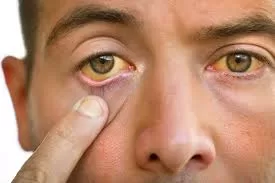
Most hepatitis A cases present with mild symptoms such as fatigue, nausea, loose stools, brief fever, and jaundice. Children often experience asymptomatic or mild illness, while teenagers may have abrupt onset with fever and abdominal discomfort. The majority of patients recover spontaneously, though some require intravenous fluids for dehydration. No deaths have been reported in the pediatric population at Hungary’s Semmelweis University, where all hospitalized children have recovered.
Prevention and Public Health Measures
The ECDC recommends robust epidemiologic investigations, targeted prevention, and community outreach to contain the outbreak. Good hand hygiene—especially after bathroom use, diaper changes, and before food preparation—is critical. At-risk populations are urged to consider vaccination, which is highly effective and available in several inactivated forms. Post-exposure prophylaxis with the hepatitis A vaccine is also advised for close contacts of confirmed cases.
Outlook
The outbreak underscores the vulnerability of marginalized groups and the importance of vaccination and hygiene in preventing HAV transmission. Public health authorities across Europe are intensifying efforts to contain the spread and protect those most at risk.
“Strict control measures, such as reinforcing personal hygiene, contact tracing, and administration of vaccine to exposed persons, have proven to be effective in outbreaks,” said Dr. Kinga Kardics, a tropical disease specialist in Budapest.
Disclaimer:
This article is based on information available as of June 27, 2025, and summarizes findings reported by the European Centre for Disease Prevention and Control and frontline clinicians. The situation is evolving, and readers are advised to consult local health authorities and official sources for the latest updates and guidance. The information provided does not constitute medical advice and is intended for informational purposes only.