 0
0
 0
0
Europe is currently facing an alarming rise in mosquito-borne diseases, with outbreaks of chikungunya and West Nile virus reaching record levels in 2025. Experts from the European Centre for Disease Prevention and Control (ECDC) and other health authorities warn that climate change and environmental factors are driving longer, more intense transmission seasons, posing growing public health challenges across the continent.
Record Outbreaks and Expanding Risk Zones
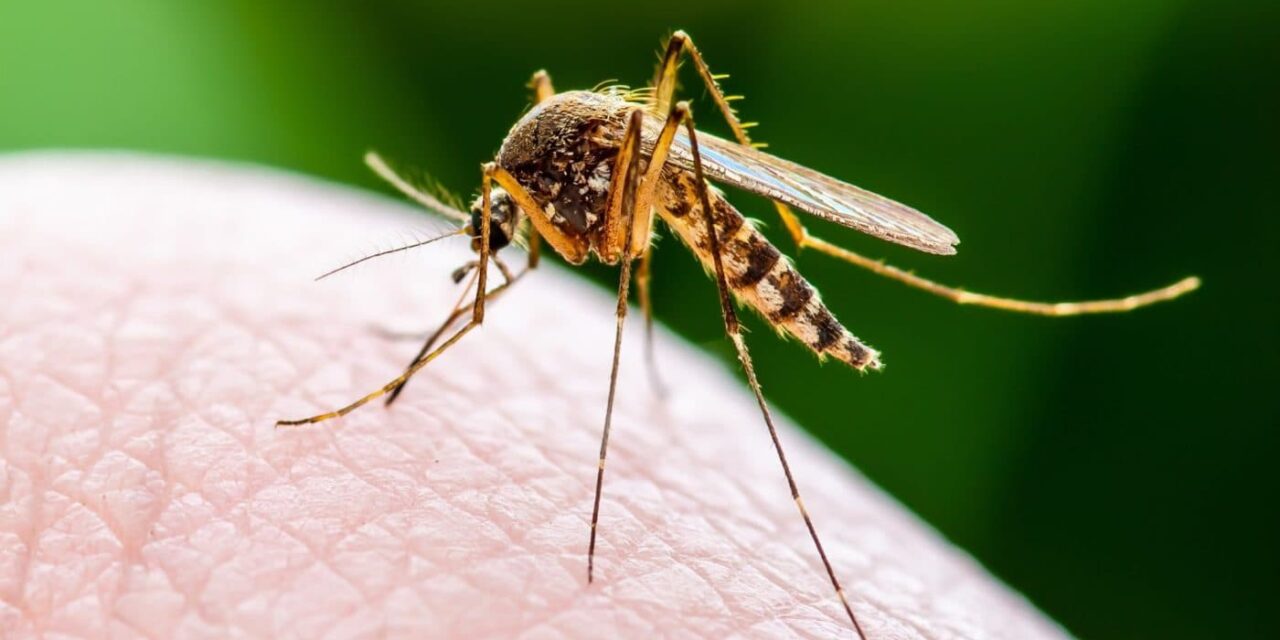
In 2025, Europe has experienced 27 chikungunya virus outbreaks, the highest ever recorded on the continent. For the first time, a locally acquired chikungunya case was reported in France’s Alsace region, far north of previously known transmission zones. The mosquito species Aedes albopictus, which can spread chikungunya, is now firmly established in 16 European countries and 369 regions—up from 114 regions a decade ago. This extensive spread, combined with rising international travel, increases the likelihood of local outbreaks.
Simultaneously, West Nile virus (WNV) infections have surged, with 335 locally acquired cases reported in eight European countries by mid-August 2025, including 19 deaths. Italy is the worst-hit country, reporting 274 confirmed cases and accounting for more than 80% of the total infections in Europe this year. Other countries affected include Greece, Serbia, France, Romania, Hungary, Bulgaria, and Spain. Notably, WNV has been detected in new areas of Italy, such as the provinces of Latina and Frosinone, signaling ongoing geographic spread.
Climate Change and Environmental Drivers
Experts unanimously attribute the intensifying mosquito-borne disease activity to climatic and environmental changes. Rising temperatures, longer summers, milder winters, and altered rainfall patterns are creating increasingly favorable conditions for mosquito populations to thrive. For instance, warmer weather accelerates the life cycle of mosquito vectors like Aedes albopictus, enabling faster reproduction and longer active seasons. This ecological shift aligns with the growing number and geographic expansion of outbreaks observed in Europe.
Jacob Lorenzo-Morales, director of the University Institute of Tropical Diseases and Public Health of the Canary Islands, explained that intense heat waves accelerate mosquito vector life cycles, exacerbating transmission risks. Pamela Rendi-Wagner, director of ECDC, emphasized, “Europe is entering a new phase—where longer, more widespread and more intense transmission of mosquito-borne diseases is becoming the new normal”.
Public Health Responses and Challenges
The ECDC has responded by enhancing surveillance efforts with weekly epidemiological updates and issuing comprehensive guidance on mosquito-borne diseases such as chikungunya, dengue, Zika virus, and WNV. These guidelines provide tailored, practical measures for prevention, control, and outbreak response, adapted to various levels of regional risk and vector presence.
Public health authorities are urged to strengthen integrated vector management strategies, including environmentally friendly mosquito control interventions. The urgent goal is to curtail disease spread and protect vulnerable populations like children, the elderly, and people with weakened immune systems.
Healthcare professionals are also advised to maintain high clinical awareness for early diagnosis and reporting of these infections. Although vaccines for chikungunya are in development, no licensed human vaccine currently exists for West Nile virus, underscoring the importance of non-pharmaceutical preventive measures.
Practical Implications for the Public
For individuals living in or traveling to affected areas, experts recommend robust personal protective measures. These include using mosquito repellents, wearing long-sleeved shirts and trousers—especially at dawn and dusk when mosquitoes are most active—and employing physical barriers such as window screens and bed nets.
The ECDC also advises increased public awareness to reduce exposure and prompt early medical consultation if symptoms such as fever, rash, joint pain, or neurological signs develop after potential mosquito bites.
Limitations and Balanced Perspective
While the data point to an unsettling rise in mosquito-borne diseases in Europe, several factors complicate the full risk assessment. Variability in surveillance quality, reporting delays, and underdiagnosis may influence the recorded incidence figures. Additionally, the direct attribution of increased outbreaks solely to climate change remains nuanced—other factors like urbanization, human mobility, and local vector control infrastructure also play critical roles.
Furthermore, although chikungunya and WNV have shown marked increases, dengue and Zika virus have so far exhibited more limited transmission in Europe but remain threats due to the presence of competent mosquito vectors.
Looking Forward: Addressing a Growing Threat
The intensification of mosquito-borne diseases in Europe calls for coordinated regional and national responses that integrate climate adaptation strategies with public health planning. As transmission seasons lengthen and vectors spread into new territories, strengthening surveillance, vector control, public education, and healthcare preparedness will be crucial.
Innovative approaches such as the release of mosquitoes infected with Wolbachia bacteria show promise in reducing virus transmission, although further research and scale-up are needed. Advancing vaccine development and expanding access will also be important tools in the future arsenal against these diseases.
References