 0
0
 0
0
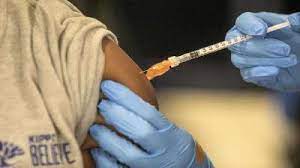
GENEVA – The World Health Organization (WHO) has issued a rare and pointed rebuke of a proposed clinical trial in Guinea-Bissau, sparking a global conversation on the ethics of medical research in developing nations. The controversy centers on a randomized controlled trial (RCT) designed to study the hepatitis B birth dose vaccine—a life-saving intervention that has been the global gold standard for over 30 years.
At the heart of the dispute is a fundamental ethical question: Is it ever acceptable to withhold a proven, life-saving vaccine from newborns in the name of research? According to the WHO, the answer is a resounding “no.”
The Conflict: Science vs. Ethics
In a formal statement released February 13, 2026, the WHO expressed “significant concerns” regarding the study’s scientific justification and ethical safeguards. The proposed trial aimed to use a “no-treatment” arm, meaning a group of newborns would deliberately not receive the hepatitis B vaccine at birth so researchers could compare outcomes against a vaccinated group.
The WHO argues that because the vaccine’s efficacy is already a settled scientific fact, denying it to infants constitutes “foreseeable harm.”
“The hepatitis B birth dose vaccine is known to have a proven safety record across decades of use,” the WHO stated. “A study which withholds it exposes newborns to serious and potentially irreversible harm, including chronic infection, cirrhosis, and liver cancer.”
A Deadly Legacy: Why the Birth Dose Matters
Hepatitis B is a viral infection that attacks the liver and can cause both acute and chronic disease. For newborns, the stakes are staggeringly high. When a child is infected during childbirth—the most common route of transmission—there is a 90% chance they will become a chronic carrier.
Over time, these chronic infections lead to:
-
Liver Cirrhosis: Permanent scarring that stops the liver from functioning.
-
Hepatocellular Carcinoma: A primary form of liver cancer that is often fatal.
-
Premature Death: Hundreds of thousands of people die annually from hepatitis B-related complications.
In Guinea-Bissau, the crisis is particularly acute. Data from 2022 suggests that more than 12% of the adult population lives with chronic hepatitis B. Furthermore, the infection rate in children under five was roughly 2% in 2020—twenty times higher than the global elimination target of 0.1%.
Breaking Down the Ethical Breach
Medical ethics generally dictate that a “placebo” or “no-treatment” group is only permissible if no proven treatment currently exists. Since 115 countries already include the hepatitis B birth dose in their national schedules, the WHO argues the Guinea-Bissau trial violates the Declaration of Helsinki, the cornerstone of human research ethics.
1. The “Safety Signal” Question
The researchers behind the proposed trial reportedly suggested there were “hypothetical safety outcomes” that needed investigation. However, the WHO countered that there is no “credible evidence of a safety signal” that would justify the risk of leaving infants unprotected against a virus that causes cancer.
2. The Trap of “Resource Scarcity”
One of the most controversial aspects of the trial design involved the justification of Guinea-Bissau’s current lack of vaccine access. The WHO was firm: “Resource constraints cannot be used to justify withholding proven care.” In other words, just because a country is poor and hasn’t yet fully rolled out a vaccine doesn’t give researchers the right to use that lack of access as a baseline for an experiment.
3. Bias and Low Utility
Beyond the ethics, the WHO criticized the trial’s “single-blind” design, noting it would likely lead to biased results, making the data virtually useless for future health policy.
The Path Forward for Guinea-Bissau
The government of Guinea-Bissau has since suspended the study pending a full technical review. This comes at a critical time, as the nation formally decided in 2024 to add the hepatitis B birth dose to its national immunization schedule, with a full rollout planned by 2028.
“The policy decision to adopt the vaccine already affirms its value,” says Dr. Elena Rodriguez, an independent global health policy consultant not involved in the WHO statement. “To then run a trial withholding that same vaccine is a contradiction that puts the most vulnerable citizens—infants—at direct risk.”
The WHO has offered to assist Guinea-Bissau in accelerating the vaccine’s introduction by focusing on:
-
Universal Birth Dose: Ensuring delivery within the first 24 hours of life.
-
Maternal Screening: Testing pregnant women for the hepatitis B surface antigen (HBsAg).
-
Cold-Chain Logistics: Improving the infrastructure needed to keep vaccines at the correct temperature in remote areas.
What This Means for Global Health
For the general public, this development serves as a reminder of the rigorous checks and balances intended to govern medical research. While clinical trials are essential for progress, they must never compromise the “duty of care” owed to participants.
For parents and health-conscious consumers, the message is clear: the hepatitis B birth dose is not an experimental treatment. It is a foundational piece of preventative medicine with a 70–95% success rate in stopping mother-to-child transmission.
As the global health community watches Guinea-Bissau’s next steps, the focus remains on ensuring that the “highest ethical and scientific standards” are met, protecting the next generation from a preventable, lifelong disease.
References
- https://www.who.int/news/item/13-02-2026-statement-on-the-planned-hepatitis-b-birth-dose-vaccine-trial-in-guinea-bissau
Medical Disclaimer: This article is for informational purposes only and should not be considered medical advice. Always consult with qualified healthcare professionals before making any health-related decisions or changes to your treatment plan. The information presented here is based on current research and expert opinions, which may evolve as new evidence emerges.