 0
0
 0
0
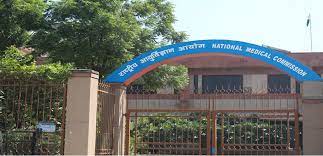
NEW DELHI — In a move set to redefine the DNA of medical training in India, the National Medical Commission (NMC) has officially approved the integration of the Indian Council of Medical Research (ICMR) ethical principles into the core curricula for all medical students. From first-year MBBS candidates to PhD scholars, the next generation of Indian doctors will now be required to master the complexities of bioethics and research integrity as a mandatory part of their professional development.
The decision, finalized by the NMC’s Board of Governors, marks a pivotal shift from elective or incidental ethics exposure to a standardized, nationwide mandate. By embedding the “National Ethical Guidelines for Biomedical and Health Research Involving Human Participants” directly into the MBBS, MD, MS, and PhD programs, the NMC aims to ensure that every clinician entering the workforce is equipped to navigate the increasingly blurred lines between clinical practice, digital health, and experimental medicine.
A Unified Standard for Patient Safety
For decades, ethics in medical education were often treated as “hidden curricula”—values absorbed by observing senior doctors rather than through rigorous, evidence-based instruction. This new mandate changes that dynamic.
The ICMR guidelines, last updated in 2017, provide a comprehensive framework covering a wide array of modern medical dilemmas, including informed consent in vulnerable populations, the handling of biological samples, and the ethical use of artificial intelligence in diagnostics.
“Medicine is not just a technical craft; it is a moral enterprise,” says Dr. Ananya Sharma, a medical educator and consultant not involved in the NMC’s policy drafting. “By making these guidelines mandatory, the NMC is acknowledging that a doctor’s ability to respect patient autonomy and maintain research integrity is just as critical as their ability to perform a surgery or diagnose a rare disease.”
Key Components of the New Curriculum
The integration will follow a tiered approach, tailored to the level of the student:
-
Undergraduate (MBBS): Focus will be placed on the fundamental principles of beneficence (doing good), non-maleficence (doing no harm), and patient confidentiality. Students will learn the legal and ethical requirements of obtaining “informed” consent—moving beyond a simple signature to ensuring a patient truly understands their treatment options.
-
Postgraduate (MD/MS): Training will shift toward clinical research ethics. As these students often conduct the bulk of hospital-based research, they will be trained in the rigorous standards of Institutional Ethics Committees (IECs) and the prevention of data fabrication.
-
Doctoral (PhD): For researchers, the curriculum emphasizes the ethics of clinical trials, publication integrity, and the management of conflicts of interest.
The Catalyst: Why Now?
The push for standardized ethics training comes at a time when India is rapidly expanding its role as a global hub for clinical trials and pharmaceutical development. According to data from the Clinical Trials Registry-India (CTRI), the number of registered trials has seen a steady increase over the last five years.
However, this growth has occasionally been marred by reports of ethical lapses, particularly regarding the recruitment of illiterate or economically disadvantaged participants.
“The globalization of clinical research demands a workforce that speaks the international language of bioethics,” says Michael Richardson, a global health policy analyst. “India is signaling to the world that its medical workforce will be held to the highest standards of the Declaration of Helsinki and ICMR protocols.”
Bridging the Gap Between Research and Practice
Beyond the laboratory, the integration has significant implications for daily patient care. In an era of “big data,” where patient records are increasingly digitized, the ICMR’s guidelines on data privacy and secondary use of health records are more relevant than ever.
For the average patient, this means a future where their doctor is specifically trained to protect their digital privacy and to explain the nuances of “experimental” versus “standard” care.
“Patients often feel a power imbalance when talking to doctors,” notes Sarah Jacob, a patient advocacy representative. “Standardized ethics training empowers the doctor to bridge that gap, ensuring the patient is a partner in care rather than just a subject of a procedure.”
Challenges and Counterarguments
While the move has been widely lauded, some medical educators express concern regarding “curriculum overload.” The Indian medical syllabus is already among the most rigorous in the world.
“The challenge is not the content, but the implementation,” says Dr. Rajesh Verma, a Dean at a private medical college. “If we simply add more lectures and exams, students will treat ethics as another subject to memorize and forget. For this to work, it must be integrated into bedside teaching and clinical rotations.”
Furthermore, critics argue that ethics cannot be “taught” solely through guidelines. There is a fear that a checkbox approach to ethics might lead to “ethical minimalism,” where practitioners do the bare minimum to satisfy legal requirements without internalizing the spirit of the guidelines.
Public Health Implications
From a public health perspective, the NMC’s decision is a long-term investment in public trust. High-profile medical scandals or perceived unethical behavior can lead to vaccine hesitancy and a general distrust of healthcare institutions. By formalizing ethics training, the NMC hopes to build a more resilient healthcare system where transparency is the default.
As the new curriculum rolls out across India’s 600+ medical colleges, the impact will be monitored by the ICMR and the NMC to ensure that these principles translate from the textbook to the clinic.
Medical Disclaimer: This article is for informational purposes only and should not be considered medical advice. Always consult with qualified healthcare professionals before making any health-related decisions or changes to your treatment plan. The information presented here is based on current research and expert opinions, which may evolve as new evidence emerges.
References and Sources
- https://medicaldialogues.in/news/education/nmc-bog-approves-integration-of-icmr-principles-into-mbbs-md-ms-phd-curricula-report-161294