 0
0
 0
0
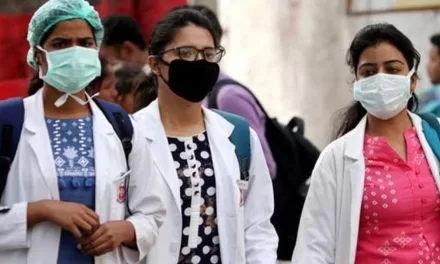
In Indore, Madhya Pradesh, first-year MBBS students at the newly established ESIC Medical College have launched protests over inadequate practical training facilities, claiming classes rely almost entirely on textbooks and PowerPoint presentations three months into the session. The 50 students boycotted practical classes, highlighting missing cadavers in Anatomy and deficient labs in Physiology and Biochemistry, in direct violation of National Medical Commission (NMC) norms. Dean Dr. U. Rajesh Sangram acknowledged the issues and promised resolutions within a week.
Incident Details
Students at ESIC Medical College Indore, a central government institution under the Employees’ State Insurance Corporation (ESIC), reported no hands-on dissection in Anatomy despite NMC requiring one cadaver per 10-15 students for adequate training. For their batch of 50, this means at least 3-5 cadavers should be available, yet none have been provided, forcing reliance on slides. Physiology and Biochemistry labs lack basic equipment like microscopes, test tubes, and reagents, turning practicals into theoretical demos.
Many students, including 35 from Hindi-medium backgrounds, chose ESIC over seats in established colleges like those in Bhopal, Jabalpur, and Ratlam, expecting superior facilities. One anonymous student stated, “Without dissection, it is impossible to understand human anatomy properly.” Another added, “We trusted that a central government institution would meet all norms. Now we feel our crucial learning time is being wasted.”
NMC Standards and Violations
NMC regulations mandate robust practical infrastructure for MBBS pre-clinical subjects to build foundational skills. Anatomy departments require dissection halls, cadavers, and models; Physiology needs labs with equipment for experiments like blood pressure measurement; Biochemistry demands setups for assays and hematology. Skills labs of at least 600 sq.m for up to 150 students must support early hands-on training before clinical postings.
ESIC Indore’s failures breach these, as confirmed by student allegations and recent reports. The college received NMC approval for its first 50 MBBS seats recently, but operational lapses persist. Dean Sangram responded, “The complaints have been taken seriously. We have initiated the process to resolve the issues.”
Broader Context in Indian Medical Education
Cadaver shortages plague Indian medical colleges amid rising MBBS seats, from cultural taboos and low donation awareness to logistical hurdles. NMC’s 1:10-15 ratio is often unmet; some colleges manage with one cadaver for 100 students or resort to models. Maharashtra supplies excess to Karnataka, but interstate bans worsen deficits.
Practical training gaps extend beyond cadavers. Pre-clinical years emphasize integrating theory with hands-on skills via skills labs, yet many institutions prioritize theory. This mirrors past issues, like COVID-era virtual practicals limiting exposure.
Expert Perspectives
Experts stress practical training’s irreplaceability for clinical competence. Dr. Ashwini Jadhav, Head of Anatomy at JJ Hospital Mumbai, noted colleges rely on unclaimed bodies but urge more donations: “People need to be more aware about body donation.” A study on skill labs found students more confident post-training, bridging knowledge-practice gaps.
Dr. Somashekhar SP, Surgical Oncologist at Manipal, highlighted NMC’s virtual modules as supplements, not replacements: “Practical knowledge and real patient experience is vital.” Anatomy educators advocate anatomist-clinician teams for better outcomes. On shortages, one professor said, “Studying separate body parts makes it hard to understand the body’s internal functioning.”
Public Health Implications
Inadequate pre-clinical training risks producing graduates lacking diagnostic and procedural skills, threatening patient safety in India’s overburdened healthcare. Hands-on Anatomy builds spatial awareness for surgery; Physiology experiments teach variability; Biochemistry labs hone lab skills for diagnostics. Deficient doctors could elevate errors, as seen in studies linking poor training to suboptimal care.
For the public, this underscores scrutiny of new colleges. Patients deserve competent professionals; policymakers must enforce norms. Students’ wasted time delays skilled workforce entry amid shortages.
Limitations and Pathways Forward
While student claims are consistent, independent verification awaits; Dean’s one-week fix remains unconfirmed as of January 20, 2026. Cadaver pledges by students help marginally; alternatives like digital simulations exist but lack tactile feedback. NMC could inspect urgently, promote donations via awareness.
Balanced progress needs infrastructure investment, not just approvals. Promoting voluntary donations counters cultural barriers. Until resolved, students face compromised education, but protests spotlight systemic fixes.
Medical Disclaimer: This article is for informational purposes only and should not be considered medical advice. Always consult with qualified healthcare professionals before making any health-related decisions or changes to your treatment plan. The information presented here is based on current research and expert opinions, which may evolve as new evidence emerges.
References:
-
Medical Dialogues. (2026, January 19). No practical training, MBBS taught through textbooks! ESIC Medical College Indore protest alleging NMC norms violations. https://medicaldialogues.in/news/education/medical-colleges/no-practical-training-mbbs-taught-through-textbooks-esic-medical-college-indore-protest-alleging-nmc-norms-violations-162933