 0
0
 0
0
Global health authorities have reaffirmed their commitment to eradicating polio, even as the Global Polio Eradication Initiative (GPEI) faces a daunting 30% reduction in funding for 2026 and a projected $1.7 billion gap through 2029. This announcement comes as donor nations—including the United States, Germany, and the United Kingdom—have scaled back financial support, raising pressing questions about the future of one of the world’s longest-running public health campaigns.
The Current State of Global Polio
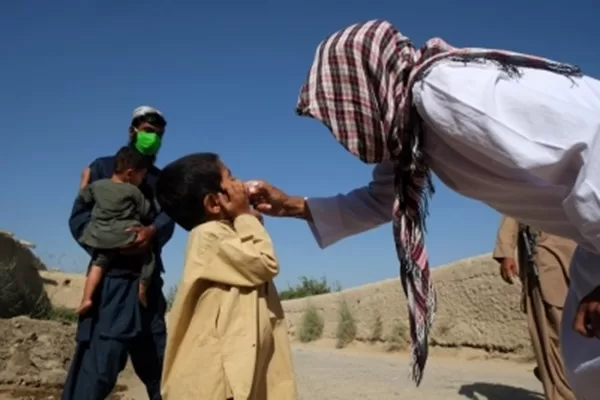
The polio eradication effort, coordinated by the GPEI (a partnership involving the World Health Organization, UNICEF, Rotary International, the U.S. Centers for Disease Control and Prevention, and the Bill & Melinda Gates Foundation), has dramatically reduced polio incidence since mass vaccination began in 1988. Where once polio paralyzed hundreds of thousands of children annually, just 36 cases of wild polio have been reported in 2025, all in Afghanistan and Pakistan—the last two countries where the wild virus remains endemic.
In addition, 149 cases of vaccine-derived poliovirus have occurred this year, primarily in countries like Nigeria. Vaccine-derived polio occurs when the weakened virus in the oral vaccine mutates and spreads in under-immunized populations, highlighting the ongoing need for high coverage even as wild polio numbers fall.
The Impact of Funding Cuts
The sharp reduction in funding, driven by a fall-off in foreign aid from traditional donor countries, is forcing the GPEI and its partners to prioritize high-risk regions where polio transmission remains most persistent. Critical operations will continue in Afghanistan and Pakistan, but activities in lower-risk locations will be scaled back or ceased, unless outbreaks are detected. Strategies being adopted to stretch limited resources include:
-
Increased focus on disease surveillance and outbreak response in hotspot areas
-
Greater integration of polio vaccination with other public health campaigns, such as measles and routine immunization
-
The use of “fractional dosing”—administering one-fifth of a standard vaccine dose, a method shown to be effective in extending supply and coverage at lower cost
“The significant reductions in funding…mean that certain activities will simply not happen,” acknowledged Dr. Jamal Ahmed, director of polio eradication at WHO, during a press briefing on October 21, 2025. He emphasized that eradication remains possible, urging international and local stakeholders not to allow the world “to lose focus when we are so close”.
Scientific and Community Perspectives
Experts agree that, despite the waning support, eradicating polio is still achievable with sustained political will and innovative adaptation. “Eradication is within our reach, but it requires unwavering commitment—especially now that resources are being stretched,” said Dr. Rina Shah, infectious disease specialist at Johns Hopkins University (who is not involved in the current GPEI leadership). Dr. Shah notes that ongoing vaccination and surveillance are crucial, particularly since polio often spreads silently without symptoms, making robust monitoring systems indispensable.
Dr. Hamid Jafari, Director of Polio Eradication and Vaccine-Preventable Diseases for WHO’s Eastern Mediterranean Region, recently underscored the importance of “strong regional solidarity and political will,” and warned that gaps in funding risk reversing hard-won gains.
Historical and Epidemiological Context
Polio, or poliomyelitis, is a highly infectious viral disease that primarily affects children under 5 years old and can cause permanent paralysis. After decades of progress, only two countries—Afghanistan and Pakistan—continue to report endemic transmission of wild poliovirus. The disease’s stealthy ability to infect without causing symptoms in ~90% of cases complicates eradication, requiring both vaccination and environmental surveillance to detect and interrupt transmission.
Since surpassing the original 2000 goal to eradicate polio, the global program has repeatedly adapted to new challenges, including war, insecurity, vaccine hesitancy, and evolving virus strains. The COVID-19 pandemic further disrupted vaccination campaigns and diverted resources, but the recent resurgence in political and financial support gave hope that the finish line was in sight.
Practical and Public Health Implications
For families, particularly in South Asia and sub-Saharan Africa, the continuation and integration of polio vaccines within broader child immunization programs are crucial. With ongoing risks of both wild and vaccine-derived outbreaks, experts urge parents to ensure their children receive the full series of polio immunizations as part of routine care.
“Even a single case of polio anywhere is a threat to children everywhere,” emphasizes Dr. Emily Carter, a pediatrician and vaccine advocate. She urges readers, “It is critical to continue demanding and supporting access to vaccines—not only for polio but for all preventable diseases.”
Limitations, Uncertainties, and The Road Ahead
Some infectious disease specialists question the feasibility of global eradication, citing the virus’s capacity for asymptomatic spread, difficulties reaching children in conflict zones, and the challenge of sustaining international momentum as case numbers dwindle. The threat of vaccine-derived outbreaks in under-immunized communities is an added complication, underscoring the need for high coverage and ongoing surveillance.
Despite these hurdles, advocates caution against abandoning the goal so close to success. As the world faces constrained resources and competing health priorities, the story of polio eradication serves as a lesson in scientific tenacity and international solidarity.
Medical Disclaimer: This article is for informational purposes only and should not be considered medical advice. Always consult with qualified healthcare professionals before making any health-related decisions or changes to your treatment plan. The information presented here is based on current research and expert opinions, which may evolve as new evidence emerges.
References
-
Reuters. “Ending polio still possible, health officials say, as funding cut by 30%.” October 21, 2025. https://www.reuters.com/business/healthcare-pharmaceuticals/ending-polio-still-possible-health-officials-say-funding-cut-by-30-2025-10-21/reuters