 0
0
 0
0
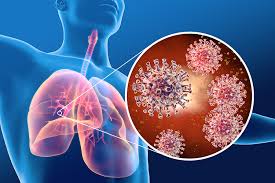
Russia has announced a significant advance in cancer treatment with the development of Enteromix, an mRNA-based vaccine designed to target colorectal (colon) cancer. The vaccine, developed by the Federal Medical Biological Agency (FMBA), has completed preclinical and early clinical trials, showing promising results including tumor shrinkage of 60% to 80% and increased survival rates. Enteromix is personalized for each patient and is on track for official approval and public use. Researchers are simultaneously working on similar vaccines for glioblastoma and melanoma, including ocular melanoma.
Key Developments
Enteromix is Russia’s first mRNA technology-based cancer vaccine directed at colorectal cancer, the third most common cancer worldwide and a leading cause of cancer-related death. The vaccine works by instructing the body’s immune system, using genetic instructions, to recognize and destroy cancer cells early, potentially preventing tumor formation or reducing existing tumor growth. Preclinical trials involved volunteers and animal models; in lab mice predisposed to colon cancer, the vaccine prevented tumor formation with 100% success in some reports. Human trials reported tolerable side effects with no serious adverse events. Tumor reduction varied from 60% to 80% depending on the cancer’s characteristics, with improved survival shown in study subjects.
Veronika Skvortsova, head of FMBA, highlighted at the 10th Eastern Economic Forum that research on Enteromix spanned several years with three years dedicated to mandatory preclinical studies. She emphasized that the vaccine has demonstrated safety even with repeated administration and is now awaiting final approval to be introduced into medical practice.
Expert Commentary
Dr. Anjali Rao, an oncologist not affiliated with the FMBA research, explained, “This approach harnesses the immune system similarly to how COVID-19 mRNA vaccines work, but instead targets cancer cells specifically. If Enteromix’s effects are validated in larger trials, it could represent a paradigm shift in oncology by providing a personalized preventive and therapeutic option.”
However, Dr. Rao also cautioned, “While early data are exciting, cancer vaccines have historically faced challenges in translating animal model success into human efficacy. Large-scale Phase III trials are needed to fully understand the vaccine’s potential benefits and safety across diverse populations.”
Context and Background
Colorectal cancer begins in the colon or rectum and is commonly linked with genetic and lifestyle factors such as processed meat consumption, low fruit and vegetable intake, sedentary habits, obesity, smoking, and alcohol use. According to the World Health Organization, colorectal cancer accounts for about 10% of all cancer cases globally and ranks second in cancer deaths. Early-stage detection improves prognosis, but late diagnosis is common in many countries due to limited screening access.
Cancer vaccines are not new but remain in early stages for most cancers. Existing cancer vaccines primarily target prevention (e.g., HPV vaccine for cervical cancer) or specific cancers such as prostate or bladder cancer treatments. mRNA vaccines represent a newer technology that trains the immune system through genetic messaging. Enteromix represents one of the first attempts to apply this technology to colorectal cancer, offering a customizable immune-targeting approach.
Public Health Implications
If approved and effective on a large scale, Enteromix could transform colorectal cancer management by enabling preventive vaccination, particularly valuable for countries and populations with limited screening and treatment resources. The personalized vaccine’s ability to target cancer cells without damaging surrounding healthy tissue minimizes the risk of side effects common to traditional chemotherapy or radiation.
Additionally, ongoing vaccine development for other aggressive cancers such as glioblastoma and melanoma may widen the scope of immunotherapy in oncology.
Limitations and Balanced Viewpoints
Despite promising early results, the vaccine has not yet cleared Phase III clinical trials, which are essential for confirming effectiveness and safety. The data currently available come from preclinical and limited early human trials, which may not fully predict outcomes in broader, more genetically and demographically diverse populations.
Routine cancer treatments remain critical, and the vaccine should be viewed as a potential adjunct rather than a standalone solution for all colorectal cancer cases at this stage.
Medical Disclaimer
This article is for informational purposes only and should not be considered medical advice. Always consult with qualified healthcare professionals before making any health-related decisions or changes to your treatment plan. The information presented here is based on current research and expert opinions, which may evolve as new evidence emerges.
References