 0
0
 0
0
April 30, 2025
A newly published study in the Journal of Medical Entomology has sounded the alarm on the emergence of babesiosis-a potentially serious tick-borne illness-in the Mid-Atlantic region of the United States. The research, led by Dr. Ellen Stromdahl and a large team of collaborators from state and federal health agencies, documents a growing number of human cases and the presence of the Babesia microti parasite in local tick populations from Delaware, Maryland, Virginia, West Virginia, and the District of Columbia.
Key Findings
-
First Local Cases: The study reports the first locally acquired (autochthonous) human cases of babesiosis in Maryland, Virginia, West Virginia, and DC between 2009 and 2024-regions where the disease was previously considered rare or absent.
-
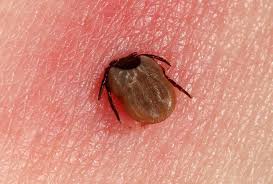
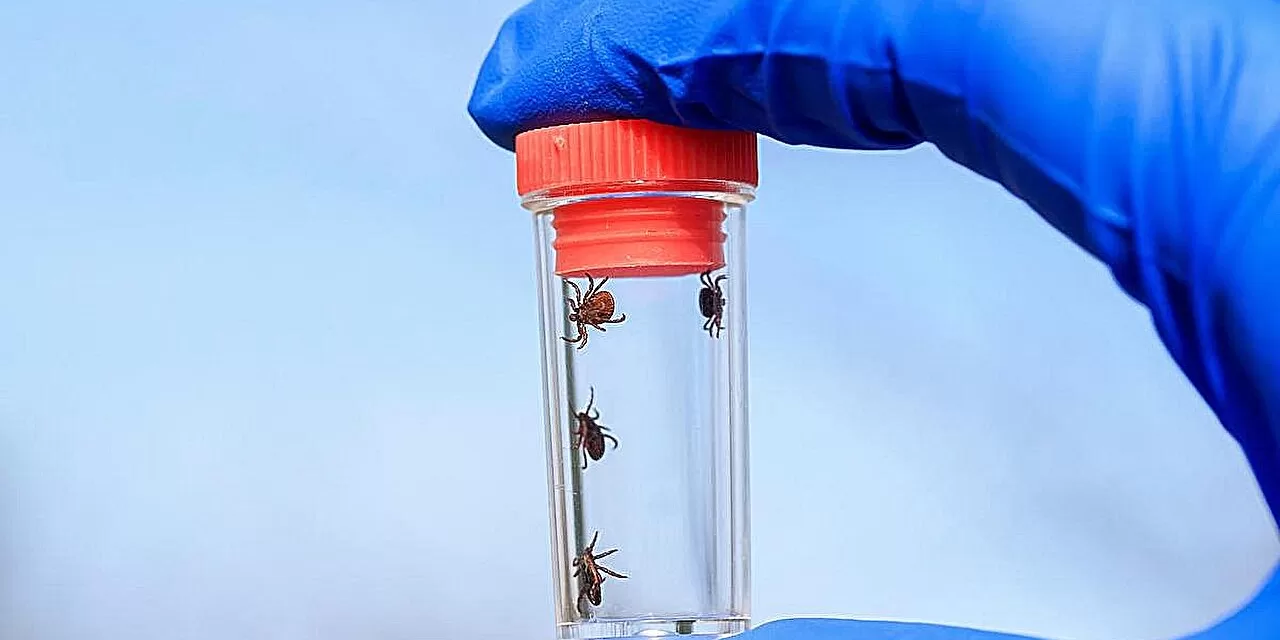
Tick Surveillance: Babesia microti, the primary parasite responsible for human babesiosis, was detected in blacklegged ticks (Ixodes scapularis) and, for the first time, in Ixodes keiransi ticks collected from the region.
-
Coinfections: Alarmingly, half of the ticks carrying B. microti also harbored Borrelia burgdorferi, the bacterium that causes Lyme disease. Some ticks were even found to be triple- or quadruple-infected with other pathogens, complicating diagnosis and treatment.
-
Public Health Concern: The findings highlight that babesiosis is no longer confined to the Northeast and Upper Midwest but is now a growing concern in the Mid-Atlantic.
What is Babesiosis?
Babesiosis is caused by microscopic parasites that infect red blood cells, transmitted primarily through tick bites. While many infections are mild or asymptomatic, the disease can cause severe illness-especially in older adults, people with weakened immune systems, or those with other health conditions. Symptoms may include fever, chills, fatigue, and anemia, and can be easily mistaken for other illnesses, including Lyme disease.
Challenges in Diagnosis and Treatment
Because babesiosis symptoms often resemble those of other tick-borne diseases and can be mild or nonspecific, the illness may be misdiagnosed or overlooked. Importantly, standard antibiotics for Lyme disease (such as doxycycline) are not effective against babesiosis, underscoring the need for accurate diagnosis.
Recommendations
The study’s authors urge increased surveillance, public awareness, and preventive measures:
-
For the Public: Avoid tick bites by using repellents, wearing protective clothing, and performing tick checks after spending time outdoors.
-
For Healthcare Providers: Consider babesiosis in patients with unexplained fever-especially during peak tick season-and be alert to the possibility of coinfections.
-
For Public Health Officials: Enhance tick and disease surveillance in the region and educate both clinicians and the public about this emerging risk.
The Bottom Line
As tick-borne diseases continue to expand their range, vigilance and education are critical to protect public health. The Mid-Atlantic region, once considered low-risk for babesiosis, is now facing a new and growing threat.
Disclaimer:
This news article is for informational purposes only and is not a substitute for professional medical advice, diagnosis, or treatment. If you have concerns about tick-borne diseases or experience symptoms such as fever, fatigue, or unexplained illness after a tick bite or outdoor exposure, consult a healthcare provider. For more information, refer to the original study: Ellen Y. Stromdahl et al., Journal of Medical Entomology (2025), DOI: 10.1093/jme/tjaf054.
Citations: