 0
0
 0
0
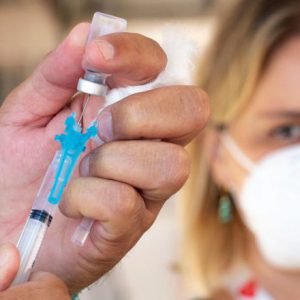
A landmark study published in the British Medical Journal Global Health has found that emergency vaccination efforts have reduced deaths and cases by nearly 60% on average during outbreaks of five major infectious diseases—cholera, Ebola, measles, meningitis, and yellow fever—in low- and middle-income countries. The analysis, funded by Gavi, the Vaccine Alliance, offers the first comprehensive look at the historical impact of vaccination responses to outbreaks, quantifying both human and economic benefits.
Between 2015 and 2019, an estimated two million deaths per year were attributable to vaccine-preventable diseases, according to the Global Burden of Disease project. Researchers at the Burnet Institute emphasized that outbreaks remain prevalent due to gaps in routine immunization coverage, especially in resource-limited settings.
The study assessed 210 outbreaks and found that emergency vaccination campaigns generated nearly $32 billion in economic benefits by averting deaths and years of life lost to disability. Notably, for diseases such as yellow fever and Ebola, targeted vaccination efforts resulted in a 99% decrease in deaths and a 76% decrease in cases, respectively.
Dr. Sania Nishtar, CEO of Gavi, stated, “For the first time, we can comprehensively quantify the benefit, in human and economic terms, of deploying vaccines against outbreaks of some of the deadliest infectious diseases. This study demonstrates the power of vaccines as a cost-effective countermeasure to the increasing risk the world faces from outbreaks.” She also stressed the importance of continued funding for Gavi to sustain these efforts over the next five years.
The report arrives as South America faces a surge in yellow fever cases in 2025, prompting the Pan American Health Organization (PAHO) to issue new epidemiological alerts and reinforce vaccination recommendations for travelers to affected areas. Certified travel clinics and pharmacies in the United States are offering yellow fever vaccines to international travelers, in line with these recommendations.
The economic analysis in the study is considered a conservative estimate, as it does not include the costs of outbreak response or the broader social and macroeconomic impacts of large-scale epidemics. For example, the 2014 Ebola outbreak, which occurred before an approved vaccine was available, cost West African countries more than $53 billion.
“This study demonstrates the power of vaccines as a cost-effective countermeasure to the increasing risk the world faces from outbreaks,” said Dr. Nishtar.
Disclaimer:
This article is based on findings from a study published on July 9, 2025, in the British Medical Journal Global Health and statements from the Burnet Institute and Gavi, the Vaccine Alliance. While the study provides strong evidence for the effectiveness of emergency vaccination campaigns, the estimated benefits may not capture all economic or social impacts. Readers are encouraged to consult healthcare professionals and official public health guidance for the most current recommendations regarding vaccination and disease prevention.