 0
0
 0
0
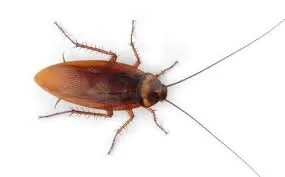
Cockroach infestations are more than just a nuisance—they may be a hidden threat to indoor air quality and respiratory health. A recent peer-reviewed study led by researchers at North Carolina State University (NC State) has revealed that comprehensive cockroach extermination can significantly decrease both allergens and endotoxins within homes, especially those at heightened risk, such as multi-family housing units in urban areas. This breakthrough comes amid growing scientific recognition of the link between household pests, indoor pollutants, and the burden of asthma and other respiratory conditions in vulnerable populations.
The new research, published in The Journal of Allergy and Clinical Immunology: Global in October 2025, involved multi-unit apartment complexes in Raleigh, North Carolina. Scientists sought to understand how cockroach infestations contribute to indoor levels of potent allergens and endotoxins—bacterial byproducts infamous for triggering allergic and inflammatory responses. By comparing homes with varying cockroach infestation levels and tracking changes pre- and post-pest control interventions, the team documented a compelling link between cockroach elimination and reduced household contaminants.
Key Findings
-
Infestation Severity Correlates with Pollutant Load: Homes with high cockroach counts showed large quantities of both allergens (such as Bla g 1 and Bla g 2 proteins) and endotoxins in settled and airborne dust. Kitchens, where cockroaches commonly forage, had particularly elevated endotoxin levels.
-
Female Cockroaches are Major Contributors: Female cockroaches excreted roughly double the endotoxin compared to males, amplifying risks in infested households where females predominate.
-
Extermination Yields Significant Health Gains: Homes receiving effective cockroach elimination saw dramatic drops in both allergens and endotoxins. Partial reductions were not enough—remaining cockroaches continued to shed allergens and endotoxins at dangerous levels.
-
Airborne Risk: Both allergens and endotoxins can become airborne, potentially worsening exposure for residents and increasing asthma risk, especially among sensitive groups like children and people with pre-existing respiratory conditions.
Expert Perspectives
Dr. Coby Schal, Blanton J. Whitmire Distinguished Professor of Entomology at NC State and co-author of the study, explained: “When you eliminate cockroaches, you eliminate their allergens. Small decreases in cockroaches don’t lower allergen levels because the remaining live cockroaches deposit more allergens. Endotoxins significantly decreased in homes where cockroaches were eliminated. This paper shows that the cockroach is the most important depositor of endotoxin in infested homes”.
Dr. Madhavi Kakumanu, NC State research scholar, added: “Endotoxins are important to human health, as inhalation of these components has been shown to provoke allergic responses. More endotoxins were found in kitchens than bedrooms, and female cockroaches shed more than males. Both allergens and endotoxins can be airborne, increasing the risk of respiratory issues for residents”.
External experts echo these concerns. Dr. John Portnoy, allergist at Children’s Mercy Hospital in Kansas City (not involved in the study), commented: “Cockroach allergen exposure is a strong risk factor for asthma, particularly among children in urban environments. The study’s emphasis on comprehensive extermination underscores the need for targeted strategies in housing policy and public health”.
Context and Background
Cockroach allergens, such as Bla g 1 and Bla g 2, are potent triggers for allergic sensitization. Research over two decades consistently shows that children exposed to high levels of cockroach allergens (≥2 U/g dust) are significantly more likely to develop asthma, with some studies citing up to a 36-fold increased risk compared to their peers. Endotoxins—lipopolysaccharide molecules from gram-negative bacteria found in cockroach fecal matter—are another concern, as inhalation stimulates inflammation and has been linked to higher rates of asthma and wheezing in both adults and children.
Low-income households, especially in urban settings, report higher levels of both allergens and endotoxins, in part due to structural housing disparities. Past surveys highlighted that American homes with visible cockroach presence had meaningfully elevated endotoxin concentrations.
Implications for Public Health
The practical implications are profound:
-
Asthma Prevention: Reducing cockroach infestations may lower the risk of asthma onset and exacerbation, especially in at-risk children.
-
Targeted Housing Interventions: Comprehensive pest management should be prioritized in multi-family and low-income housing units, where both allergen and endotoxin loads tend to be highest.
-
Holistic Strategies: Simply reducing cockroach numbers is insufficient. Full extermination is required to achieve clinically meaningful reductions in household allergens and endotoxins.
-
Policy Shift: Housing authorities and public health agencies may need to re-examine pest control practices, integrating environmental monitoring and robust exclusion tactics as part of “healthy homes” initiatives.
Potential Limitations and Counterarguments
-
Study Population: The NC State study focused on apartment complexes in one U.S. city and may not fully capture variabilities in other climates or building types.
-
Infestation Dynamics: Pest control can vary in effectiveness, and recurring infestations could offset initial improvements in allergen and endotoxin levels.
-
Competing Sources: While cockroaches are identified as dominant contributors, pets and humans also shed endotoxins, suggesting multi-faceted approaches are needed for optimal health outcomes.
-
Long-Term Impact: The relationship between allergen/endotoxin reduction and direct improvements in asthma rates remains an area for future research, with animal models (such as mice) being explored to better understand the interplay of these exposures at the molecular level.
Practical Advice for Readers
-
Monitor for Infestation: Use traps or professional inspection if you suspect cockroach activity. Kitchens are high-risk areas.
-
Prompt Extermination: Engage pest management services for complete eradication, rather than relying on DIY or incremental approaches.
-
Improve Ventilation: Regular cleaning and air filtration may help lower airborne contaminants, though pest control remains the gold standard for allergen and endotoxin reduction.
-
Consider Broader Housing Improvements: Advocacy for “healthy homes” should include pest exclusion, integrated pest management, and regular environmental health assessments, especially for families at increased risk.
Medical Disclaimer: This article is for informational purposes only and should not be considered medical advice. Always consult with qualified healthcare professionals before making any health-related decisions or changes to your treatment plan. The information presented here is based on current research and expert opinions, which may evolve as new evidence emerges.
References