 0
0
 0
0
In a major medical breakthrough, eight healthy babies have been born in the United Kingdom through a pioneering in vitro fertilization (IVF) technique that incorporates DNA from three individuals. This innovative method, known as mitochondrial donation treatment, aims to prevent the transmission of severe mitochondrial diseases that can cause fatal damage to organs such as the brain, muscles, liver, heart, and kidneys.
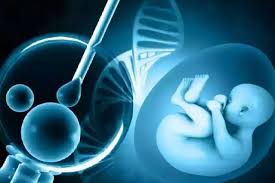
Developed and refined by a team at Newcastle University and the Newcastle Fertility Centre, the procedure involves replacing defective mitochondria—tiny structures within cells responsible for producing energy—in the mother’s egg with healthy mitochondria from a donor egg. As a result, the babies inherit nuclear DNA primarily from their biological mother and father, with approximately 0.1% of their DNA coming from a donor woman’s mitochondria. This helps avert the passage of mitochondrial DNA mutations that would otherwise lead to incurable conditions.
The treated group included 22 women, from whom eight babies have been successfully delivered—including four boys and four girls, among them a set of identical twins. Ages range from under six months to over two years, and all are reported to be healthy and meeting developmental milestones. Testing revealed that mitochondrial mutations were reduced by 95-100% in six of the babies, indicating a significantly lowered risk of disease.
Mitochondrial diseases affect about one in every 5,000 births and are often devastating, potentially fatal illnesses with symptoms that include muscle wasting, impaired vision, and organ failure. Because mitochondria are inherited solely from the mother, this technology represents a vital tool for families burdened by these genetic conditions.
While commonly referred to as “three-parent babies” in the media, scientists emphasize that this label is misleading; the donor’s genetic contribution is minimal and limited to mitochondrial DNA. The technique remains controversial and is banned in some countries, including the United States, due to ethical concerns about germline modifications. However, extensive ethical reviews, public engagement, and regulatory approvals in the UK have supported the introduction of this therapy in clinical practice.
One mother involved in the trial expressed profound gratitude, saying, “Mitochondrial donation IVF made it possible to give our child a healthy start in life. After years of uncertainty, this treatment gave us hope—and then it gave us a baby”.
This achievement marks a significant milestone in reproductive medicine, offering hope to women affected by mitochondrial diseases and advancing the potential to protect future generations from inherited conditions.
Disclaimer: This article is based on the latest research and trial results published in July 2025. The mitochondrial donation IVF technique remains under study, and long-term effects are still being monitored. The term “three-parent babies” is colloquial and not scientifically precise, as the donor’s DNA contribution is limited to mitochondrial DNA. This procedure is subject to legal and ethical regulations that vary by country, and it is not universally available. Consult healthcare professionals for individual medical advice.