 0
0
 0
0
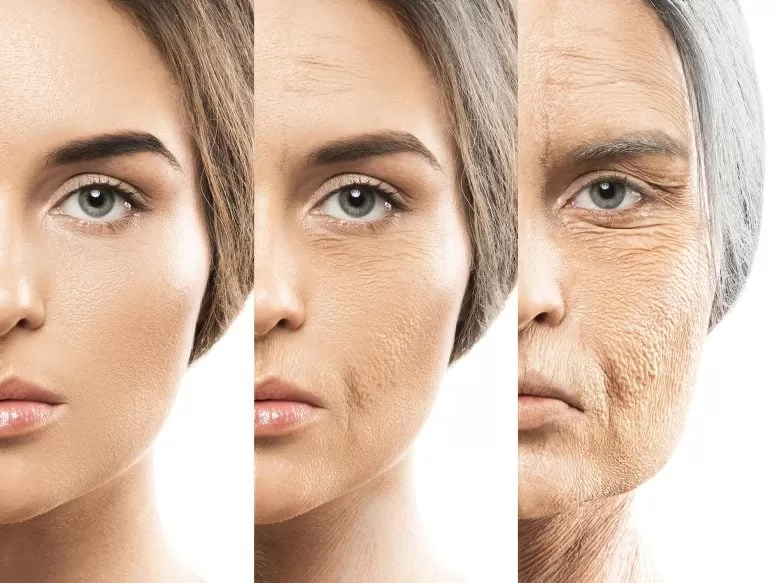
Aging is a universal process, but the quality and pace of aging can vary dramatically among individuals. A recent study by the Leonard Davis School of Gerontology at the University of Southern California (USC) reveals a stark divide in how education influences the biological aging process in Americans. The research shows that those with higher education levels, especially college degrees, age biologically slower compared to individuals with less schooling, and this gap has nearly doubled over the past 30 years. This finding underscores the significant role of education not only as a social determinant but also as a critical factor in health outcomes and longevity.
What the Study Found
The study, published in the journal Demography, examined adults aged 50 to 79 during two periods—late 1980s to early 1990s and again from 2015 to 2018. It compared biological age, a measure of how well or poorly the body ages internally, rather than just chronological age, which counts the years since birth. Biological age is assessed based on markers such as blood pressure, kidney function, cholesterol levels, inflammation, and other physiological indicators that reflect organ health and vulnerability to disease.
Results showed that while all groups improved in terms of biological aging—likely due to advances in healthcare and lifestyle changes—the extent of improvement was much greater for those with college degrees than for those with only a high school education or less. In the early years studied, the difference in biological age between the lowest and highest educated was about one year, but by recent years, it had widened to nearly two years.
Eileen Crimmins, the study’s senior author and a USC University Professor, emphasized the importance of biological age as a clearer indicator of health than simply counting age by years. She noted that understanding biological age helps predict who is likely to stay healthier longer and who faces higher risks of illness and disability.
Why Education Matters
Education fundamentally shapes the trajectory of a person’s life. It influences employment opportunities, income levels, living environments, and access to healthcare providers. It also correlates with health behaviors; for example, individuals with more education tend to smoke less and engage more in physical activity.
Mateo Farina, an assistant professor at the University of Texas at Austin and co-author of the study, pointed out that despite attempts to account for lifestyle factors such as smoking, obesity, and medication use, education itself remained the primary driver behind the widening gap in biological aging.
“Education shapes opportunities and risks throughout life,” Crimmins explained. “It’s a powerful social determinant of health, and it is leaving a mark on how fast or slow our bodies age.”
Public Health Implications
The widening gap in aging based on education has profound implications for public health and social policy. Those with less education are not only at risk of dying sooner but also face spending more years with disease and disability. This disparity places additional burdens on families, communities, and healthcare systems.
As Farina highlights, this issue extends beyond individual choices and genetic factors—it is a societal issue requiring public health investment in education. Addressing educational disparities could be a key strategy for reducing health inequalities and promoting healthier aging for all.
Furthermore, rising obesity rates across all education groups threaten to diminish the gains made in biological aging. Advances in medical treatments and technology could improve health outcomes, but unequal access may further widen the divide, benefiting primarily more educated and wealthier populations.
Balancing Perspectives and Limitations
While the study robustly links education to differences in biological aging, it is important to consider that education interacts with many complex social, environmental, and economic factors. The study’s scope focuses on the U.S., and findings may vary in different cultural or socioeconomic contexts.
Additionally, biological age is a comprehensive but still evolving measure. There is no single definition or gold standard, and researchers continue to refine how best to quantify aging processes.
What This Means for Readers
This research underscores the broader impact of education on health and longevity. For individuals, it highlights the importance of lifelong learning and healthy behaviors connected to educational and socioeconomic status. For policymakers and healthcare providers, it calls for integrated approaches that address social determinants, including education and access to resources, as part of strategies to support healthy aging.
Medical Disclaimer
This article is for informational purposes only and should not be considered medical advice. Always consult with qualified healthcare professionals before making any health-related decisions or changes to your treatment plan. The information presented here is based on current research and expert opinions, which may evolve as new evidence emerges.
References
-
Farina, M., Crimmins, E. et al. (2025). Study on education and biological aging differences in U.S. adults aged 50–79 across three decades. Demography.
-
Interview: Eileen Crimmins, University Professor, Leonard Davis School of Gerontology, USC.
-
Interview: Mateo Farina, Assistant Professor, University of Texas at Austin.
-
Statistical context on biological age markers: USC Leonard Davis School of Gerontology.
-
General population health trends: U.S. Centers for Disease Control and Prevention (CDC).
This comprehensive reporting offers insight for both healthcare professionals and health-conscious readers, emphasizing education’s critical role in shaping healthier, longer lives.