 0
0
 0
0
The Democratic Republic of Congo (DRC) is grappling with a new outbreak of Ebola virus disease (EVD), as confirmed by the World Health Organization (WHO) in September 2025. Since the outbreak was declared on September 4 in the Kasai Province’s Bulape health zone, 48 confirmed and probable Ebola cases have been reported, with 31 deaths, marking the region’s first Ebola outbreak in three years. This latest resurgence of Ebola highlights ongoing challenges in controlling viral hemorrhagic fevers in equatorial Africa and traces a path for urgent public health responses.
Key Findings and Developments
The outbreak originated from a pregnant woman who presented symptoms including high fever, bloody diarrhea, and severe weakness on August 20, 2025, at Bulape General Reference Hospital, and passed away five days later due to multiple organ failure. Laboratory confirmation was obtained through Polymerase Chain Reaction (PCR) and GeneXpert assays, identifying Ebola Zaire virus as the causative agent. The outbreak has spread beyond two districts into four health zones in Kasai, affecting approximately 3.5 million residents.
According to WHO, the case fatality ratio stands at an alarming 65% (31 deaths out of 48 cases), echoing Ebola’s high lethality, with four healthcare workers among the fatalities, which underscores risks to frontline responders. Meanwhile, over 900 contacts have been traced and are under active surveillance to interrupt further transmission.
The DRC faces its 16th Ebola outbreak since the disease was first identified there in 1976, with prior Kasai outbreaks reported in 2007 and 2008–2009. The 2022 outbreak in North Kivu province was the most recent prior flare-up.
Expert Commentary
Dr. Tedros Adhanom Ghebreyesus, WHO’s Director-General, praised the DRC’s ongoing leadership and capacity in mounting a swift response, attributing progress to years of investment in outbreak preparedness and control infrastructure. He emphasized that WHO and partners have deployed over 14 tons of critical medical supplies and 48 specialists to support clinical care, infection prevention, and surveillance.
Dr. Patrick Otim of WHO Africa highlighted that vaccination campaigns have started, protecting more than 500 healthcare workers and contacts using the Ervebo vaccine and monoclonal antibody Mab114 treatment. While vaccine rollout faces logistical challenges due to limited cold storage and transport infrastructure, additional vaccine doses are en route to Kasai to extend immunization efforts.
Context and Background
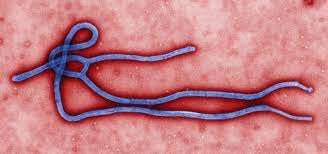
Ebola virus disease is a severe viral hemorrhagic fever caused by a virus in the Filoviridae family, with fruit bats considered natural hosts. The virus transmits to humans through contact with bodily fluids of infected animals or people, with human-to-human spread occurring via direct contact with contaminated fluids or surfaces. Symptoms range from fever and muscle pain to severe bleeding and organ failure, frequently resulting in death.
The scale of this outbreak is small compared to the catastrophic 2014–2016 West Africa epidemic that claimed over 11,000 lives, but the high fatality rate maintains a significant public health threat. Outbreak responses in DRC have improved since that epidemic due to strengthened surveillance, rapid diagnostics, community engagement, and availability of vaccines and experimental therapies.
Implications for Public Health
The rapid identification of cases, contact tracing, and establishment of an Ebola treatment center with 34 beds in Bulape are expected to help contain the outbreak. Vaccination of high-risk populations and frontline workers is critical in protecting healthcare capacity and limiting spread.
However, logistical hurdles due to remote geography and limited healthcare infrastructure pose ongoing challenges. The current outbreak’s spread from two to four districts within weeks signals the need for continuing vigilance, rapid resource allocation, and community trust-building to encourage early case reporting and adherence to preventive measures such as safe burials.
Counterarguments and Limitations
While medical interventions have advanced considerably, Ebola remains difficult to control in areas with social disruption, conflict, or mistrust toward health workers. Additionally, vaccines require cold chain logistics that are not always feasible in remote regions. The virus’s ability to persist in the bodies of survivors poses a risk of flare-ups beyond initial containment efforts. More research is needed into long-term sequelae and viral persistence mechanisms.
Practical Advice for Readers
For those in or traveling to affected regions, vigilance for symptoms such as fever, diarrhea, vomiting, and unexplained bleeding is crucial. Avoid contact with bodily fluids of suspected patients, practice hand hygiene, and adhere to public health guidance on safe burial practices. Healthcare workers should employ personal protective equipment diligently and follow infection control protocols.
Globally, this outbreak reaffirms the importance of sustained investment in epidemic preparedness and the need for rapid international cooperation to mitigate emerging infectious diseases.
Medical Disclaimer: This article is for informational purposes only and should not be considered medical advice. Always consult with qualified healthcare professionals before making any health-related decisions or changes to your treatment plan. The information presented here is based on current research and expert opinions, which may evolve as new evidence emerges.
References
-
World Health Organization. (2025, September 4). Ebola virus disease – Democratic Republic of the Congo. WHO Disease Outbreak News. https://www.who.int/emergencies/disease-outbreak-news/item/2025-DON580