 0
0
 0
0
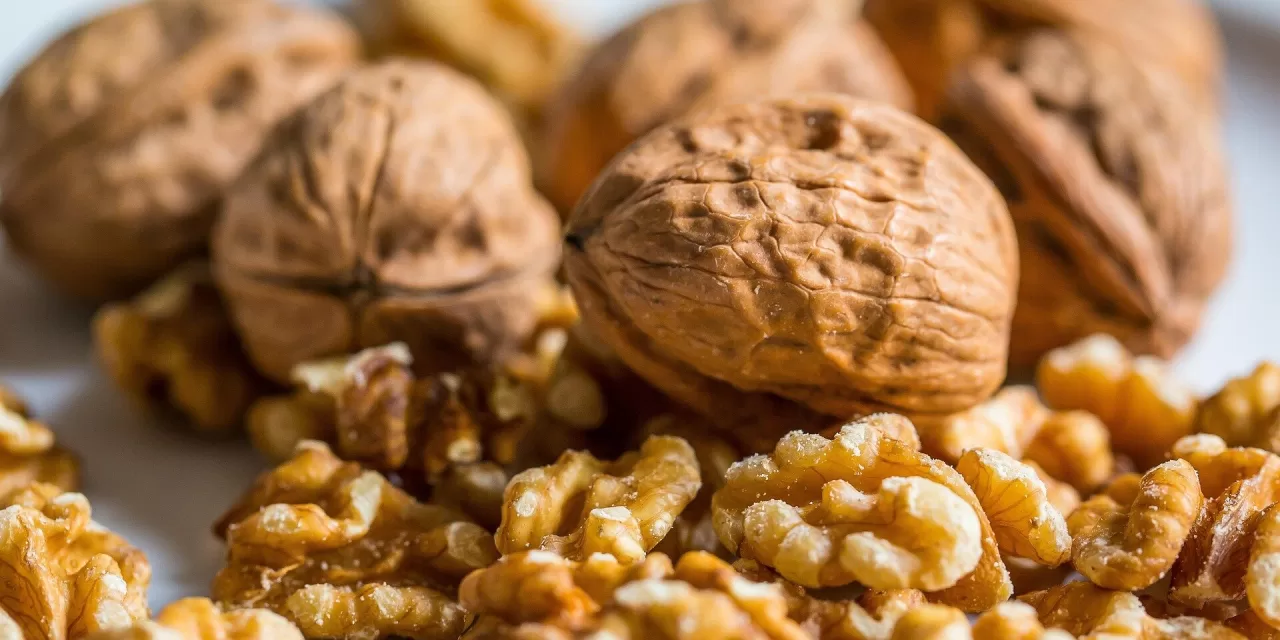
April 29, 2025 – Recent scientific studies have unveiled promising evidence that incorporating walnuts into your diet could significantly reduce the risk of developing certain types of cancer. This breakthrough adds to the growing body of research highlighting the health benefits of nuts, particularly walnuts, known for their rich nutrient profile.
The Science Behind Walnuts and Cancer Prevention
Researchers have found that walnuts are packed with bioactive compounds, including antioxidants, polyphenols, and omega-3 fatty acids, which may play a crucial role in cancer prevention. These compounds help reduce inflammation, protect cells from oxidative damage, and may inhibit the growth of cancerous cells.
In controlled laboratory studies, extracts from walnuts have demonstrated the ability to slow down the proliferation of cancer cells, particularly in breast and prostate cancers. Additionally, animal studies suggest that diets enriched with walnuts can reduce tumor growth and improve survival rates.
What Makes Walnuts Special?
Unlike many other nuts, walnuts contain high levels of alpha-linolenic acid (ALA), a plant-based omega-3 fatty acid, which has been linked to anti-cancer properties. Moreover, walnuts are rich in ellagitannins, which are metabolized by gut bacteria into compounds that may help suppress cancer cell growth.
Nutritionists emphasize that walnuts also provide essential vitamins and minerals, such as vitamin E, magnesium, and selenium, all of which contribute to overall cellular health and immune function.
Practical Implications for Your Diet
Incorporating a handful of walnuts daily-about 1 to 1.5 ounces-could be a simple, natural strategy to potentially lower cancer risk. Experts recommend consuming them raw or lightly toasted without added salt or sugar to maximize health benefits.
However, walnuts should be part of a balanced diet rich in fruits, vegetables, whole grains, and lean proteins. Lifestyle factors such as regular exercise, avoiding tobacco, and limiting alcohol consumption remain critical in cancer prevention.
Expert Opinions
Dr. Anjali Mehta, a leading oncologist, commented, “While walnuts are not a cure-all, their unique nutrient composition makes them a valuable addition to a cancer-preventive diet. Ongoing research continues to clarify how these nuts interact with cellular mechanisms involved in cancer.”
Looking Ahead
Scientists are planning further clinical trials to better understand the precise impact of walnuts on human cancer risk and to determine optimal consumption levels. Until then, walnuts remain a tasty, nutritious option that supports overall health.
Disclaimer
This article is for informational purposes only and does not constitute medical advice. While studies suggest that walnuts may help reduce cancer risk, they should not replace professional medical treatment or screening. Consult your healthcare provider before making significant changes to your diet or health regimen.
If you want, I can also help you with a shorter summary or a social media post based on this article!
Citations: