 0
0
 0
0
Published: March 4, 2026
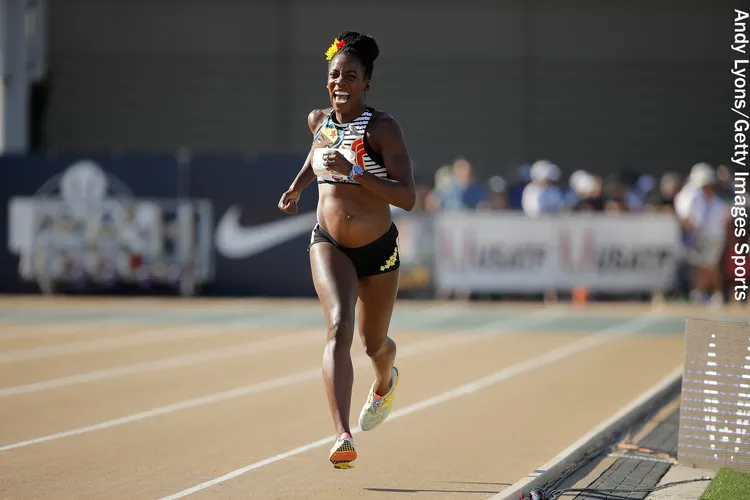
For decades, expectant mothers were often told to “take it easy.” However, a massive new study is flipping that narrative on its head, suggesting that a mother’s physical activity—even before she conceives—could provide a significant developmental “head start” for her child.
The research, published March 3 in JAMA Network Open, found that children born to physically active mothers showed significantly enhanced neurodevelopmental outcomes, particularly in motor skills, between the ages of 6 months and one year. Analyzing over 38,000 mother-child pairs from the Japan Environment and Children’s Study (JECS), researchers discovered that the benefits of exercise extend far beyond maternal fitness, potentially shaping the way an infant interacts with the world.
The Power of Movement: Key Findings
The study utilized the International Physical Activity Questionnaire (IPAQ) to categorize maternal activity levels and the Ages and Stages Questionnaires (ASQ-3) to track child development. The results revealed a striking correlation between a mother’s “metabolic equivalent minutes” and her child’s ability to reach physical milestones.
Prepregnancy Activity: Women who maintained a high level of physical activity before becoming pregnant saw the broadest range of benefits for their infants. At 6 months of age, these children had:
-
37% higher odds of advanced gross motor skills (large movements like sitting up or rolling).
-
32% higher odds of enhanced fine motor skills (small movements like grasping objects).
-
61% higher odds of advanced communication skills.
Midpregnancy Activity:
Exercise during the second trimester (16–27 weeks) also yielded impressive results. Most notably, infants in this group showed 60% higher odds of advanced fine motor development at the 6-month mark.
“These findings suggest that the intrauterine environment is highly sensitive to maternal lifestyle,” says Dr. Sarah Jenkins, a prenatal specialist at the Global Health Institute, who was not involved in the study. “We aren’t just talking about birth weight anymore; we are talking about the foundational wiring of the nervous system.”
Beyond the Baby: Maternal and Birth Benefits
The researchers, led by Dr. Io Kumasaka and Dr. Chiharu Ota of Tohoku University, also noted that active mothers experienced fewer complications. Higher levels of midpregnancy activity were associated with a significant reduction in:
-
Preterm Births: Only 3.3% in the high-activity group compared to 5.5% in the sedentary group.
-
Low Birth Weight: 7.3% in the high-activity group versus 8.8% in the sedentary group.
By reducing these risks, exercise indirectly supports neurodevelopment, as full-term infants generally have more time for critical brain growth in the womb.
Understanding the “Why”
While the study proves a strong association, the exact biological mechanism remains a subject of intense investigation. Scientists hypothesize that maternal exercise increases the flow of oxygen and nutrients to the placenta. It may also trigger the release of “myokines”—proteins produced by muscular contraction—that can cross the placental barrier and stimulate the expression of brain-derived neurotrophic factor (BDNF) in the fetus. BDNF acts like “brain fertilizer,” supporting the survival of existing neurons and encouraging the growth of new ones.
Limitations and the “Fade-Out” Effect
Despite the glowing results at 6 months and one year, the study noted a “fade-out” effect as the children aged. By age three, the developmental gap between children of active and sedentary mothers narrowed significantly. Only “problem-solving” skills remained slightly higher (16% higher odds) in the children of mothers who were active before pregnancy.
“This doesn’t mean the early benefits vanish,” explains Dr. Jenkins. “It more likely reflects the growing influence of the child’s own environment—their nutrition, their own play habits, and their social interactions—which eventually overtake the influence of the womb.”
Furthermore, the study relied on self-reported data, which can sometimes be imprecise. There is also the “healthy user bias” to consider: mothers who exercise may also be more likely to provide a stimulating environment for their children after birth, potentially skewing the results.
What This Means for You
For women planning a pregnancy or currently expecting, the message is clear: consistency matters.
-
Start Early: If you are planning to conceive, establishing a fitness routine now may provide the most comprehensive benefits for your future child’s communication and motor skills.
-
Keep Moving: If you are already pregnant, moderate activity—such as brisk walking, swimming, or prenatal yoga—during the second trimester is linked to sharp improvements in your baby’s fine motor skills and problem-solving abilities.
-
Consult Your Doctor: While the study highlights the benefits of high activity, every pregnancy is unique. Always discuss your exercise plans with your obstetrician, especially if you have underlying conditions or a history of complications.
“The goal isn’t to train for a marathon,” says Dr. Ota, one of the study’s lead authors. “It’s about moving away from a sedentary lifestyle to support both the mother’s health and the child’s early developmental trajectory.”
Would you like me to look into specific prenatal exercise guidelines recommended by the American College of Obstetricians and Gynecologists (ACOG)?
Medical Disclaimer: This article is for informational purposes only and should not be considered medical advice. Always consult with qualified healthcare professionals before making any health-related decisions or changes to your treatment plan. The information presented here is based on current research and expert opinions, which may evolve as new evidence emerges.
References
- https://www.medscape.com/viewarticle/maternal-physical-activity-before-and-during-pregnancy-2026a10006ks