 0
0
 0
0
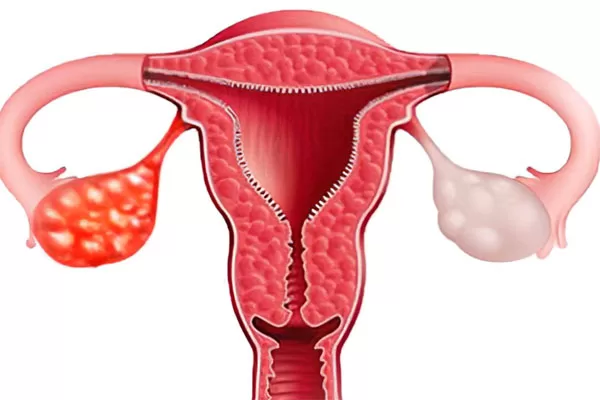
A major new study has found that women who undergo hysterectomy before age 50 face a significantly higher risk of developing cardiovascular disease (CVD), even when hormone therapy is used. The research, published in the journal Obstetrics & Gynecology, analyzed data from nearly 240,000 women and raises important questions about the long-term health effects of early hysterectomy.
Study Details
The study, led by Dr. Viengneesee Thao from the Mayo Clinic, drew on data from the Nurses’ Health Study (NHS) and NHS II, following 239,907 women for an average of 34 years. Researchers examined the incidence of fatal and nonfatal heart attacks, coronary interventions, and strokes in women who had undergone hysterectomy (removal of the uterus), with or without oophorectomy (removal of the ovaries), compared to those who had not had the surgery.
Key Findings
-
Increased Risk Before Age 50: Women who had a hysterectomy before age 50 had a higher risk of cardiovascular disease than those who did not have the surgery.
-
Highest Risk in Younger Women: Those who underwent hysterectomy before age 46 and did not use estrogen had a 21% increased risk for CVD compared to women who did not have the surgery (Hazard Ratio [HR] 1.21; 95% Confidence Interval [CI], 1.04-1.40).
-
Estrogen Use Not Fully Protective: Even among women who used estrogen after hysterectomy and oophorectomy, the risk of CVD remained elevated, particularly for those under 50.
-
Persistent Risk Across Groups: Non-estrogen users who had both hysterectomy and oophorectomy in all age groups (except those over 60) also faced higher CVD risk compared to women without surgery.
Clinical Implications
The authors emphasized that “younger age at time of hysterectomy, with or without oophorectomy, is associated with higher risk of CVD.” They also noted that estrogen therapy does not appear to fully mitigate the increased risk when surgery is performed before age 50.
Study Limitations
The researchers acknowledged several limitations, including differences in the age and follow-up time between the NHS and NHS II cohorts, and the lack of detailed data on the timing and specifics of hormone therapy. Additionally, surgical and menopausal management practices have evolved since the original NHS cohort was enrolled, which may affect the applicability of the findings to current practice.
Disclosures
Several authors reported financial relationships with pharmaceutical companies and other potential conflicts of interest, which are detailed in the original publication.
Disclaimer:
This article summarizes findings from a published medical study and is intended for informational purposes only. It does not constitute medical advice. Individuals considering or having undergone hysterectomy should consult their healthcare provider for personalized recommendations and risk assessment. For more details, refer to the original study and consult a qualified medical professional.
Citations: