 0
0
 0
0
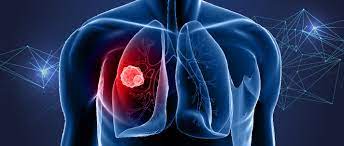
New Delhi, Sep 13: Lung cancer remains one of the most common and deadliest cancers globally, and in India, it contributes significantly to cancer-related deaths. Despite advances in treatment, survival rates remain low primarily because most patients seek medical care only when the disease has reached advanced stages. Experts emphasize that early detection through screening and increased public awareness is vital to improving lung cancer outcomes and survival.
Silent Beginnings and Diagnostic Challenges
Lung cancer often starts silently, with small tumors causing no noticeable symptoms. Early signs, such as occasional cough or mild chest discomfort, are usually mistaken for minor respiratory ailments. Typically, severe symptoms like blood in sputum, persistent cough, unexplained weight loss, and difficulty breathing emerge only when the cancer progresses to advanced stages, limiting treatment options. This symptom silence contributes to delayed diagnosis, which is linked to poorer prognosis.
A substantial barrier to early detection is low awareness about the importance and availability of screening, especially among high-risk groups such as chronic smokers and those exposed to environmental toxins. Many early-stage tumors are detected incidentally during imaging conducted for unrelated conditions, underscoring the underutilization of organized screening programs.
The Role of Low-Dose CT Screening
Low-dose computed tomography (LDCT) scans have revolutionized lung cancer screening by allowing the identification of small, early-stage tumors while exposing patients to minimal radiation. The National Lung Screening Trial (NLST) and subsequent studies demonstrated that LDCT screening in high-risk populations can reduce lung cancer mortality by about 20%. Screening identifies cancers before symptoms develop when they are more amenable to treatments like surgery, leading to significantly better survival rates.
According to current guidelines, LDCT screening is recommended primarily for individuals aged 50 to 80 years with a history of heavy smoking (typically those with 20 pack-years or more), former smokers who have quit within the past 15 years, and others with strong risk factors such as family history of lung cancer or occupational exposure to carcinogens.
Advanced Treatment Modalities for Late Diagnosis
When diagnosed at advanced stages, lung cancer necessitates more complex treatment regimens. Surgery, which can be curative in early stages, is often not an option. Instead, patients may undergo surgical debulking to relieve symptoms, minimally invasive thoracic surgeries like video-assisted thoracoscopic procedures (VATS), bronchoscopic interventions such as stent insertion or mechanical tumor removal, along with systemic therapies.
Targeted therapies, which act on specific genetic mutations in cancer cells, and immunotherapies that boost the body’s immune response, have significantly improved outcomes in recent years. Nevertheless, these treatments are more effective when the tumor burden is lower, reinforcing the value of early diagnosis.
Survival Statistics and Public Health Implications
Data from cancer registries indicate that the five-year survival rate for localized lung cancer is approximately 65%, whereas survival drops dramatically to under 10% when diagnosed at distant metastatic stages. In India, lung cancer awareness remains low, particularly in rural areas, with many patients presenting late, thus missing the window for curative treatment.
Public health campaigns focused on increasing lung cancer awareness, especially around risk factors like smoking and environmental exposures, along with accessible screening programs, can improve early diagnosis rates. Early detection not only enhances survival chances but also reduces the intensity and cost of treatment, as less invasive therapies are feasible.
Expert Perspectives
Dr. Radhika Menon, a thoracic oncologist not involved in the cited research, emphasizes, “Early detection of lung cancer is a game-changer. Many patients who are diagnosed early can be cured or live longer with a better quality of life. It is crucial that high-risk individuals understand the significance of screening and seek regular check-ups even if they feel well.”
Limitations and Balanced View
While LDCT screening offers promise, it is not without challenges, including false positives, overdiagnosis, and the potential for unnecessary invasive procedures. Regular screening is also resource-intensive and requires trained personnel and infrastructure, which can limit widespread application in low-resource settings. Hence, risk-based screening and ongoing education remain critical to optimizing benefits.
Conclusion
Lung cancer remains a formidable health challenge due to its silent onset and frequent late diagnosis. Early detection through public awareness, routine risk evaluation, and low-dose CT screening in high-risk groups can transform treatment outcomes, reduce mortality, and improve quality of life. Health authorities and clinicians must prioritize accessible screening programs and education to achieve measurable progress against this deadly disease.
Medical Disclaimer: This article is for informational purposes only and should not be considered medical advice. Always consult with qualified healthcare professionals before making any health-related decisions or changes to your treatment plan. The information presented here is based on current research and expert opinions, which may evolve as new evidence emerges.
References:
- https://www.daijiworld.com/news/newsDisplay?newsID=1292146