 0
0
 0
0
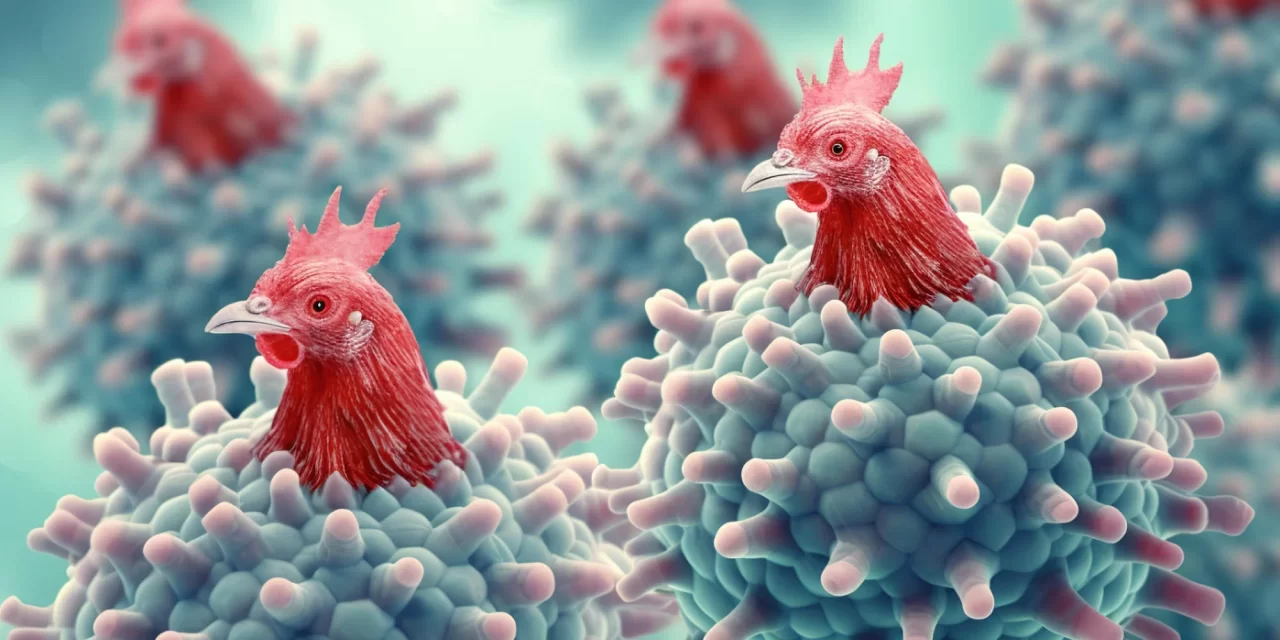
Europe and North America are grappling with an unprecedented early wave of highly pathogenic avian influenza (HPAI), primarily the H5N1 strain, detected in wild birds and poultry farms as of late November 2025. This surge, which began in early September—months ahead of typical autumn peaks—has led to thousands of cases in wild birds and over 100 outbreaks in U.S. poultry operations, raising fears of mass cullings, food price disruptions, and potential spillover risks to humans and mammals. Health authorities like the European Food Safety Authority (EFSA) and the U.S. Department of Agriculture (USDA) urge enhanced surveillance and biosecurity to curb spread.
Surge in Wild Bird and Poultry Cases
Between early September and mid-November 2025, EFSA recorded 1,443 HPAI A(H5) detections in wild birds across 26 European countries, a fourfold increase over the same period in 2024 and the highest since 2016. Common cranes, migrating earlier than usual waterfowl like ducks and geese, have driven much of the spread from northeastern to southwestern Europe, with severe die-offs in Germany and France. Germany alone reports its worst outbreak wave in three years, while France elevated poultry sector alerts in October, well before prior seasons.
In the United States, 107 outbreaks struck poultry by November 18, nearly quadruple last year’s total at this stage, with Minnesota—top turkey producer—confirming cases two months earlier than in 2022. States like Wisconsin, Michigan, and others along migration flyways bear the brunt, as wild birds introduce the virus to farms. The Pan American Health Organization (PAHO) notes 5,136 animal outbreaks across 19 Americas countries since 2022, with 508 in birds this year alone, mainly U.S. and Canada. Asia sees milder activity, except Cambodia’s severe outbreaks, while Japan culled 1.65 million birds after its first case on October 22.
Expert Insights on Drivers and Responses
“It’s certainly more than we’ve seen over the last few winter-fall migratory bird seasons,” stated Tim Boring, director of Michigan’s Department of Agriculture and Rural Development, highlighting the atypical early intensity in turkey-heavy states. EFSA’s Marion Salvat points to cranes as key vectors, urging carcass removal and strict biosecurity on farms to break transmission chains. U.S. experts echo this, with CDC emphasizing that H5N1 remains widespread in wild birds globally, fueling poultry and dairy cow outbreaks.
Authorities respond with indoor confinement for poultry in places like Belgium and France, alongside rapid culling—such as Slovakia’s recent farm outbreak. EFSA calls for intensified wild bird surveillance, as the new A(H5N1) variant dominates, linked to major waterfowl and crane mortalities. In the U.S., USDA tracks detections in commercial and backyard flocks, stressing biosecurity to protect against this largest outbreak in history, affecting over 168 million birds since 2022.
Dr. Angela Rasmussen, a virologist at the University of Saskatchewan not involved in these reports, notes, “The shift to earlier migrations and northern flyway hotspots signals possible viral adaptations or climate influences on bird patterns, but robust farm protections remain our best defense.” (Paraphrased from ongoing expert commentary in avian flu tracking.)
Human Health Risks Remain Low but Monitored
No sustained human-to-human transmission occurs with current H5N1 strains, per CDC and WHO, though sporadic zoonotic cases arise from close contact with infected birds or mammals. Globally, 986 human H5N1 cases reported since 2003 yield a 48% fatality rate, but U.S. figures stand at 71 since 2024—mostly mild in dairy and poultry workers—with one death in Louisiana. PAHO logs 75 Americas cases since 2022 (two deaths), including three U.S. and one Mexican in 2025.
CDC rates general public risk low, elevated for exposed workers, with moderate pandemic potential if mammalian adaptation boosts transmissibility—though no evidence yet. Experts worry undetected mild cases could mask evolution, prompting vaccine trials like FDA-fast-tracked ARCT-2304. “Vigilance in testing high-risk groups prevents surprises,” says Dr. Michael Osterholm of CIDRAP, cautioning against surveillance lapses amid staff changes at USDA.
Public Health Implications and Precautions
This surge threatens poultry supplies, echoing past culls that spiked prices, while dairy cow infections add economic strain. Consumers face no cooked poultry or pasteurized dairy risk, but raw milk and undercooked products pose threats—avoid backyard flocks or wild bird contact. Public health bodies recommend hand hygiene, avoiding sick animal proximity, and reporting die-offs.
For farmers, enhanced biosecurity—cleaning equipment, limiting visitors, and vaccinating where approved—cuts farm risks by up to 90% in trials. Globally, clade 2.3.4.4b dominates since 2021, adaptable across species, underscoring One Health approaches linking animal, human, and environmental surveillance.
Limitations and Balanced Outlook
Data relies on reported detections, potentially undercounting silent spread; varying surveillance intensities across regions complicate comparisons. No evidence links this wave to heightened human risk beyond occupational exposure, countering alarmist views—past surges resolved without pandemics. Climate-driven migration shifts or immunity gaps in birds may fuel intensity, but vaccines and protocols evolve. Ongoing monitoring by WHO, CDC, and EFSA ensures adaptive responses.
Medical Disclaimer: This article is for informational purposes only and should not be considered medical advice. Always consult with qualified healthcare professionals before making any health-related decisions or changes to your treatment plan. The information presented here is based on current research and expert opinions, which may evolve as new evidence emerges.
References
-
Reuters. “Europe, North America face early wave of bird flu cases.” November 28, 2025. https://www.reuters.com/business/healthcare-pharmaceuticals/europe-north-america-face-early-wave-bird-flu-cases-2025-11-28/reuters