 0
0
 0
0
AMSTERDAM — Health authorities and veterinary experts in the Netherlands have issued urgent warnings following a rapid surge in Highly Pathogenic Avian Influenza (HPAI) outbreaks across the country. In a decisive move late last month, the national Expert Group on Animal Diseases (Deskundigengroep Dierziekten) elevated the risk assessment for bird flu from “moderate” to “very high,” signaling a critical phase in the battle to contain the H5N1 virus. The escalation comes as dozens of commercial poultry farms report infections, necessitating the culling of hundreds of thousands of birds and triggering strict confinement measures nationwide.
A rapid Escalation in Late 2025
The final quarter of 2025 has proven devastating for the Dutch poultry sector. After a relatively quiet summer, the virus has returned with renewed ferocity. According to reports from Wageningen Bioveterinary Research (WBVR), the designated national reference laboratory, confirmed cases have multiplied rapidly since October.
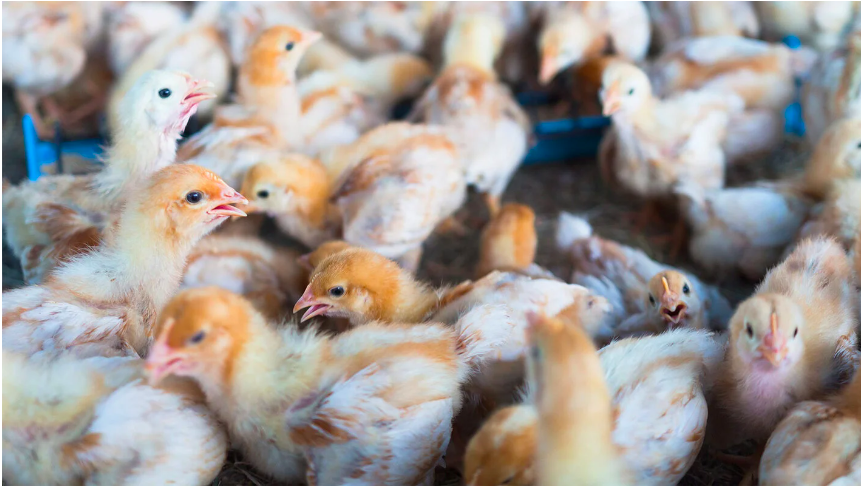
In the first week of December alone, multiple outbreaks were confirmed in the provinces of Gelderland and Drenthe. Notable cases include a duck farm in Hierden where 10,000 birds were infected, and a large layer farm in Helden necessitating the culling of 85,000 hens. These incidents are not isolated; they follow a grim November tally that saw outbreaks in Tienray (185,000 broilers), Drogeham (117,000 layers), and several other locations.
“The speed at which new cases are emerging is alarming,” stated a spokesperson for the Dutch Food and Consumer Product Safety Authority (NVWA). “We are seeing a pattern where the virus is bridging the gap between wild populations and commercial flocks with increasing frequency.”
Expert Group Concerns: Why This Wave is Different
The “Expert Group on Animal Diseases,” a body comprising leading virologists, epidemiologists, and veterinary officials, meets regularly to assess viral threats. Their recent decision to raise the risk level was driven by specific, worrying data points.
Unlike previous years where outbreaks were often sporadic or clearly linked to migration patterns, the current wave shows a “high prevalence” of the virus in local wild bird populations, particularly among waterfowl and ducklings. This widespread presence in the environment creates a constant “viral pressure” on poultry farms, making even minor biosecurity breaches potentially catastrophic.
“The virus is maintaining itself in the wild bird population at levels that make containment extremely difficult,” noted Dr. Pieter Van Dam, a veterinary epidemiologist not directly involved with the government group but familiar with the data. “When you have high viral loads in the environment—in canals, ditches, and fields surrounding farms—the barrier between the outside world and the sterile farm environment becomes incredibly fragile.”
The Wild Bird Reservoir
A key factor in the Expert Group’s concern is the persistence of the virus in non-migratory wild birds. Recent surveillance by the Dutch Wildlife Health Centre (DWHC) confirmed H5N1 in varied species including Greylag geese, Barnacle geese, and even birds of prey like Buzzards.
The infection of resident wild birds means the threat does not dissipate when migratory season ends. It persists year-round, creating an endemic challenge for farmers. The Expert Group highlighted that the virus is causing significant mortality in these wild populations, a signal of its continued high pathogenicity.
Strict Measures and Industry Impact
In response to the elevated risk, the Dutch government has enforced a national “housing obligation.” This mandate requires all commercial poultry to be kept indoors to prevent contact with wild birds. While this is a standard protocol during outbreaks, the duration and frequency of these lockdowns are taking a toll on the industry.
“The impact goes beyond the immediate economic loss of the culled flocks,” explained Maria Jansen, an agricultural policy analyst. “Farmers are under immense psychological stress. The ‘free-range’ sector is particularly hit, as they cannot market their eggs or meat as free-range if the birds are confined for extended periods. It threatens the entire business model of sustainable, animal-friendly farming.”
Biosecurity protocols have been tightened to hospital-grade levels. Visitors are banned from most farms, and transport vehicles undergo rigorous disinfection. Despite these efforts, the virus continues to find its way in, likely via dust, pests, or clothing, underscoring the high infectiousness of the current H5N1 strain.
Public Health Implications
While the devastation to bird life is evident, public health officials are keen to address human safety. Avian influenza is a zoonosis, meaning it can jump from animals to humans, though such cases remain rare.
“The risk to the general public remains low,” assured Dr. Elena Rossi, a specialist in infectious diseases. “However, the more the virus circulates in animals, the more opportunities it has to mutate. That is why controlling the animal outbreak is a public health priority, not just an agricultural one.”
Authorities strictly advise the public to avoid contact with sick or dead birds. “If you see a dead duck or goose while walking your dog, do not touch it,” Rossi warned. “Report it to local authorities so it can be safely removed and tested.”
A European Crisis
The Netherlands is not facing this threat alone. Similar outbreaks have been reported in Germany, France, and the United Kingdom, suggesting a continent-wide resurgence of the virus. However, the Netherlands’ unique geography—water-rich and densely populated with both poultry farms and migratory birds—makes it a particular hotspot for transmission.
As 2025 draws to a close, the focus remains on vigilance. The Expert Group has indicated that the “very high” risk level will remain in place until a significant drop in wild bird infections is observed—a scenario that, for now, seems distant.
Medical Disclaimer
Medical Disclaimer: This article is for informational purposes only and should not be considered medical advice. Always consult with qualified healthcare professionals before making any health-related decisions or changes to your treatment plan. The information presented here is based on current research and expert opinions, which may evolve as new evidence emerges.
References
Primary Sources:
-
Wageningen Bioveterinary Research (WBVR). (2025). Bird flu at poultry farms, updates 2025/2026. Wageningen University & Research.