 0
0
 0
0
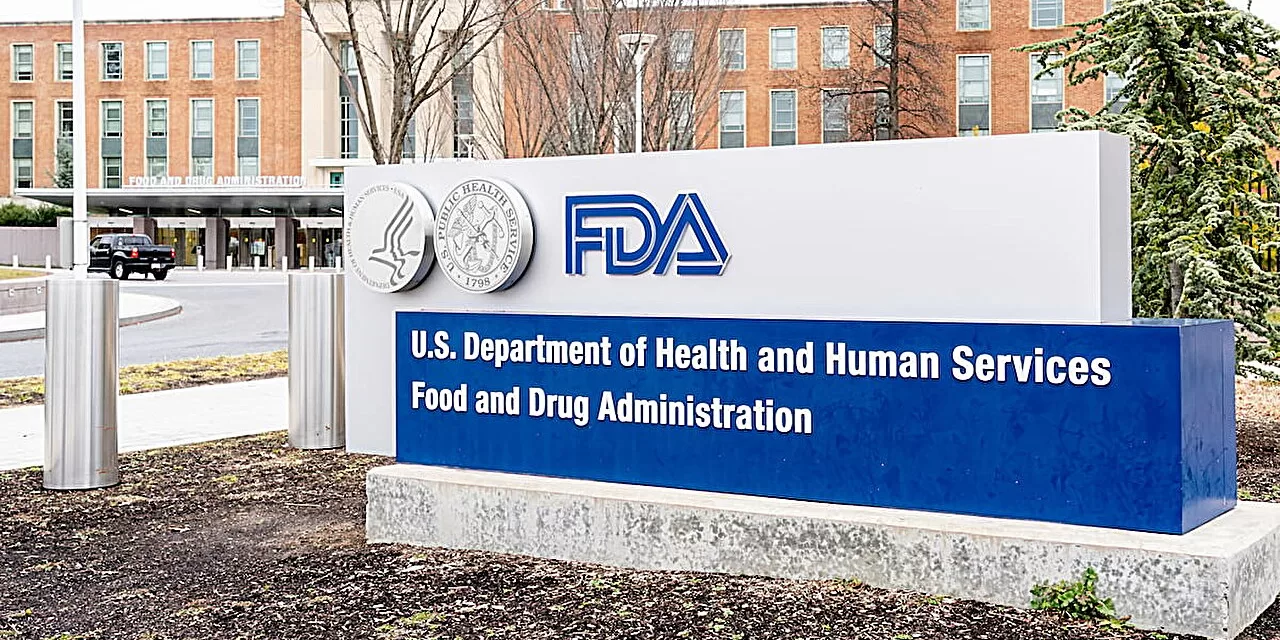
Major pharmaceutical companies are split on the Trump administration’s new Commissioner’s National Priority Voucher (CNPV) program, which promises drug approvals in just 1-2 months, as some hesitate over potential litigation risks from rushed safety assessments. Launched in mid-2025 by FDA Commissioner Marty Makary, the initiative targets drugs aligned with U.S. priorities like domestic manufacturing and affordability, but industry insiders at the January 2026 J.P. Morgan Healthcare Conference in San Francisco voiced private doubts about its scientific rigor and longevity.
Program Origins and Mechanics
The CNPV pilot, introduced in June 2025, slashes standard 10-12 month review times to 60 days maximum for select new drugs or biologics via non-transferable vouchers—up to five in the first year. Eligibility hinges on “national priorities” such as addressing public health crises, boosting U.S. production, lowering prices, or tackling high-prevalence diseases like chronic conditions. A senior multidisciplinary team, led by the Office of the Chief Medical and Scientific Officer, handles reviews with enhanced sponsor communication and rolling submissions, while upholding FDA’s safety and efficacy standards.
To date, the FDA has issued 18 vouchers, approving one—a long-available generic antibiotic—for domestic resurgence, while Lilly’s weight-loss drug awaits a decision after starting review in November 2025. Two others faced delays to four months after reviewers flagged safety issues, including a patient death linked to one candidate.
Diverging Industry Reactions
Over seven major drugmakers, including Regeneron and possibly Pfizer, have joined, drawn by faster market access for priority products. Eli Lilly research chief Dan Skovronsky praised it at J.P. Morgan, saying, “We’re enthusiastic about any initiative that accelerates access to medicines for patients,” stressing it prioritizes without cutting corners. McKinsey life sciences partner Greg Graves predicted growing buy-in if safety holds: “If a drug is impactful, safe, and effective… it will be difficult to reverse that momentum.”
Yet, others hold back. A top executive anonymously told Reuters their firm skips vouchers, doubting post-Trump survival and fearing court challenges to approvals. Six insiders noted worries that 60-day timelines lack time for full safety-efficacy scrutiny, potentially eroding FDA credibility.
Expert Warnings on Risks
Former FDA oncology chief Richard Pazdur, who left in December 2025, highlighted politicization under Makary, lack of transparency, and ignored reviewer concerns fueling voucher hesitancy. At conferences, companies asked Pazdur if opting out hurts chances; he assured the FDA would fast-track worthy drugs anyway. A Washington FDA lawyer warned vouchers could weaken labeling requirements, forcing firms to prove fuller risk disclosures in lawsuits if courts deem rushed reviews unreliable.
Broader critiques echo past accelerated approvals. A 2025 HHS Office of Inspector General report flagged flaws in three cases—like Biogen’s Aduhelm—where FDA bent rules despite reviewer doubts, risking unproven benefits. Harvard’s Aaron Kesselheim cautioned against vouchering early-stage drugs whose value is unproven.
Public Health Stakes
Faster approvals could speed treatments for urgent needs, aligning with Trump’s “America First” push to onshore manufacturing and cut costs—vouchers target high-burden diseases affecting millions. Patients might gain quicker access to innovations, like infertility drugs or diabetes therapies already vouchered. HHS insists decisions stay “evidence-driven science.”
But rushed processes heighten post-market harms. Academic studies link reviews under 180 days to more safety events; 60 days is unprecedented for complex therapies. Delays in two vouchers over safety flags, including a death, underscore real dangers. For consumers, this means weighing breakthrough speed against litigation-spurred higher drug prices or recalls if approvals falter in court. Healthcare pros must monitor real-world data post-launch, as with prior accelerated flops.
Limitations and Outlook
Critics question CNPV’s legal basis under existing FDA statutes, potential for political picks over science, and opaque meetings held in Makary’s office suite, excluding full staff. Only one approval so far suggests uptake hurdles; firms fear reversals under future admins. No data yet proves 60-day safety matches standards, and OIG-like probes loom if issues arise.
Industry watchers expect caution to ease if early successes build trust, but balanced oversight remains key to protect patients without stifling innovation.
Medical Disclaimer: This article is for informational purposes only and should not be considered medical advice. Always consult with qualified healthcare professionals before making any health-related decisions or changes to your treatment plan. The information presented here is based on current research and expert opinions, which may evolve as new evidence emerges.
References:
-
Josh Nathan-Kazis. “Some drugmakers quietly concerned about legal risk with speedy FDA review.” Reuters, January 16, 2026. https://www.reuters.com/legal/litigation/some-drugmakers-quietly-concerned-about-legal-risk-with-speedy-fda-review-2026-01-16/[reuters]