 0
0
 0
0
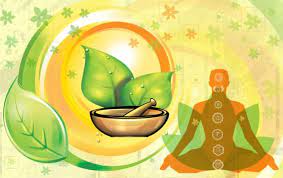
The Government of India is vigorously advancing the integration of traditional AYUSH systems—Ayurveda, Siddha, Unani, and Homeopathy—with modern medicine, reflecting a growing global trend supported by the World Health Organization (WHO). Since 2014, the Ministry of AYUSH has been implementing the National AYUSH Mission (NAM), a Centrally Sponsored Scheme that supports state and union territory governments in promoting and developing AYUSH systems across the country via various financial and infrastructural initiatives.
Key activities under the mission include the establishment and enhancement of AYUSH Health & Wellness Centers, now called Ayushman Arogya Mandir, co-location of AYUSH facilities within primary and community health centers as well as district hospitals, and upgrades to standalone AYUSH hospitals and dispensaries. The mission also funds the construction of new AYUSH dispensaries in underserved areas and supports setting up integrated AYUSH hospitals with 10 to 50 beds. Furthermore, it ensures the supply of essential AYUSH medications to government facilities and backs AYUSH public health programs and the establishment of new AYUSH colleges in states lacking such institutions.
India’s collaboration with WHO, including hosting the WHO Global Traditional Medicine Centre at Jamnagar, highlights the international recognition and support for integrating traditional and modern medicine. The Ministry of AYUSH has actively contributed to integrating AYUSH in global healthcare frameworks, including its inclusion in the International Classification of Diseases (ICD-11). Alongside, the ministry promotes international cooperation to boost AYUSH exports, establish academic chairs abroad, and facilitate training and symposia worldwide to raise awareness and acceptance of these traditional systems.
Research plays a pivotal role in this integration effort. Autonomous bodies under the ministry—Central Councils for Research in Ayurvedic Sciences, Unani Medicine, Homoeopathy, and Siddha—conduct extensive intramural and collaborative research, often partnering with prestigious Indian institutions such as AIIMS, NIMHANS, IITs, and others. Research focuses on evidence-based validation of AYUSH treatments’ safety and efficacy, with results published in peer-reviewed journals and disseminated via a central Ayush Research Portal.
Significant funding has been allocated for research institutions under AYUSH, with budget utilization near 100% for councils like CCRAS, CCRUM, CCRH, and CCRS over the past five years. Efforts to enhance research quality include obtaining national accreditations (NABH, NABL, BIS), upgrading facilities with state-of-the-art technology, expanding clinical research units, and preserving classical literature. Various schemes support education and capacity building for research among students and professionals.
Through these comprehensive initiatives—ranging from infrastructure development, clinical integration, academic promotion, international cooperation, and robust scientific research—the Ministry of AYUSH is strengthening the holistic integration of traditional medicine within India’s modern healthcare system and increasing its stature on the global stage.
Disclaimer: This article is based on information provided by the Ministry of AYUSH and reflects initiatives and data available as of August 8, 2025. The views presented do not constitute medical advice. Readers should consult healthcare professionals before making any health-related decisions.