 0
0
 0
0
KINSHASA, Democratic Republic of Congo — The Democratic Republic of Congo (DRC) is currently facing its most severe cholera outbreak in a quarter-century, a public health emergency that has already claimed nearly 2,000 lives since January 2025. In a grim announcement this week, the United Nations Children’s Fund (UNICEF) revealed that the waterborne disease has infected over 64,000 people across the nation, with children bearing a disproportionate and devastating burden of the crisis.
As of December 8, 2025, health authorities have recorded 64,427 cases and 1,888 deaths nationwide. The surge in infections has overwhelmed an already fragile healthcare system, driven by a convergence of armed conflict, climate-induced flooding, and a chronic lack of sanitation infrastructure.
A Crisis of Historic Proportions
The scale of the current outbreak has surpassed any seen in the DRC over the last 25 years. While cholera is endemic to parts of the country, particularly the eastern provinces, the disease has now spread to 17 of the nation’s 26 provinces, including the capital, Kinshasa.
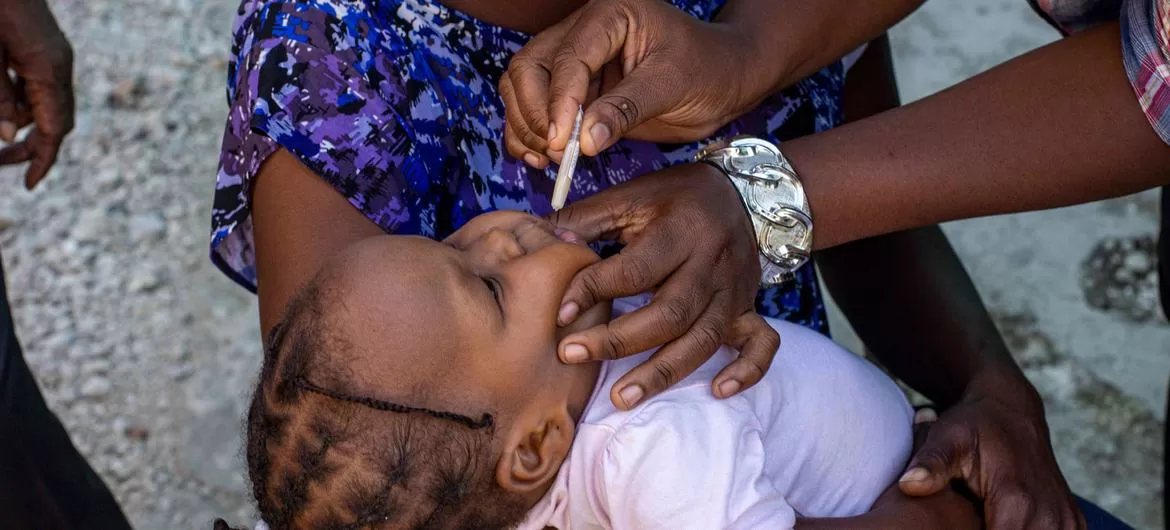
The human cost has been particularly high for the country’s youth. According to UNICEF, children account for 14,818 of the confirmed cases and 340 deaths. In one harrowing incident that underscores the lethality of this strain and the vulnerability of the population, the disease swept through an orphanage in Kinshasa, killing 16 of the 62 children residing there within just a few days.
“Congolese children should not be so gravely affected by what is a wholly preventable disease,” stated John Agbor, UNICEF’s Representative in the DRC. His sentiment reflects the frustration of the medical community: cholera is easily treatable with oral rehydration salts and preventable with clean water, yet it remains a deadly threat in the region.
The “Perfect Storm” of Causes
Experts point to a “perfect storm” of factors fueling this unprecedented surge. The primary driver is a severe lack of basic infrastructure. According to the 2024-2025 Demographic and Health Survey, only 43% of the DRC’s population has access to basic water services—the lowest rate in Africa—and merely 15% have access to basic sanitation.
This infrastructural deficit is compounded by two escalating crises:
-
Conflict and Displacement: Persistent violence in the eastern DRC has displaced millions, forcing families into overcrowded camps with poor hygiene, creating ideal breeding grounds for Vibrio cholerae, the bacteria that causes the disease.
-
Climate Instability: Heavy rains and subsequent flooding have damaged what little water infrastructure exists, contaminating drinking sources.
“The rapid spread of the epidemic across the country this year is of particular concern to us, especially during the rainy season,” noted Dr. Jean-Gilbert Ndong, a medical coordinator for Doctors Without Borders (MSF) in the DRC, in a statement earlier this year. “We fear further outbreaks if urgent measures are not taken.”
Implications for Public Health
The outbreak poses a significant threat not just to the DRC, but to regional health security. African health authorities have already noted a 30% increase in cholera cases across the continent, with surges reported in neighboring Angola and Burundi.
For the general public, this outbreak serves as a stark reminder of the critical importance of water, sanitation, and hygiene (WASH) protocols. Cholera spreads through the ingestion of food or water contaminated with fecal matter. In areas with compromised infrastructure, the rapid boiling or chlorination of water and rigorous handwashing are the only lines of defense.
“Cholera will not be solved from a medical perspective alone, but only through a multi-sectoral approach,” explained Professor Yap Boum, Deputy Head of Mpox at the Africa Centres for Disease Control and Prevention (Africa CDC), emphasizing that vaccines and treatment centers must be paired with long-term investments in clean water.
Response and Challenges
The Congolese government has launched the “River Congo Without Cholera” initiative and a national elimination plan with a budget of $192 million. However, international observers note that the plan remains severely underfunded.
UNICEF has issued an urgent appeal for international aid, warning that their rapid response mechanism faces a funding cliff in 2026. The agency is requesting an immediate injection of $6 million to sustain its operations, which include chlorinating water points and deploying rapid response teams to affected neighborhoods.
“The funding pipeline for 2026 looks very fragile, and without additional funds and coordinated action, many more lives could be lost,” Agbor warned.
Limitations and Looking Ahead
While response teams are working tirelessly, their efforts are hampered by logistical nightmares. Insecurity in conflict zones makes it nearly impossible for health workers to reach some remote villages. Furthermore, the sheer geographic spread of this outbreak—spanning from the eastern borderlands to the western capital—stretches resources thinner than ever before.
Health officials caution that without a massive investment in sanitation infrastructure, the DRC will remain trapped in a cycle of deadly outbreaks. For now, the focus remains on emergency containment: getting fluids to patients, chlorinating water, and trying to save the next child from a preventable death.
Medical Disclaimer: This article is for informational purposes only and should not be considered medical advice. Always consult with qualified healthcare professionals before making any health-related decisions or changes to your treatment plan. The information presented here is based on current research and expert opinions, which may evolve as new evidence emerges.
References
-
UNICEF. (2025, December 8). Democratic Republic of the Congo cholera outbreak is declared country’s worst in 25 years. UNICEF Press Release.
-
Reuters. (2025, December 8). Congo battles worst cholera outbreak in 25 years, UNICEF says.