 0
0
 0
0
Severe menstrual pain that many women dismiss as “normal” could signal a serious medical condition—endometriosis—which is increasingly diagnosed across India, affecting millions of women in their reproductive years. Medical experts warn that normalising period pain jeopardises early diagnosis and effective treatment, leading to worsened health outcomes and infertility risks. With growing awareness, healthcare professionals emphasize the urgent need for women to recognise symptoms, seek timely medical advice, and adopt preventive lifestyle measures.
Rising Endometriosis Cases in India: What the Data Shows
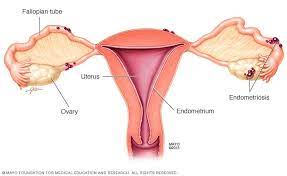
Endometriosis is a chronic gynecological disorder characterized by tissue resembling the uterine lining growing outside the uterus, causing inflammation, severe pain, and scarring. It affects about 10-15% of women globally, with an estimated 42 million women suffering from it in India alone. Recent health reports indicate a worrying 10-20% rise in cases annually, particularly among women aged 20 to 40.
Studies reveal a monthly diagnosis rate where 1 in 10 women presenting with severe menstrual symptoms may have endometriosis. Regions like Kerala and Bengal report higher incidence, though cases span widely across urban and rural India. The increasing prevalence is partially attributed to heightened awareness and better diagnostic tools, but environmental and genetic factors are also implicated.
Key Symptoms and the Danger of Normalising Pain
A critical public health concern is the widespread misconception that painful periods are “normal.” Dr. Nisha Buchade, a leading obstetrician and gynecologist, states, “Women should not normalise period pain and must consult specialists for early diagnosis… ignoring severe pain can be dangerous”. Common symptoms warranting medical evaluation include:
-
Severe menstrual cramps that start before and continue through periods
-
Heavy menstrual bleeding requiring frequent tampon or pad changes
-
Pelvic pain during intercourse and bowel or urinary discomfort during menstruation
-
Prolonged periods lasting more than a week
-
Fatigue and digestive issues accompanying pain
Dr. Kulkarni explains that while some discomfort during menstruation is typical, severe pain interfering with daily life or accompanied by other symptoms is abnormal and should prompt a doctor’s visit. Ignoring such signs leads to delayed diagnosis, often after years of suffering and multiple doctor visits.
Expert Perspectives on Causes and Diagnosis Challenges
The exact cause of endometriosis remains unknown but is believed to involve genetic predisposition, hormonal imbalances (notably excess estrogen), immune system dysfunction, and environmental triggers like pollution and bacterial endotoxins.
In Delhi, for instance, nearly 40% of new cases have been linked to environmental factors such as air pollution and endotoxins, significantly higher than previous years. Additionally, rural women face challenges due to lack of education and awareness, while urban women endure lifestyle stressors contributing to risk.
Diagnosis remains difficult due to symptom overlap with other conditions and lack of standardised protocols. Surgical laparoscopy is the gold standard for diagnosis, though non-invasive imaging and biomarkers can aid early suspicion. Delays often lead to advanced disease stages, compromising fertility and quality of life.
Treatment, Management, and Public Health Implications
Treatment depends on symptom severity and fertility goals. Options range from pain management with anti-inflammatory medications, hormonal therapies to suppress endometrial growth, and minimally invasive surgeries like robot-assisted laparoscopy to remove lesions. Early intervention improves outcomes and preserves reproductive health.
Experts advise lifestyle strategies, including balanced nutrition rich in antioxidants, regular physical activity, stress management, and avoiding smoking. Raising awareness through education programs is crucial to break the stigma surrounding menstrual pain and encourage timely medical care.
The growing burden of endometriosis not only affects individual health but also impacts society and economies through lost productivity and increased healthcare costs. Public health programs must prioritise women’s reproductive health, integrating screening, counselling, and multidisciplinary treatment access.
Limitations and Contrasting Views
While evidence strongly supports early diagnosis and treatment, some experts acknowledge the condition’s complex nature and variability in symptoms and response to treatment. Not all menstrual pain indicates endometriosis; hence thorough evaluation is necessary to avoid overtreatment. There is also ongoing research on the role of environmental toxins requiring further validation.
Medical Disclaimer:
This article is for informational purposes only and should not be considered medical advice. Always consult with qualified healthcare professionals before making any health-related decisions or changes to your treatment plan. The information presented here is based on current research and expert opinions, which may evolve as new evidence emerges.
References