 0
0
 0
0
In Bengaluru, doctors are raising concerns about the premature diagnosis and treatment of polycystic ovary syndrome (PCOS) in teenagers as young as 13 and 14, amidst growing awareness among parents and adolescents. With the average age of menarche dropping to as early as 9-11 years, common pubertal changes like irregular menstrual cycles, acne, and mild hair growth are frequently mistaken for PCOS. Medical experts caution that these normal developmental symptoms can mimic PCOS, leading to unnecessary anxiety and interventions.
Key Findings and Developments:
Gynecologists in Bengaluru report seeing 10-15 cases every week where parents worry about PCOS based on normal pubertal symptoms such as cycle irregularities and slight facial hair growth shortly after menarche. Dr. N Sapna Lulla, lead consultant at Aster CMI Hospital, explains that these symptoms are often part of adolescence and not definitive signs of PCOS. The role of social media also contributes, with teenagers self-diagnosing after exposure to online content and peer discussions.
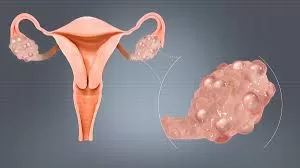
Experts also highlight the risk of overdiagnosis through ultrasound results. Dr. N Venkatesh of Jayanagar General Hospital notes that minor findings like one or two ovarian follicles or mildly thickened ovaries are sometimes misread as PCOS, unnecessarily alarming families. Accurate PCOS diagnosis requires strict criteria, including the presence of at least 20 follicles in ovaries during specific menstrual phases.
Context and Background:
PCOS is a hormonal disorder affecting women of reproductive age, characterized by symptoms such as irregular periods, excessive hair growth (hirsutism), acne, and ovarian cysts. It is also associated with long-term health risks like diabetes, cardiovascular problems, and infertility. However, in early adolescence, the hormonal system—particularly the hypothalamic-pituitary-ovarian (HPO) axis—is still stabilizing, causing variations that can mimic PCOS symptoms temporarily.
Given this biological variability, doctors advise caution before diagnosing PCOS in teens, emphasizing that up to three years post-menarche is often a normal adjustment period. Dr. Manjula NV from Ramaiah Memorial Hospital recommends waiting until age 16 or three years after menarche to pursue a formal diagnosis unless severe symptoms exist.
Implications for Public Health:
The caution against overdiagnosis is critical to prevent unnecessary medical treatment, psychological distress, and social stigma linked to PCOS labels in adolescents. Inappropriate hormonal treatments may have side effects and could interfere with natural maturation processes. Instead, lifestyle factors such as diet, physical activity, and stress management are pivotal in managing early symptoms and promoting reproductive health. Experts recommend diets rich in whole foods, fiber, omega fatty acids, and regular exercise while avoiding high-sugar and processed foods to mitigate PCOS development risks.
Potential Limitations or Counterarguments:
While overdiagnosis is a concern, genuine cases of PCOS triggered by lifestyle factors like obesity and sedentary behavior are increasingly common even in younger populations. Therefore, delayed diagnosis risks under-treating or missing early interventions for affected individuals. Doctors emphasize the need for a balanced approach—monitoring symptoms closely and differentiating between physiological changes and pathological PCOS.
Medical Disclaimer:
This article is for informational purposes only and should not be considered medical advice. Always consult with qualified healthcare professionals before making any health-related decisions or changes to your treatment plan. The information presented here is based on current research and expert opinions, which may evolve as new evidence emerges.
References:
-
Times of India. “PCOS Day: Doctors caution against overdiagnosis in teenagers.” Published August 30, 2025. https://timesofindia.indiatimes.com/city/bengaluru/pcos-day-doctors-caution-against-overdiagnosis-in-teenagers/articleshow/123619115.cms