 0
0
 0
0
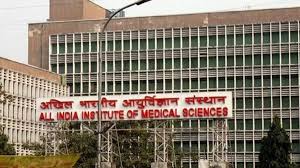
In a recent move to improve working conditions for resident doctors, the All India Institute of Medical Sciences (AIIMS) issued an order on August 21, 2025, instituting a 12-hour maximum workday and a 48-hour workweek duty roster for residents. Despite this, resident doctors across AIIMS centers have reported inconsistent implementation, prompting the United Doctors Front (UDF) to demand immediate enforcement of the order, citing concerns over mental health, burnout, and work-life balance. The UDF has appealed to AIIMS leadership to protect residents against punitive actions and ensure transparent duty records that respect the prescribed limits.
Key Findings and Developments
The AIIMS order mandates that junior residents ordinarily work no more than 12 hours per day and 48 hours per week while receiving at least one weekly holiday on a rotational basis. The policy aims to align duty hours with global standards designed to reduce physician fatigue and enhance patient safety. However, reports reveal that implementation varies across AIIMS centers, with some residents hesitant to voice concerns due to fears of discrimination or punishment. The UDF, led by Dr. Lakshya Mittal, has formally written to the AIIMS Director calling for urgent action to standardize work hours and protect residents advocating for their rights.
Expert Commentary
Dr. Lakshya Mittal, President of UDF, emphasizes the critical link between resident well-being and quality patient care:
“Resident doctors are the backbone of healthcare delivery at AIIMS. Excessive duty hours have led to widespread mental health issues, including depression and burnout. Implementing a manageable duty roster is not just a matter of policy but a necessity for safeguarding our healthcare workforce and the patients they serve.”
Meanwhile, Dr. Sai Kaustubh, President of the Resident Doctors’ Association of AIIMS Delhi, highlights the operational challenges:
“The concept of a 12-hour day with a 48-hour week is ideal, but with the current resident strength, it is logistically difficult to implement without hiring more staff. Increasing manpower is essential to achieve this balance.”
Context and Background
Long working hours and overnight shifts are a well-documented risk factor for physician burnout, which can compromise mental health and patient safety. International guidelines, such as those from the Accreditation Council for Graduate Medical Education (ACGME), recommend limiting resident duty hours to improve overall outcomes. In India, however, such regulations remain inconsistently applied across institutions, often due to staffing shortages and high patient loads. AIIMS, as a premier medical institute, taking steps towards restricting resident duty hours reflects a growing recognition of these global standards.
Public Health Implications
The move to cap resident duty hours at 12 per day and 48 per week could have broad public health benefits: improving mental health among young doctors, reducing medical errors caused by fatigue, and enhancing overall care quality. Residents under extreme stress are more prone to mistakes, which can negatively affect patient outcomes. By enforcing these work limits, AIIMS could set a precedent for reforming resident working conditions nationwide, potentially reducing physician dropout rates and improving healthcare delivery long term.
Potential Limitations and Counterarguments
Despite the clear benefits, there are operational challenges. Critics argue that without increasing the number of resident doctors or supporting staff, enforcing shorter shifts could strain available resources, leading to gaps in clinical coverage or increased pressure on fewer doctors. There is also concern about the feasibility of maintaining 24/7 patient care with restricted hours, especially in a high-volume tertiary care setting like AIIMS. Some suggest a phased implementation with concurrent recruitment drives and systemic reforms to sustainably meet the workload without compromising patient care or resident health.
Practical Implications for Readers
For patients and the public, this change signals a shift towards safer, more sustainable healthcare environments. Shorter resident duty hours are likely to reduce errors related to fatigue, enhancing confidence in care quality. For healthcare professionals, especially trainees, awareness of such policies underscores the importance of advocating for work conditions that support mental health and patient safety. Institutions adopting these standards may also offer better work-life balance, potentially inspiring other hospitals to follow suit.
Medical Disclaimer
Medical Disclaimer: This article is for informational purposes only and should not be considered medical advice. Always consult with qualified healthcare professionals before making any health-related decisions or changes to your treatment plan. The information presented here is based on current research and expert opinions, which may evolve as new evidence emerges.
References
-
Medical Dialogues Coverage: “Doctors demand implementation of AIIMS 12-hour day, 48-hour week duty roster,” August 2025.https://medicaldialogues.in/news/health/doctors/doctors-demand-implementation-of-aiims-12-hour-day-48-hour-week-duty-roster-154616