 0
0
 0
0
SPARTANBURG, SC — In the early morning chill of a South Carolina winter, Dr. Justin Moll isn’t in a sterile exam room. Instead, he is in a parking lot, shrouded in personal protective equipment, peering into the backseat of a minivan. This “curbside triage” has become the new daily reality for physicians at Parkside Pediatrics as they fight to contain the most significant U.S. measles surge in over three decades.
As of mid-February 2026, South Carolina has become the epicenter of a public health crisis that experts warn is a “canary in the coal mine” for national immunity. With over 950 confirmed cases in the state alone, the outbreak is fueled by a volatile mix of declining vaccination rates, social media misinformation, and a burgeoning “medical freedom” movement that has eroded trust in one of medicine’s most successful interventions.
A Growing Toll: By the Numbers
The scale of the current resurgence is staggering. According to the Centers for Disease Control and Prevention (CDC), the U.S. has recorded 910 cases nationally in the first six weeks of 2026, following a record-breaking 2025 that saw over 2,200 infections.
In South Carolina, the data paints a stark picture of how the virus finds “pockets” of vulnerability:
-
Total Cases: 950+ (centered in Greenville and Spartanburg).
-
Vaccination Gap: 859 of the infected individuals were completely unvaccinated.
-
Hospitalizations: Approximately 20 patients have required inpatient care due to complications.
-
Quarantine: 235 individuals remain under monitoring to prevent further spread.
“The real figures are significantly greater than what’s documented, which is truly alarming,” says Dr. Nathan Heffington, Medical Director at Parkside Pediatrics. Heffington and his team have treated roughly 50 cases since October, implementing outdoor screenings specifically to prevent the highly contagious virus from entering waiting rooms where infants—too young to be vaccinated—remain at extreme risk.
The “Medical Freedom” Paradox
For decades, measles was a memory for most American parents, declared eliminated in the U.S. in 2000. However, that status is now under immediate threat. Public health officials point to a dramatic shift in cultural attitudes toward routine immunizations.
Statewide school vaccination rates in South Carolina have plummeted nearly three percentage points since 2020. In some localized areas, coverage has dropped as low as 20%—a far cry from the 95% threshold required for “herd immunity,” the point at which a virus can no longer find enough hosts to spread.
The shift is often framed as a matter of “medical freedom.” While some parents cite concerns over side effects or personal choice, experts note that the rhetoric has been amplified by high-profile figures, including U.S. Health Secretary Robert F. Kennedy Jr., whose skepticism regarding vaccine safety has gained traction in the post-COVID-19 era.
“They’re not anti-anything; they’re trying to do what they believe is best for their families,” notes Dr. Moll. However, the result of these individual choices is a collective loss of protection.
Understanding the Risk: More Than Just a Rash
Measles is often dismissed as a “childhood rite of passage,” but medical professionals emphasize its severity. It is one of the most contagious viruses known to man; a single infected person can spread it to 12 to 18 others in an unvaccinated population.
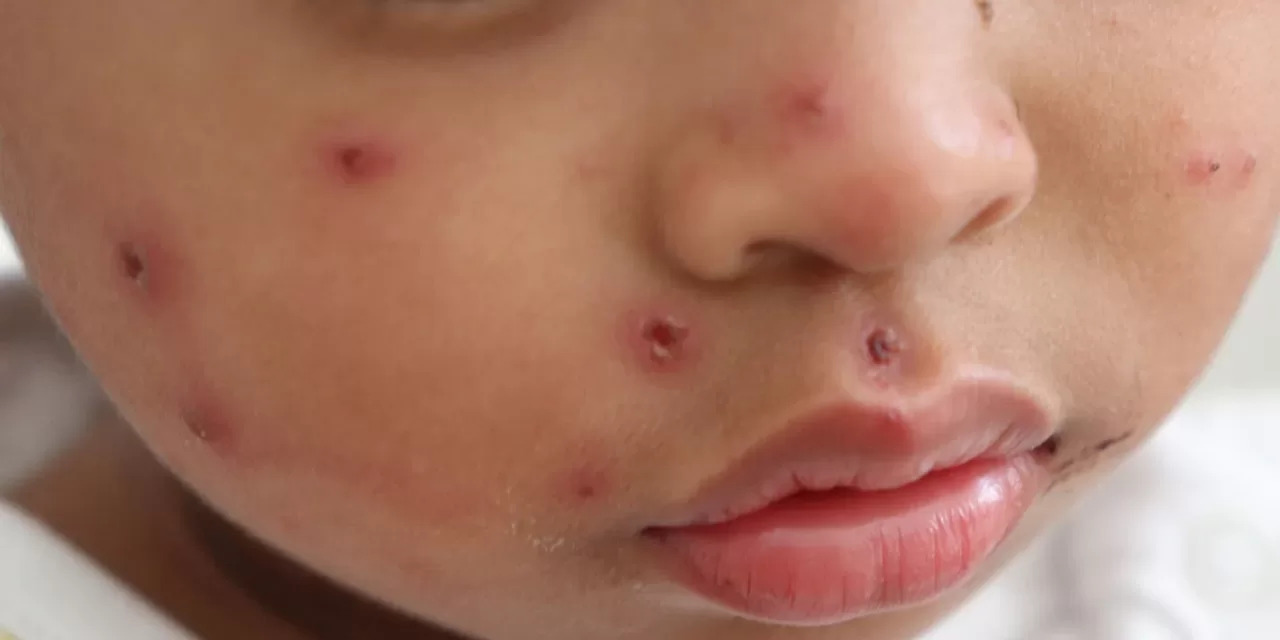
The virus lingers in the air for up to two hours after an infected person has left a room. While the characteristic red rash is the most visible symptom, the internal risks are far more concerning:
-
Severe Pneumonia: The most common cause of measles-related death in children.
-
Encephalitis: Swelling of the brain that can lead to permanent deafness or intellectual disability.
-
Immune Amnesia: A phenomenon where the measles virus “wipes” the body’s memory of other diseases, leaving children vulnerable to other infections for years.
-
SSPE: A rare but fatal central nervous system disease that can develop years after a person has “recovered” from measles.
“Where we may lose our elimination status is if the South Carolina outbreak links to prior ones like those we’ve seen in Texas,” explains Dr. Brandon Dionne, an infectious disease expert at Northeastern University.
The Path Forward: Rebuilding Trust
The federal government has allocated $1.4 million to South Carolina for testing and free vaccines, but the challenge remains a human one. Rebuilding the bridge of trust between the medical community and skeptical parents is a slow process that happens one conversation at a time.
Dr. Yvonne Maldonado, a pediatric infectious disease specialist at Stanford Medicine, emphasizes the efficacy of the current tools. “The two-dose MMR (Measles, Mumps, and Rubella) vaccine is 97% effective,” she states. “It is one of the safest and most effective tools we have in our medical arsenal.”
For the general public, the advice from health authorities is clear:
-
Check Records: Ensure children have received both doses of the MMR vaccine.
-
Adult Immunity: Adults born after 1957 should ensure they have had at least one dose or a blood test confirming immunity.
-
Symptom Awareness: High fever, cough, runny nose, and watery eyes typically appear before the rash.
As the outbreak persists, the burden remains on frontline doctors like those in Spartanburg, who continue to screen patients in parking lots, hoping to prevent a preventable disease from reclaiming its foothold in the American landscape.
Medical Disclaimer: This article is for informational purposes only and should not be considered medical advice. Always consult with qualified healthcare professionals before making any health-related decisions or changes to your treatment plan. The information presented here is based on current research and expert opinions, which may evolve as new evidence emerges.
References
-
Reuters (2026). “Doctors bear the burden as ‘medical freedom’ fuels worst US measles outbreak in 30 years.” Reported Feb 13, 2026.
-
Reuters (2026). “Measles cases in South Carolina rise by 17 to 950, state health department says.” Reported Feb 13, 2026.