 0
0
 0
0
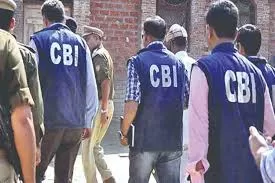
In a chilling development from Faridabad, Haryana, authorities have dismantled a “white collar” terror module reportedly led by four doctors turned terrorists, who used the encrypted messaging app Telegram to coordinate their attacks using innocuous-seeming code words. The doctors—Muzamil Shakeel, Umar Muhammad Nabi, Shaheen Saeed, and Adeel Ahmad Rather—employed culinary terms like “biryani” and “daawat” to covertly communicate about explosives and planned terror strikes. The module’s radicalization reportedly began through a connection with Imam Irfan Ahmad from Jammu and Kashmir’s Shopian, who used health-seeking interactions as a cover to influence and recruit the doctors. This module also received weapons and logistical support from Pakistan-based Jaish-e-Mohammad terrorists, highlighting the sophisticated nature of the threat.
Key Findings and Developments
Security agencies uncovered that “biryani” was code for explosive material while “daawat” stood for the planned attack event. On Telegram, messages such as “Biryani is ready, get ready for daawat” signaled the completion of bomb preparation and the imminence of an attack. The four doctors used their professional roles strategically to acquire materials needed for assembling explosives and helped coordinate terror activities across different Indian states. The module was directly linked to the deadly car blast at Delhi’s Red Fort, which caused significant casualties.
The mastermind, Imam Irfan Ahmad—initially linked to radical Islamist networks—became involved when he met one of the doctors in a hospital setting, using that relationship to begin radicalizing him. Confidence in the loyalty of Dr. Umar Nabi led to recruiting other doctors. The network expanded to include at least five to six doctors forming a terror logistics cell that actively collaborated with Jaish-e-Mohammad militants, who provided them with AK-series assault rifles, all seized in ongoing investigations.
Expert Perspectives
Dr. A. K. Verma, a retired security analyst and former advisor on counterterrorism, commented, “The use of professionals such as doctors in terror networks is particularly concerning. They have access to critical resources and are often above suspicion, which makes detection challenging. The use of everyday language and codes further minimizes the risk of exposure through digital surveillance.” Dr. Verma emphasized the importance of continuous monitoring of encrypted communications while balancing civil liberties.
Background and Context
This terror module reveals a worrying trend of radicalized professionals who exploit their societal standing and expertise for extremist agendas. The doctors’ names have been struck off the Indian Medical Register and the National Medical Register, effectively barring them from practicing medicine anywhere in India. The module’s expansion and coordination across multiple states underscore the threat of decentralized terror cells using modern technology like encrypted messaging to evade law enforcement.
Implications for Public Health and Society
From a public health perspective, this issue raises concerns about trust in healthcare professionals. It highlights the necessity of vigilant oversight within medical institutions and registration bodies to ensure professionals uphold ethical standards. The infiltration of such individuals into terror networks can have profound societal impacts by eroding public confidence and exploiting respected roles to further dangerous ideologies.
Counterarguments and Limitations
Some individuals associated with the module, such as Shaheen Saeed, claimed a lack of awareness of the full plot, suggesting possible manipulation or coercion among members. Investigations continue to clarify the degree of involvement for each accused. Furthermore, while encrypted apps complicate surveillance, they do serve legitimate privacy needs, necessitating a nuanced approach in intelligence operations.
Practical Takeaways
For the general public, this incident illustrates the evolving tactics used by terror groups, including the exploitation of trusted professionals and the use of coded language over digital platforms. Awareness and reporting of suspicious behavior, even when from unexpected sources, are critical to community safety. Healthcare institutions should strengthen protocols to detect and prevent radicalization within their workforce.
Medical Disclaimer: This article is for informational purposes only and should not be considered medical advice. Always consult with qualified healthcare professionals before making any health-related decisions or changes to your treatment plan. The information presented here is based on current research and expert opinions, which may evolve as new evidence emerges.
Reference
- https://www.ndtv.com/india-news/biryani-daawat-codes-used-by-white-collar-terror-module-on-telegram-9650627
- https://tennews.in/doctors-turned-terror-module-used-biryani-and-daawat-as-code-words-on-telegram/