 0
0
 0
0
NEW DELHI – In a significant leap toward bridging the healthcare gap for India’s most vulnerable populations, the Union Ministry of Health and Family Welfare announced on February 13, 2026, that more than 14.9 crore beneficiaries have now been integrated into the U-WIN digital ecosystem. As of early February, the platform has successfully registered 11.12 crore children and 3.78 crore pregnant women, marking a transformative era for the world’s largest Universal Immunization Programme (UIP).
The U-WIN portal, which functions as the backbone of India’s routine immunization delivery, has become a cornerstone of public health infrastructure. By replacing manual, paper-based records with a seamless digital trail, the government aims to ensure that no child or pregnant mother “falls through the cracks” of the healthcare system.
A Digital Revolution in Preventive Care
The scale of the U-WIN rollout is unprecedented. In 2025 alone, 8.01 crore new beneficiaries were added to the platform. Beyond mere registration, the system provides a tangible benefit to families: the ability to download a QR code-based vaccination certificate immediately after an immunization event.
This digital proof of vaccination is more than just a convenience; it serves as a portable health record that can be accessed “anytime, anywhere” across the country. For India’s large migratory population—families who may move between states for seasonal work—this portability ensures that a child’s vaccination schedule remains uninterrupted, regardless of their location.
To maintain this momentum, the portal utilizes a robust notification system. In the last year, U-WIN dispatched 29.42 crore SMS alerts, including critical reminders for upcoming doses.
Strengthening the Service Delivery Chain
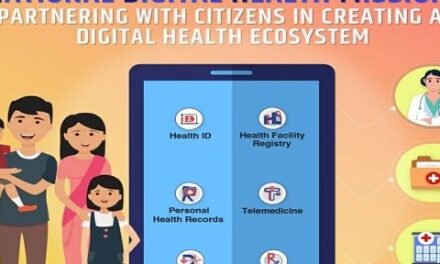
The true power of U-WIN lies in its integration with other flagship digital health initiatives. The Ministry confirmed that U-WIN is now fully synced with:
-
Ayushman Bharat Digital Mission (ABDM): Linking immunization records to the Ayushman Bharat Health Account (ABHA), creating a comprehensive lifelong electronic health record.
-
POSHAN Tracker: Collaborating with the Ministry of Women and Child Development to monitor the nutritional and health status of children at the grassroots level via Anganwadi centers.
-
SAFEVAC: An online platform dedicated to tracking Adverse Events Following Immunization (AEFI), ensuring vaccine safety through real-time reporting.
“U-WIN has helped in the digital line-listing of children, allowing frontline workers to map and follow up with every individual case,” stated Smt. Anupriya Patel, Union Minister of State for Health and Family Welfare, in a written reply to the Lok Sabha.
Expert Perspective: Bridging the Last Mile
Public health experts view the integration of these platforms as a masterclass in data-driven healthcare.
“The transition from manual registers to a centralized digital database like U-WIN is a game-changer for pediatric health,” says Dr. Arpita Sen, a public health consultant not affiliated with the ministry. “By linking U-WIN with the POSHAN Tracker, we aren’t just looking at a vaccine dose; we are looking at the holistic health of the child. It allows us to identify ‘zero-dose’ children in high-risk areas who were previously invisible to the system.”
Understanding the Numbers: The Statistical Context
India’s Universal Immunization Programme (UIP) targets approximately 2.6 crore infants and 2.9 crore pregnant women annually. The program provides free protection against 12 vaccine-preventable diseases, including:
-
Diphtheria
-
Pertussis (Whooping Cough)
-
Tetanus
-
Polio
-
Measles & Rubella
-
Hepatitis B
-
Childhood Tuberculosis
According to previous WHO-UNICEF estimates (WUENIC), India has already made strides in reducing the number of “zero-dose” children—those who have not received even the first dose of basic vaccines. The U-WIN portal’s real-time data is expected to accelerate the goal of achieving over 90% full immunization coverage nationwide.
Potential Challenges and Limitations
Despite the technological triumphs, hurdles remain. Digital literacy in remote rural pockets can pose a barrier to self-registration. Furthermore, while the system offers an “offline mode” for health workers in areas with poor internet connectivity, the synchronization of that data depends on eventual network access.
Some health advocates also point to “vaccine hesitancy” in certain clusters. While a portal can track who is due for a vaccine, it cannot single-handedly overcome cultural or misinformation-based resistance. Experts emphasize that the digital tool must be paired with continued community outreach and interpersonal communication by ASHA workers.
What This Means for You
For parents and expectant mothers, the U-WIN system simplifies a once-complex process:
-
Self-Registration: You can register yourself or your child via the U-WIN web portal or mobile app using a mobile number.
-
Search & Schedule: Find the nearest government or private vaccination center and book a slot that fits your schedule.
-
Instant Records: No more worrying about lost physical cards; your QR-coded certificate is always available on your phone for school admissions or travel.
As the program evolves, the government plans to further empower mothers by allowing them to report minor side effects, such as fever or local swelling, directly through the app, fostering a more transparent and responsive healthcare experience.
References
-
Press Information Bureau (PIB) Delhi: “Update on Universal Immunization Coverage,” Posted 13 Feb 2026. [PRID: 2227422].
Medical Disclaimer: This article is for informational purposes only and should not be considered medical advice. Always consult with qualified healthcare professionals before making any health-related decisions or changes to your treatment plan. The information presented here is based on current research and expert opinions, which may evolve as new evidence emerges.