 0
0
 0
0
January 18, 2026
For families and clinicians caring for those with advanced dementia, the most distressing symptoms are often the ones that happen in the dark. Agitation, nighttime wandering, and chronic sleep fragmentation—collectively known as Behavioral and Psychological Symptoms of Dementia (BPSD)—affect up to 90% of patients. Because those with advanced cognitive decline often lose the ability to verbalize their discomfort, these symptoms frequently go undertreated or are managed with heavy sedation.
However, a landmark study published this week reveals that the same wearable technology used to prevent “elopement” (wandering) in care facilities may hold the key to a more nuanced, data-driven approach to dementia care. Researchers have successfully used Real-Time Location System (RTLS) data to map “rest-activity rhythms,” providing a digital window into the sleep quality and agitation levels of residents who can no longer speak for themselves.
From Security Tool to Diagnostic Asset
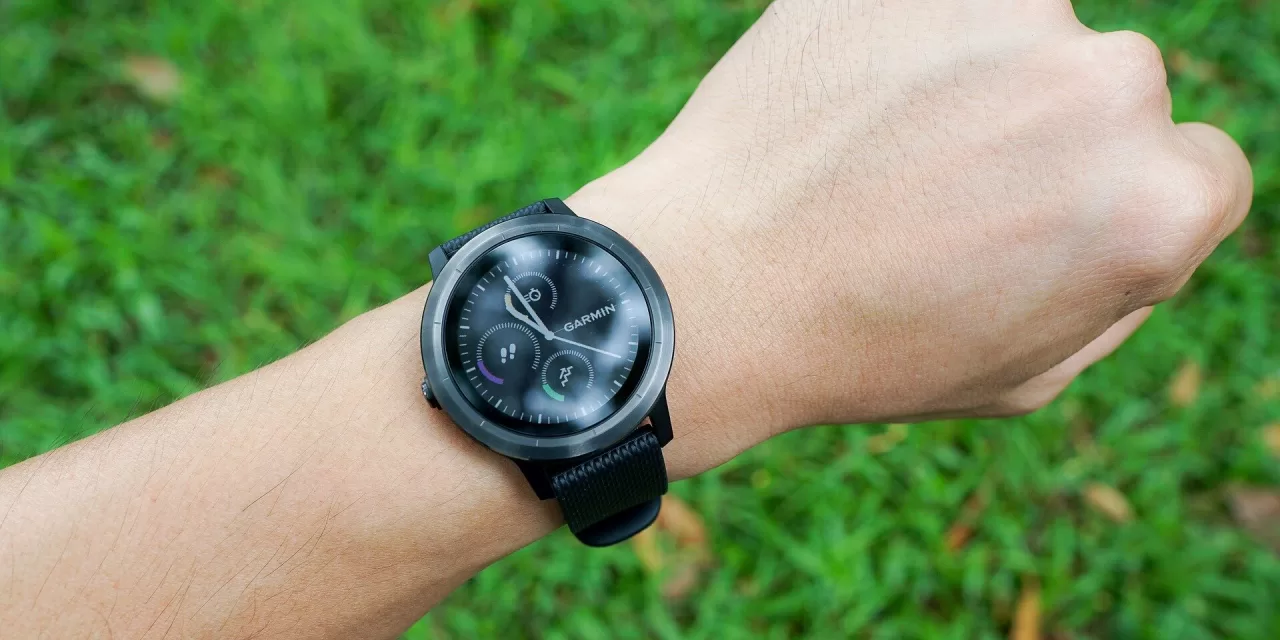
Traditionally, RTLS devices—small, wrist-worn sensors—have been used in memory care units as a high-tech “nurse call” or an alarm system to ensure residents don’t accidentally leave the premises.
In this new study, an international team of researchers monitored 47 residents in a specialized dementia care unit over a 16-week period. By tracking movement in 15-minute intervals, the team converted raw location data into digital markers of activity. They weren’t just looking at where a person was, but how they moved through time.
The results, analyzed through mixed-effects models, showed a direct correlation between digital movement patterns and clinical assessments. Higher activity intensity during the day was a reliable predictor of motor agitation, while fragmented rhythms at night mirrored clinical reports of difficulty falling asleep and “sundowning”—a state of confusion and restlessness that often hits as the sun goes down.
The Six Faces of Rest-Activity: Identifying Phenotypes
One of the study’s most significant breakthroughs was the use of unsupervised machine learning to categorize residents into six distinct “phenotypes.” This suggests that dementia does not affect everyone’s internal clock in the same way.
The researchers identified the following profiles:
-
Well-Regulated: Strong distinctions between day and night activity.
-
High Time in Bed: Minimal movement, potentially indicating apathy or physical frailty.
-
Low Stability: Highly unpredictable patterns from one day to the next.
-
Severe Rhythm Disturbance: Near-total loss of a 24-hour cycle.
-
Nighttime Active: Reversal of the typical sleep-wake cycle.
-
Highly Active: Constant movement and high intensity throughout the day.
“Seeing these six phenotypes tells us that ‘advanced dementia’ is not a monolith,” says Dr. Elena Rossi, a geriatric neurologist not involved in the study. “If we can identify that a specific resident has a ‘Low Stability’ profile, we can tailor their environment—perhaps through light therapy or timed social engagement—rather than relying on a one-size-fits-all pharmacological approach.”
Why This Matters for Public Health
As the global population ages, the number of people living with dementia is projected to reach 139 million by 2050. The burden on residential care facilities is immense, often leading to caregiver burnout and high turnover.
The ability to use existing, scalable technology like RTLS to monitor BPSD offers several public health advantages:
-
Objective Monitoring: It removes the subjectivity of overstretched staff members who may miss subtle changes in a resident’s behavior.
-
Early Intervention: Changes in rest-activity rhythms often precede a full-blown behavioral crisis. Early detection allows for “de-escalation” before a patient becomes a danger to themselves or others.
-
Reducing Over-Medication: By understanding the specific rhythm disturbance, doctors can prescribe targeted treatments instead of broad-spectrum antipsychotics, which carry significant side effects in the elderly.
Limitations and Ethical Considerations
While the study offers a promising leap forward, experts urge caution regarding privacy and the “human element” of care.
“Data is a tool, not a replacement for a bedside presence,” says Sarah Jenkins, a clinical ethicist specializing in elder care. “We must ensure that constant monitoring doesn’t lead to a ‘set it and forget it’ mentality where staff respond to data pings rather than the human being in front of them.”
Furthermore, the study was conducted in a specialized unit with a relatively small sample size ($n=47$). While the 16-week duration provided deep data, larger-scale trials are needed to see if these six phenotypes hold true across different cultures and facility types.
The Path Forward for Families
For families with loved ones in memory care, this research suggests a future where technology provides a voice for the voiceless.
“We often feel helpless when a parent is agitated and can’t tell us why,” says David Chen, whose father lives in a long-term care facility. “Knowing there is a way to track if he’s actually sleeping or if he’s pacing because he’s in pain—that gives us a sense of agency we haven’t had before.”
The researchers conclude that RTLS-derived markers are a “scalable and objective” way to improve the quality of life for those with dementia. As these systems become more common, the hope is that the “silent” symptoms of dementia will finally be heard.
Medical Disclaimer
Medical Disclaimer: This article is for informational purposes only and should not be considered medical advice. Always consult with qualified healthcare professionals before making any health-related decisions or changes to your treatment plan. The information presented here is based on current research and expert opinions, which may evolve as new evidence emerges.
References
- https://www.daijiworld.com/news/newsDisplay?newsID=1303849