 0
0
 0
0
NEW DELHI — In a landmark move aimed at fortifying the integrity of India’s medical education pipeline, the National Testing Agency (NTA) has announced plans to implement mandatory facial recognition and live photo verification for the National Eligibility cum Entrance Test (NEET) starting in 2026. The decision, aimed at curbing impersonation and ensuring that the most qualified candidates enter the nation’s healthcare workforce, marks a significant shift toward biometric-heavy security in high-stakes academic testing.
The initiative comes on the heels of several high-profile controversies regarding “paper leaks” and “proxy candidates” that have previously threatened the credibility of the entrance exam. As the primary gateway for millions of students aspiring to become doctors, the security of NEET is not merely an administrative concern but a matter of public health trust.
Strengthening the Gatekeepers of Medicine
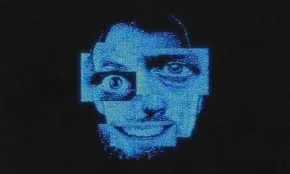
Under the new protocol, candidates will undergo a multi-stage digital verification process. This includes a “live photo” capture at the time of registration, which will then be matched using AI-driven facial recognition software against the individual appearing at the examination center.
Currently, the NTA utilizes traditional fingerprinting and manual Aadhaar-based verification. However, officials suggest that these methods are no longer sufficient to combat sophisticated fraudulent schemes.
“The introduction of live facial recognition is a necessary evolution in examination security,” said a senior official from the Ministry of Education, speaking on condition of anonymity. “When we are selecting the future doctors of this country, there is zero room for identity fraud. We must ensure that the person who sits for the exam is the same person who eventually treats patients in our hospitals.”
The Technology Behind the Shift
The 2026 rollout will leverage Artificial Intelligence (AI) to analyze facial landmarks—such as the distance between eyes and the contour of the jawline—to create a unique biometric template. Unlike static photographs, live photo verification requires the candidate to be physically present and often involves “liveness detection” (such as blinking or turning the head) to prevent the use of high-quality masks or photos to bypass the system.
Data from the NTA suggests that over 2.4 million students registered for NEET-UG in 2024. Managing a biometric database of this scale presents both a technological feat and a logistical challenge. The agency plans to spend the 2025 transition year upgrading digital infrastructure at thousands of testing centers across India’s diverse geography, from metropolitan hubs to rural districts.
Expert Perspectives: Security vs. Privacy
While the move is widely welcomed by the medical community, it has sparked a nuanced debate among data privacy experts and educational psychologists.
Dr. Arisvinda Gupta, a medical education consultant and former dean of a leading government medical college, believes the move is overdue. “Injustice in medical admissions is a public health risk. If an unqualified individual enters the system through fraud, they may eventually lack the competency required for clinical practice. This technology acts as a filter for meritocracy,” Dr. Gupta stated.
However, civil liberties advocates raise concerns regarding data security. “While the intent is noble, we must ask where this biometric data is stored, who has access to it, and how long it is kept,” says Rahul Mehra, a digital rights researcher. “For 17 and 18-year-olds, providing facial biometrics to a central database is a significant privacy trade-off.”
Implications for Public Health and Safety
The ripple effects of secure medical entrance exams extend far beyond the classroom. The medical profession relies heavily on the “Social Contract”—the unspoken agreement that doctors are chosen based on rigorous standards of excellence and ethics.
When the admission process is compromised, it can lead to:
-
Erosion of Public Trust: Patients must feel confident that their physicians earned their place through merit.
-
Educational Quality: Fraudulent entries can take up limited seats in premier institutions, depriving highly capable students of the opportunity to serve.
-
Mental Health Stress: The hyper-competitive nature of NEET already places immense pressure on students. Knowing that the “playing field is level” may alleviate some of the anxiety associated with unfair competition.
Potential Limitations and Challenges
Despite the advantages, the NTA faces several hurdles before the 2026 deadline:
-
Technical Glitches: In previous years, biometric failures due to poor internet connectivity or hardware malfunctions at rural centers have caused significant delays and candidate distress.
-
Algorithmic Bias: Research has shown that some facial recognition algorithms can have higher error rates for certain demographics. The NTA will need to ensure the software is calibrated for the diverse facial features found across the Indian subcontinent.
-
Cost: The implementation of high-end cameras and AI software will likely increase the administrative costs of the exam, raising questions about whether registration fees for students will rise.
What Candidates Need to Know
For students currently in the 10th and 11th grades aiming for the 2026 cycle, the NTA emphasizes that the process will be designed to be user-friendly. Candidates will be encouraged to ensure their registration photos are high-quality and taken against a neutral background.
“The goal is not to intimidate the students, but to protect their hard work,” the NTA stated in a preliminary briefing. The agency is expected to release a detailed “Standard Operating Procedure” (SOP) by late 2025 to help students and parents navigate the new requirements.
As India moves toward a “Digital First” approach in education, the success of the 2026 NEET rollout will serve as a litmus test for other national-level examinations. For now, the message to aspiring doctors is clear: the path to a stethoscope is becoming more secure, and the standard for entry is higher than ever.
Medical Disclaimer: This article is for informational purposes only and should not be considered medical advice. Always consult with qualified healthcare professionals before making any health-related decisions or changes to your treatment plan. The information presented here is based on current research and expert opinions, which may evolve as new evidence emerges.
References
Primary Source:
-
Medical Dialogues Bureau. (2024). “NTA to roll out facial recognition, live photo verification for NEET from 2026: Report.” [https://medicaldialogues.in/news/education/medical-admissions/nta-to-roll-out-facial-recognition-live-photo-verification-for-neet-from-2026-report-161411]