 0
0
 0
0
A notable population-based study from Hong Kong, published in the British Journal of Ophthalmology in August 2025, reports a significant association between higher dietary intake of omega-3 polyunsaturated fatty acids (ω-3 PUFAs) and a reduced risk of myopia (nearsightedness) in children aged 6 to 8 years. Conducted by researchers at the Chinese University of Hong Kong, the study evaluated 1,005 children and found that those consuming greater amounts of omega-3s exhibited shorter axial eye lengths—a key anatomical marker linked to myopia progression—and less myopic refractive errors, compared to children with lower omega-3 intake. Conversely, higher consumption of saturated fatty acids was associated with longer axial lengths and a higher risk of myopia.
Key Findings and Study Details
The researchers used a validated 280-item food-frequency questionnaire to assess diet and performed cycloplegic refraction measurements and optical biometry to determine spherical equivalent (SE) refractive error and axial length (AL), respectively. After adjusting for confounding factors such as age, sex, body mass index (BMI), time spent on near-work activities, outdoor exposure, and parental myopia history, children in the lowest quartile of omega-3 intake had an adjusted mean axial length of 23.29 mm, compared to 23.08 mm in those in the highest quartile (p=0.01). Correspondingly, the spherical equivalent was more myopic in children with lower omega-3 intake (-0.13 diopters) versus those with higher intake (+0.23 diopters). These differences, though modest, align with a protective effect of omega-3 fatty acids against myopia development.
In contrast, children consuming the highest amounts of saturated fats—commonly found in butter, palm oil, and red meat—had longer axial lengths (23.30 mm) and more negative refractive errors (-0.12 diopters), suggesting a potential dietary risk factor for myopia. The study did not find significant associations between myopia and other nutrients, including vitamin D, challenging the notion that vitamin D mediates the protective effects of outdoor time on vision.
Expert Perspectives and Biological Plausibility
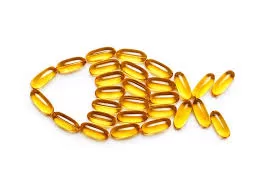
Dr. Vincent Lai, an ophthalmologist unaffiliated with the study, commented, “This research reinforces the emerging understanding that diet, particularly omega-3 fatty acids, may play a role in modulating ocular growth and preventing the progression of myopia in children. Omega-3s are known to improve blood flow and reduce hypoxia in ocular tissues such as the sclera and choroid, which are important in eye development.” He added that the findings support incorporating omega-3 rich foods like fish oils into children’s diets alongside promoting outdoor activity.
The study’s authors hypothesize that omega-3 fatty acids enhance blood perfusion in the choroid—a vascular layer providing oxygen and nutrients to the sclera—and thus help prevent scleral hypoxia. Scleral hypoxia has been implicated as a critical mechanism in axial elongation and myopia progression.
Context and Public Health Implications
Myopia is a growing global public health concern, particularly in East Asian populations where prevalence rates among children and adolescents are notably high. Hong Kong, the study setting, is recognized for some of the highest reported myopia rates worldwide. Given that myopia development often initiates in childhood and can lead to sight-threatening complications later in life, identifying modifiable risk factors is crucial for prevention strategies.
Current public health recommendations emphasize increased outdoor time to reduce myopia risk, citing exposure to natural light as beneficial. This study adds a potential nutritional dimension for prevention. While outdoor activity remains paramount, encouraging diets rich in omega-3 fatty acids could serve as an adjunct measure. Omega-3s are generally safe, widely available, and have established benefits for cardiovascular and brain health, making them a pragmatic option for children’s diets.
Limitations and Counterpoints
Despite promising findings, the study has important limitations. Its cross-sectional design precludes establishing causality—whether omega-3 intake directly protects against myopia or if other lifestyle factors contribute remains uncertain. Dietary assessment relied on self-reported questionnaires, which can introduce recall bias and may not precisely capture actual nutrient intake or serum omega-3 levels. Additionally, the study population was ethnically homogenous (Chinese children in Hong Kong), possibly limiting generalizability to other ethnic groups and geographic settings with different lifestyles and myopia prevalence.
Further, the modest effect size suggests omega-3 intake is likely only one component within a multifactorial prevention approach, which includes genetic predispositions, outdoor exposure, near work behaviors, and other dietary factors. No significant protective association was found for vitamin D, shifting focus from simplistic nutrient assumptions to more comprehensive mechanisms involving light exposure and vascular health.
Future Directions
Researchers advocate for longitudinal cohort studies and randomized controlled trials to confirm these observational findings and clarify the mechanisms whereby omega-3 fatty acids may alter eye growth and myopia risk. Developing evidence-based dietary guidelines integrating omega-3 recommendations for children at risk for myopia could enhance current prevention protocols.
Practical Advice for Readers
For parents and caregivers, incorporating omega-3-rich foods such as fatty fish (salmon, mackerel, sardines), flaxseed, walnuts, and omega-3 fortified products into children’s diets may offer ocular benefits alongside general health advantages. However, nutrition should complement—not replace—regular outdoor activity and balanced visual habits, including limiting prolonged near work and screen time.
People should consult healthcare providers or dietitians for personalized advice, especially if considering omega-3 supplementation.
Medical Disclaimer: This article is for informational purposes only and should not be considered medical advice. Always consult with qualified healthcare professionals before making any health-related decisions or changes to your treatment plan. The information presented here is based on current research and expert opinions, which may evolve as new evidence emerges.
References
- https://bjo.bmj.com/content/early/2025/08/17/bjo-2024-326872
- https://pubmed.ncbi.nlm.nih.gov/40829948/