 0
0
 0
0
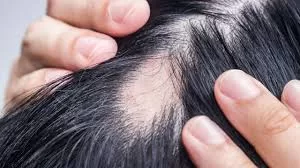
New Delhi, Sep 1 — For many, healthy hair is more than just a cosmetic concern; it reflects overall wellbeing. According to a comprehensive new review published on August 21 in the peer-reviewed journal Nutrition and Health, diet significantly influences hair growth, hair strength, and hair loss risk. The study analyzed 17 research papers encompassing over 61,000 mostly female participants aged 7 to 77 and highlights the vital role of nutrients such as vitamin D, iron, protein, and omega-3 fatty acids. Conversely, consumption of sugary and alcoholic drinks was found to increase the risk of hair loss.
Key Findings on Diet and Hair Health
The review found a strong inverse correlation between vitamin D levels and alopecia (hair loss), positioning vitamin D as a crucial nutrient for maintaining hair health. Iron was also shown to support hair growth, particularly in women with alopecia, where iron supplementation improved outcomes. Protein deficiency was linked to reduced hair bulb diameter and pigmentation, which can lead to thinner, weaker hair. Foods like soy products and cruciferous vegetables were associated with decreased hair loss, while sugary and alcoholic beverages correlated with premature hair shedding and depigmentation. Additionally, supplements containing marine proteins, plant extracts, and vitamins demonstrated effectiveness in reducing hair loss and increasing hair density.
Expert Insights
Dr. Marie Jhin, a practicing dermatologist, emphasized that “a diet rich in lean proteins, fruits, vegetables, whole grains, and omega-3 fatty acids supports healthy hair growth.” She noted that “vitamin D and iron deficiencies are prevalent among patients experiencing hair loss and supplementation can be beneficial.” Another expert, Dr. Susan Massick, also a dermatologist, highlighted the importance of early intervention and lifestyle balance, cautioning that “visible improvement in hair health often requires at least six months of consistent treatment and dietary adjustments.”
Context and Background
Hair is primarily composed of keratin, a protein that forms the structural foundation of hair follicles. Adequate nutrition supports the synthesis and growth of keratin-rich hair strands. Vitamin D is believed to modulate immune responses related to certain types of hair loss, like alopecia areata, by regulating T cells and reducing autoimmune attacks on hair follicles. Iron supports oxygen transport to cells, including those in hair follicles, fostering healthy growth. Protein provides amino acids that are fundamental for hair follicle cell replication. Omega-3 fatty acids improve scalp circulation, reduce inflammation, and help maintain hair shaft moisture and strength.
On the other hand, high intake of sugary beverages has been linked to inflammation and excess sebum production, which can exacerbate scalp irritation and hair loss. Alcohol impairs absorption of vital nutrients like zinc, iron, and protein, indirectly contributing to hair thinning and loss.
Implications for Public Health
Given that hair loss affects millions worldwide and impacts psychological wellbeing and self-esteem, understanding modifiable factors like diet is crucial. Public health messaging could benefit from incorporating dietary recommendations to support hair health as part of broader nutrition guidance. For individuals experiencing hair loss, addressing nutrient deficiencies with appropriate dietary changes or supplements under medical supervision may improve outcomes.
Limitations and Counterarguments
While the review consolidates evidence from observational and interventional studies, some findings—such as the role of vitamin D—show variability across populations, and causal relationships remain to be fully established. Many studies focused predominantly on women, limiting generalizability to men. Moreover, lifestyle factors like stress and genetics also play significant roles in hair health and must be considered alongside diet. Experts caution that over-supplementation of certain nutrients like vitamin A or selenium can be harmful, underscoring the importance of balanced intake.
Practical Takeaways for Readers
Maintaining a balanced diet that includes sufficient amounts of vitamin D (from sunlight exposure and fortified foods), iron (from lean meats, legumes, and leafy greens), protein (such as fish, poultry, and soy), and omega-3 fatty acids (from fatty fish or supplements) can support hair health. Limiting consumption of sugary drinks and excessive alcohol may reduce hair loss risks. For individuals noticing hair thinning or loss, consulting healthcare professionals to evaluate nutritional status and receive personalized advice is recommended.
Medical Disclaimer: This article is for informational purposes only and should not be considered medical advice. Always consult with qualified healthcare professionals before making any health-related decisions or changes to your treatment plan. The information presented here is based on current research and expert opinions, which may evolve as new evidence emerges.
References
- https://www.daijiworld.com/news/newsDisplay?newsID=1290913