 0
0
 0
0
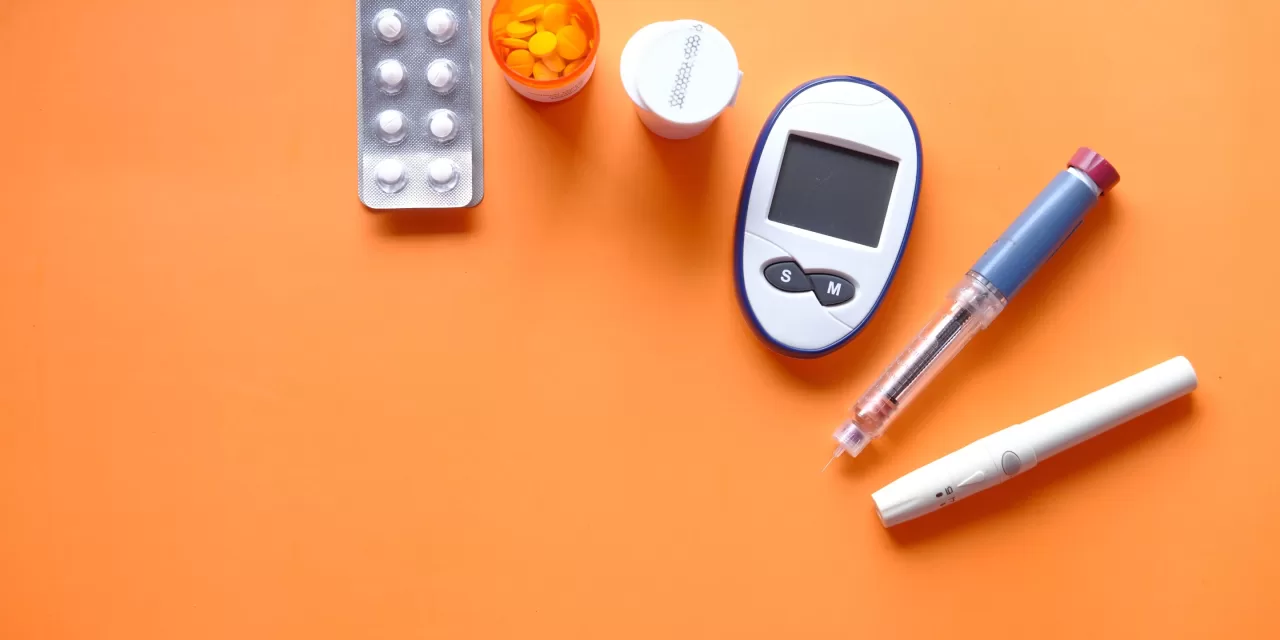
A new U.S. study reveals a significant increase in the use of diabetes technology, such as continuous glucose monitors (CGM) and automated insulin delivery (AID) systems. While this has led to improved glycemic control for many patients with type 1 diabetes, a key finding is that the prevalence of achieving a target A1c level below 7% remains low. The study also highlights widening disparities in technology use and outcomes.
The research, a population-based study in the U.S., found that the adoption of diabetes technology has grown substantially. The use of these devices helps patients and their healthcare providers monitor glucose levels more effectively and make more informed decisions about insulin dosage and lifestyle.
Despite the rise in technology adoption and the general improvement in glycemic control, the study points to a persistent gap between technology use and optimal health outcomes. The challenge now for healthcare providers and patients is to translate the data from these devices into consistent, long-term A1c reductions.
The findings underscore the need for continued efforts to improve patient education, address access disparities, and refine how technology is integrated into daily diabetes management to ensure that the promise of these tools is fully realized for all patients.
Disclaimer
The information provided in this article is for educational purposes only and is not a substitute for professional medical advice. Always consult with your healthcare provider for any health concerns or before making any decisions related to your health or treatment.
Reference
Medscape Medical News. “Diabetes Tech Use On the Rise But A1c Reductions Still Lag.” August 12, 2025. https://www.medscape.com/viewarticle/diabetes-tech-use-rise-a1c-reductions-still-lag-2025a1000lc9?form=fpf