 0
0
 0
0
Pune, Maharashtra – 6 May 2025
As dengue fever cases surge across India, communities in Pune district are witnessing firsthand the growing threat posed by this mosquito-borne disease. With climate change altering monsoon patterns and temperatures, experts warn that dengue-related mortality rates in Pune are projected to increase by 13% by 2040 – a trend expected to worsen significantly by the end of the century.
A Growing Health Challenge
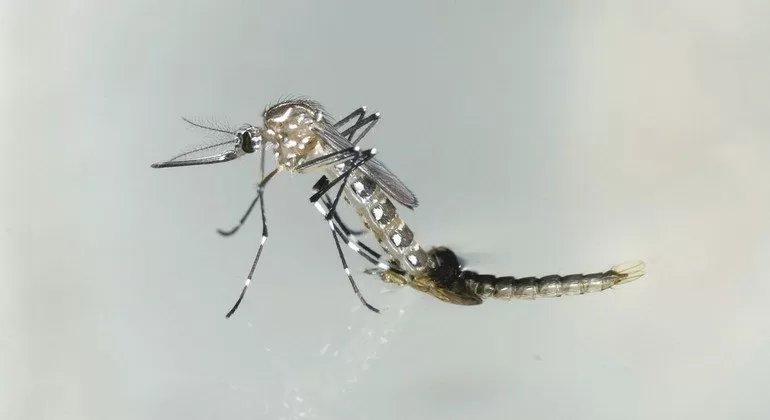
India reported over 230,000 dengue cases in 2024, a sharp rise from 157,000 cases in 2019. Pune, one of the country’s dengue hotspots, faces a complex challenge as changing weather patterns create ideal breeding conditions for Aedes mosquitoes, the primary vectors of dengue virus.
A recent study published in Nature highlights how climate change drives higher temperatures and erratic monsoon rains, contributing to the increased incidence of dengue in India. The study predicts that dengue-related deaths in Pune could rise by 23–40% by 2060 and by as much as 112% by 2100 if adaptive measures are not implemented.
Community Action in Karanjawane Village
In the mosquito-prone village of Karanjawane, located in Pune district, a small primary healthcare centre (PHC) is leading proactive efforts to combat dengue. ASHA workers, medical officers, and laboratory staff work closely with residents to raise awareness about mosquito breeding and prevention.
“We use special torches to show people what Aedes larvae look like and explain why stagnant water is dangerous,” says Manisha Ratan Nidhalkar, an experienced ASHA worker. The team educates villagers on proper water storage practices, larvicide use, and personal protection measures such as wearing protective clothing and avoiding mosquito bites during peak hours.
Despite limited resources-only 100 rapid antigen tests supplied annually by the government-the PHC staff strive to diagnose and treat dengue cases promptly. They also conduct door-to-door visits during drought and monsoon seasons to ensure water containers are emptied or covered to prevent mosquito breeding.
The Climate Factor and Public Health Challenges
Local health experts emphasize that both drought and heavy rains contribute to mosquito proliferation. “When it’s dry, people store water for long periods, which breeds mosquitoes. When it rains heavily, water pools remain stagnant for days, also creating breeding grounds,” explains Srikanth Darwatkar from the local health organization Sathi.
Professor Raghu Murtugadde, a co-author of the Nature study, stresses the urgent need for early warning systems that integrate weather forecasts with health data to predict outbreaks. However, he notes that data sharing and last-mile communication remain significant hurdles.
Public health expert Dr. Abhay Shukla highlights the socio-ecological dimensions of dengue spread, pointing out that vulnerable populations, including migrants and residents of unauthorized slums, bear the brunt of outbreaks. He advocates for strengthening public health infrastructure, enhancing laboratory services, and mapping vulnerable communities to better target interventions.
Looking Ahead: Preparation and Prevention
As the monsoon season approaches, the Karanjawane PHC team is ramping up preparations by ordering rapid tests and stocking essential medicines, sometimes even using personal funds. Pharmacy Officer Surendra Bhandari reflects on the newfound understanding of the link between weather and dengue risk: “Now I will warn people about weather changes and how they relate to dengue. Prevention is a community effort.”
While a dengue vaccine is under trial by the Indian Council of Medical Research, experts caution that vaccination alone will not suffice. Comprehensive public health strategies, climate adaptation, and community engagement are critical to curbing the rising tide of dengue in India.
Disclaimer
This article is based on information available as of May 2025 from Gavi’s VaccinesWork platform and related scientific research. The situation regarding dengue fever and public health measures may evolve. Readers are encouraged to consult local health authorities and trusted sources for the latest guidance and information.
Citations: