 0
0
 0
0
A significant dengue outbreak is unfolding in Manipur in 2025, with the case tally rising to approximately 3,594 confirmed infections and one reported death in Bishnupur district this year. Health authorities report that the surge in dengue cases has been concentrated largely in the Imphal Valley and surrounding districts, with Imphal West being the worst affected area.
Latest Developments and Key Statistics
As of late October 2025, the Directorate of Health Services, Manipur, has confirmed at least 129 new dengue cases in a single day, contributing to a cumulative total of 3,594 cases since January. The lone dengue-related fatality occurred in Bishnupur district, highlighting the serious nature of the outbreak. Among the state’s 16 administrative districts, Imphal West accounts for the highest number of cases at around 2,500, followed by Imphal East (approximately 655 cases), Bishnupur (over 100 cases), Thoubal, Senapati, Kakching, Ukhrul, and Chandel districts reporting lower but notable figures.
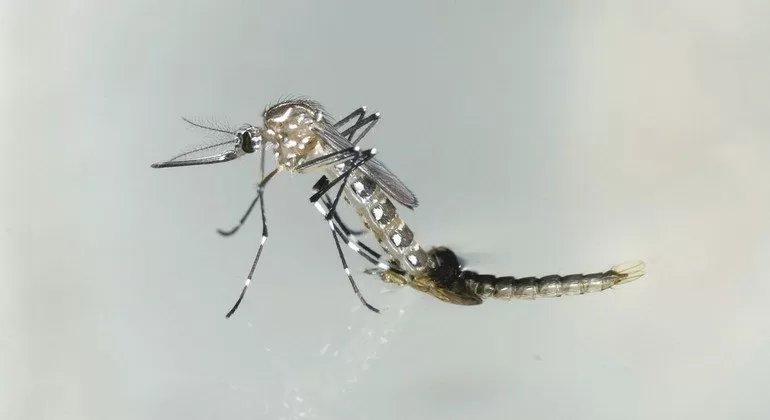
Officials attribute the rise in cases to environmental factors such as prolonged monsoon rains and accumulation of stagnant water, which create ideal breeding grounds for the Aedes aegypti mosquito—the primary vector of dengue virus.
Expert Commentary and Public Health Response
Dr. Rajeev Priyokumar Singh, State Malaria Officer under the National Vector Borne Disease Control Programme (NVBDCP), confirmed that strict adherence to NVBDCP guidelines has been central in the state’s response efforts since early 2025. Control measures include fogging to reduce mosquito populations, elimination of stagnant water, and public awareness campaigns emphasizing mosquito bite prevention.
Health authorities and experts caution that early recognition of symptoms—high fever, severe body aches, rashes—is critical for timely medical intervention to prevent complications. Public health messaging urges the use of mosquito repellents, nets, and maintaining cleanliness to hinder mosquito breeding.
Background and Context
Dengue fever, caused by four distinct but related dengue virus serotypes and transmitted by Aedes mosquitoes, poses a significant public health challenge especially in warm, humid climates with seasonal monsoons. In Manipur, dengue outbreaks have been reported annually, but 2025 shows a steep rise compared to previous years—2,463 cases with 5 deaths in 2024 and 2,548 cases in 2023 with no reported fatalities.
The current outbreak underscores the importance of continuous vector control and public health preparedness in the valley and hill districts alike. The densely populated Imphal Valley, with its urban and semi-urban habitats, presents particular challenges for vector control due to high population density and abundant mosquito breeding sites.
Implications for Public Health and Prevention
This surge in dengue cases calls for heightened vigilance both from health authorities and the general public in Manipur. Combating dengue requires integrated vector management combining environmental sanitation, community participation, use of insecticides (fogging), and timely healthcare access. Preventive measures adopted by individuals, such as wearing protective clothing, using insect repellents, and avoiding stagnant water, are critical in curbing transmission risk.
Given the virus’s capacity to cause severe illness, including dengue hemorrhagic fever and dengue shock syndrome, awareness of warning signs and seeking early medical care remains a cornerstone of reducing mortality.
Limitations and Ongoing Challenges
While the data reflect intensified surveillance and reporting, actual case numbers may be underreported due to asymptomatic or mild cases that do not present for testing. Additionally, weather variability and local ecological factors may cause fluctuating mosquito populations, complicating sustained control efforts.
Public health experts also note the need for enhanced laboratory capacity and community engagement to strengthen outbreak response and minimize future risks.
Medical Disclaimer
Medical Disclaimer: This article is for informational purposes only and should not be considered medical advice. Always consult with qualified healthcare professionals before making any health-related decisions or changes to your treatment plan. The information presented here is based on current research and expert opinions, which may evolve as new evidence emerges.
References