 0
0
 0
0
Bangladesh is facing a rapidly worsening dengue outbreak in 2025, with the death toll crossing 310 and total confirmed cases exceeding 78,500, according to the Directorate General of Health Services (DGHS). The outbreak has intensified sharply in recent months, extending beyond the usual monsoon season and afflicting all 64 districts, including new rural hotspots, with Dhaka, Barishal, and Chattogram divisions identified as the highest-risk areas.
Current Situation and Key Developments
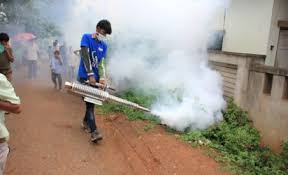
As of early November 2025, the country reported six new dengue-related deaths within 24 hours, bringing the death toll to 313. The total number of hospitalizations reached over 78,500 cases this year, with daily new infections frequently surpassing 1,000 cases. The severity and geographic spread of this outbreak significantly exceed past years, marking 2025 as the deadliest dengue season on record for Bangladesh. The Directorate General of Health Services has intensified anti-larval operations and mosquito control efforts in response.
Expert Perspectives and Context
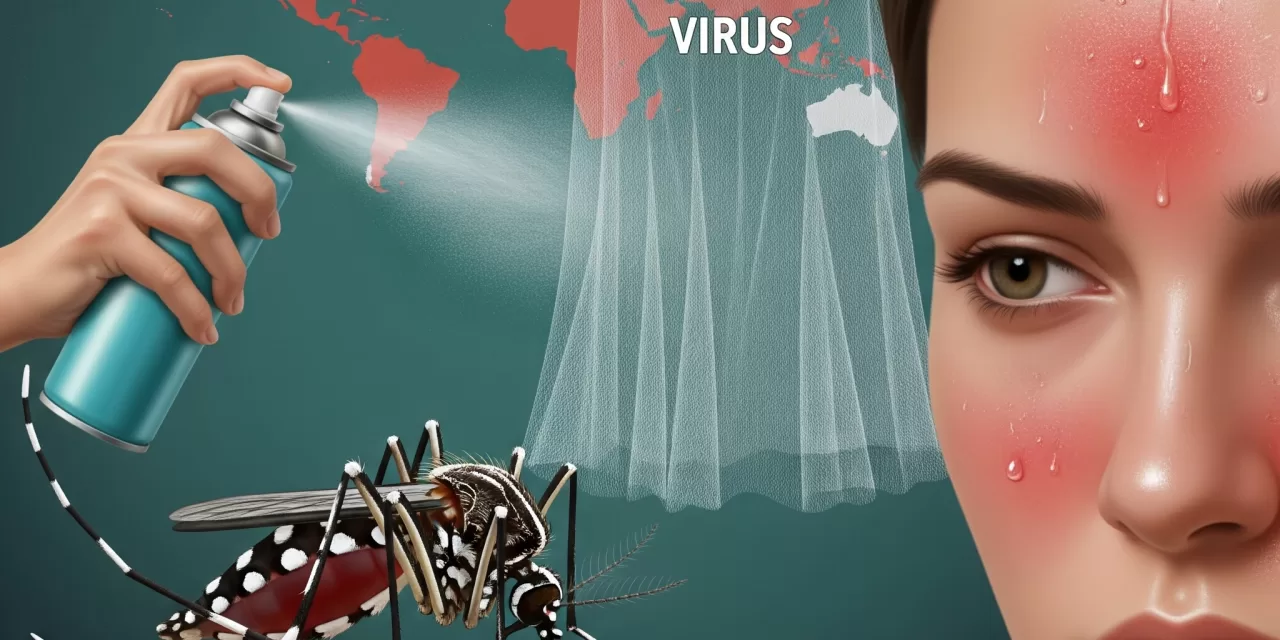
Dengue is a viral illness transmitted primarily by Aedes aegypti mosquitoes, with Aedes albopictus contributing to transmission to a lesser extent. The intensified outbreak is attributed to a combination of climatic factors, including erratic rainfall, prolonged monsoon seasons, rising temperatures, and widespread urban flooding, which together create ideal breeding conditions for mosquitoes. Experts also point to rapid urbanization, high population density, insecticide resistance, and insufficient public awareness as compounding the disease’s spread.
Dr. Ayesha S Mahmud, an infectious disease specialist not involved in the direct response, emphasizes that “the expanding geographical reach and earlier seasonal onset seen in 2025 demand urgent and coordinated public health actions including year-round vector surveillance, effective community engagement, and clinical preparedness”.
Public Health Implications
The expanding dengue outbreak poses a profound public health challenge for Bangladesh’s health system, which is strained under the surge of patients requiring hospitalization. Vulnerable populations, including children and elderly, face increased risks of severe dengue complications such as hemorrhagic fever and dengue shock syndrome. The outbreak also highlights the critical need for enhanced vector control programs aligned with climate-adaptive strategies. Without intensified efforts, projections estimate annual dengue cases could reach between 282,000 to 791,000 with potentially up to 458 deaths across the country in 2025.
Limitations and Conflicting Viewpoints
While the data and expert commentary emphasize the urgent need for strengthened public health interventions, challenges remain in controlling dengue transmission. Insecticide resistance among mosquito populations reduces the effectiveness of traditional vector control measures. Moreover, fluctuations in climatic and social factors make precise forecasting difficult, necessitating investment in predictive modeling and surveillance infrastructure.
Some public health authorities caution that increased reporting and hospitalizations partly reflect improved surveillance and diagnostic capacity, indicating that historical underreporting may have masked the true dengue burden in prior years. This suggests that while the 2025 outbreak is severe, the trend may also be partly due to better detection.
What This Means for Individuals
For the general public, maintaining vigilance against dengue is critical. Eliminating stagnant water at home and in the community, using mosquito repellents, wearing protective clothing, and seeking early medical attention for dengue symptoms such as high fever, severe headache, muscle and joint pain, and rash, can significantly reduce infection risk and complications. Public health campaigns aimed at increasing awareness and community participation in vector control are vital.
Medical Disclaimer:
This article is for informational purposes only and should not be considered medical advice. Always consult with qualified healthcare professionals before making any health-related decisions or changes to your treatment plan. The information presented here is based on current research and expert opinions, which may evolve as new evidence emerges.
Reference Section