 0
0
 0
0
Bangladesh is facing a significant public health challenge as the 2025 dengue outbreak continues to claim lives, with the death toll now reaching 259 as of Thursday, October 24, 2025. Four new deaths were reported in just the past 24 hours, alongside hundreds of new hospital admissions—prompting urgent calls for community-wide vigilance and action.
Latest Developments: Scope and Severity
According to official data from the Directorate General of Health Services (DGHS), 803 new dengue cases were admitted to hospitals within a single day, bringing total reported infections this year to 63,170. Of these, 41,638 patients have recovered and been discharged, while 2,648 remain under treatment in medical facilities throughout the country.
This current surge is reported to surpass last year’s overall case numbers, although DGHS officials note an encouraging fact: the rate of deaths in proportion to infections is slightly lower than previous outbreaks. Officials attribute this trend in part to improved hospital management and care protocols.
Key Findings and Expert Commentary
Director General of Health Services, Abu Jafor, highlighted important findings during a recent Ministry of Health briefing: “More than 50% of dengue-related hospital deaths are occurring on the very first day of admission. This suggests that patients are often seeking care too late. Early diagnosis and treatment are critical.”
Jafor emphasized the role of mosquito breeding and destruction of larvae in prevention efforts, underscoring that use of mosquito nets and personal protective measures are crucial: “These are mostly individual responsibilities. If we neglect these, it will be very difficult to eliminate dengue.”
Echoing these findings, Dr. Sunil Kumar, an infectious disease specialist at Apollo Hospitals (not involved in the outbreak management), noted, “The rapid progression of severe dengue makes early presentation to healthcare facilities vital. Community awareness about warning symptoms—like persistent vomiting, abdominal pain, bleeding, or sudden drop in platelet counts—can save lives.”
Disease Context, Transmission, and Control
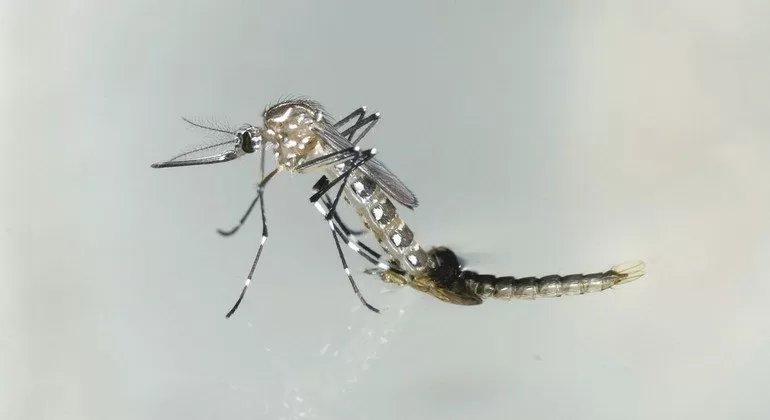
Dengue is a viral illness caused by the dengue virus (DENV), primarily transmitted to humans via bites from infected Aedes mosquitoes. The infection is widespread in tropical and sub-tropical climates, especially urban and semi-urban environments. The World Health Organization (WHO) stresses that controlling dengue depends on effective vector management and environmental sanitation—there is no specific antiviral treatment for the disease.
Most cases are mild and can be managed at home with adequate hydration and rest, but severe dengue—marked by hemorrhage, shock, or organ impairment—requires prompt hospitalization and intensive supportive care.
Public Health Implications
Given the high number of new cases and persistent spread, the situation in Bangladesh serves as a stark reminder for other countries in the region. Public health authorities recommend:
-
Proactive use of mosquito nets and repellents, especially during peak transmission season.
-
Regular elimination of standing water near homes, schools, and workplaces to prevent mosquito breeding.
-
Immediate medical consultation for high fever, aches, or suspected dengue symptoms.
-
Community education campaigns to dispel myths and encourage early healthcare-seeking behaviors.
Statistical Perspective
To put the situation in context:
-
More than 63,000 infections have been reported in Bangladesh so far in 2025.
-
Over 259 deaths attributed to dengue illustrate the ongoing risk of fatal complications.
-
2,648 patients are currently hospitalized, demonstrating ongoing pressure on the healthcare system.
Study Limitations and Counterpoints
Despite improvements, experts caution that there are challenges:
-
Delayed presentation remains a critical factor behind early hospital deaths.
-
Under-reporting in rural or underserved communities may mean the true burden is even higher.
-
No vaccine for dengue is widely available in Bangladesh outside of limited clinical trials, although investigational vaccines have shown promise elsewhere.
Dr. Anjali Mehra, epidemiologist at Safdarjung Hospital (not part of DGHS), notes, “Dengue surveillance relies heavily on hospital-based reporting, which can miss mild cases not requiring admission. Community-based studies are needed for a clearer picture.”
Practical Advice for Families and Communities
-
Use person-first language by focusing on “people living with dengue” rather than “dengue victims.”
-
Take specific actions: Use nets, check for standing water, seek timely healthcare.
-
Recognize that mild dengue can often be managed at home with medical advice, but severe symptoms require urgent attention.
Balanced Perspectives
While the 2025 mortality rate remains a concern, improvements in hospital management and public awareness offer hope. Still, the outbreak highlights systemic challenges:
-
Need for timely healthcare access and improved primary care networks.
-
Continued investment in mosquito control infrastructure.
-
Importance of government, healthcare, and community partnerships.
Bangladesh’s experience may inform neighboring countries as climate change and urbanization make vector-borne diseases like dengue an escalating global risk. Responsible, science-based information sharing can empower communities and support risk reduction.
Medical Disclaimer
Medical Disclaimer: This article is for informational purposes only and should not be considered medical advice. Always consult with qualified healthcare professionals before making any health-related decisions or changes to your treatment plan. The information presented here is based on current research and expert opinions, which may evolve as new evidence emerges.
References
- https://ommcomnews.com/world-news/dengue-claims-two-more-lives-in-bangladesh-2025-death-toll-rises-to-259/