 0
0
 0
0
Thiruvananthapuram – Kerala is witnessing a sharp rise in cases of dengue and leptospirosis (rat fever) as intermittent monsoon rains and widespread waterlogging create ideal conditions for disease transmission. Health authorities are on alert as daily dengue cases have surpassed 300, with 15 deaths reported so far this year. Leptospirosis has claimed 33 lives, intensifying public health concerns across the state.
Dengue Cases Spike Across Key Districts
The Kerala Health Department has confirmed that more than 300 people are currently being treated for dengue each day. Districts such as Palakkad, Kollam, and Kozhikode have reported the highest infection rates. The surge follows a period of relative decline, highlighting the seasonal vulnerability of the state to vector-borne diseases.
Leptospirosis Death Toll Rises
Leptospirosis, commonly known as rat fever, has also seen a worrying increase. Thirty-three deaths have been attributed to the disease this year. The infection, which spreads through water contaminated by the urine of infected rodents, poses a particular risk to those working in waterlogged or unhygienic environments. Health officials have urged the public to avoid contact with stagnant water, especially if they have open wounds, and to seek immediate medical attention if symptoms arise.
Covid-19 Cases Resurface, But No Major Alarm
After a period of decline, Kerala is also reporting a slight uptick in Covid-19 cases, with 95 active cases currently—up from 68 earlier in May. However, health experts and the Union Health Ministry have emphasized that the situation remains under control, owing to the state’s high vaccination coverage. There is no significant spike in hospital admissions or need for emergency measures at this time.
Health Department Response and Public Advisory
Dr. KJ Reena, Director of the Health Department, stated that all districts have been instructed to intensify surveillance, collect samples from suspected cases, and investigate for possible genetic mutations in the viruses. While no public health warning has been issued yet, authorities are closely monitoring the situation and have reinforced preventive measures, including vector control and public awareness campaigns.
Climate Change and Urbanization: Underlying Factors
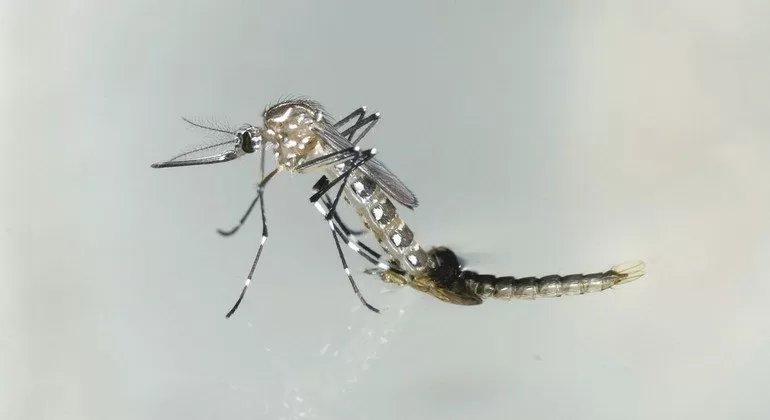
Experts point to climate change, erratic rainfall, and rapid urbanization as key factors exacerbating the spread of vector-borne diseases in Kerala. Fluctuating weather patterns and water stagnation create breeding grounds for mosquitoes, while higher temperatures accelerate their life cycles. The state’s dense population further increases transmission risks.
Preventive Measures for the Public
Health officials recommend the following precautions:
-
Avoid walking or working in stagnant water, especially with open wounds
-
Wear protective gear (gloves, boots) if exposure is unavoidable
-
Keep wounds clean and covered
-
Seek medical advice promptly if symptoms such as high fever, headache, or body pain develop
-
Follow prescribed prophylactic medication during high-risk periods
Outlook
While the state faces seasonal health challenges, authorities stress that the situation is being managed proactively. Continued vigilance, public cooperation, and adherence to safety guidelines remain crucial as Kerala navigates the monsoon months.
Disclaimer: This article is based on reports from Mathrubhumi and other public health sources. Readers are advised to avoid objectionable, derogatory, unlawful, or lewd comments in response to news reports, as such actions are punishable under cyber laws. The views expressed in this article are for informational purposes only and do not constitute medical advice. For personal health concerns, consult a qualified healthcare professional1.
Citations: