 0
0
 0
0
May 16, 2025 – Europe could soon face a new public health challenge as dengue and chikungunya, two fever-causing viral diseases, are poised to become endemic across the continent. This warning comes from a new study published in The Lancet Planetary Health, which links the northward spread of tiger mosquitoes-driven by global warming-to an increased risk of outbreaks.
Tropical Diseases on the Move
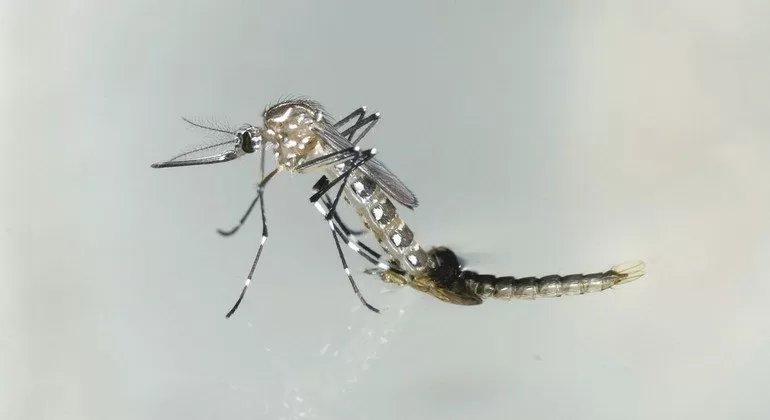
Historically, dengue and chikungunya have been largely confined to tropical regions. However, climate change is altering this landscape. The Aedes albopictus mosquito, commonly known as the tiger mosquito, is expanding its range further north as temperatures rise. This species, along with Aedes aegypti, is responsible for transmitting both viruses.
The study, conducted by a European research team, analyzed the impact of climate and mosquito expansion on disease outbreaks in Europe over the past 35 years. The findings reveal a clear trend: as temperatures have increased, so too have the frequency and severity of outbreaks.
Rising Cases and Expanding Risk
In 2024, the European Union recorded just over 300 cases of dengue-the highest annual total to date and a sharp increase compared to the 275 cases reported over the previous 15 years combined. Outbreaks have already been documented in Italy, Croatia, France, and Spain.
“Our findings highlight that the EU is transitioning from sporadic outbreaks of Aedes-borne diseases towards an endemic state,” the study authors wrote.
The research suggests that if current climate trends continue, outbreaks of dengue and chikungunya could become up to five times more frequent by 2060 under worst-case scenarios.
Socioeconomic Factors and Surveillance
Interestingly, the study notes that outbreaks have been more commonly detected in wealthier areas, likely due to better testing and surveillance. This raises concerns that cases in less affluent regions may be going undetected.
The tiger mosquito is also known to transmit other viruses, such as Zika and West Nile, though these were not the focus of the current study.
Global Health Implications
About half of the world’s population is already at risk of contracting dengue or chikungunya. While most cases result in fever and discomfort, both diseases can be deadly in rare instances. The recent deadly chikungunya outbreak on the French Indian Ocean island of Reunion underscores the potential severity of these viruses.
Looking Ahead
The study’s authors urge European health authorities to prepare for a future where dengue and chikungunya are no longer rare, imported diseases but persistent, local threats. Enhanced surveillance, public awareness, and mosquito control measures will be critical in managing the growing risk.
Disclaimer:
This article summarizes findings from a peer-reviewed study published in The Lancet Planetary Health and reported by Medical Xpress. The information provided is for general awareness and should not be construed as medical advice. For personal health concerns or specific guidance, please consult a qualified healthcare professional.
Citations: