 0
0
 0
0
:
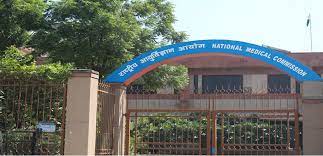
The National Medical Commission (NMC), India’s apex medical education regulator, is facing mounting calls for restructuring after a major bribery and inspection scandal shook the sector. The controversy erupted following a Central Bureau of Investigation (CBI) probe that exposed a systemic corruption racket involving NMC inspections, implicating high-ranking officials from the Union Health Ministry, NMC, and prominent private medical college representatives.
The CBI booked 34 individuals, including eight officials from the Union Health Ministry, a National Health Authority officer, and five doctors from the NMC’s inspection team. The investigation revealed manipulation of the regulatory framework for private medical colleges, raising serious concerns about the integrity of medical education oversight in India.
In response, the Association of National Board Accredited Institutions (ANBAI) has written to Prime Minister Narendra Modi, urging a comprehensive overhaul of the NMC. ANBAI’s key recommendations include:
-
:
Proposing a participatory model with balanced representation from teaching institutions (both public and private), health services, professional associations, and students. This approach, modeled after the National Board of Examinations in Medical Sciences (NBEMS) Board, aims to enhance transparency, credibility, and alignment with national health goals. -
:
Advocating for a transition from manual inspections to technology-enabled monitoring. ANBAI suggests real-time dashboards, remote audits, and digital records to minimize discretion, reduce corruption, and improve oversight quality. -
:
Recommending the use of the National Exit Test (NExT) as a tool to assess and compare the quality of medical colleges. Institutions with consistently poor results would be subject to review and improvement plans, while high-performing institutions would be recognized and supported. -
Curriculum and Accreditation Reforms:
Calling for updates to curriculum, faculty development, and accreditation mechanisms to address evolving national health priorities such as rural healthcare, geriatric and palliative care, mental health, and non-communicable diseases.
Dr. Alexander Thomas, a patron of ANBAI, emphasized the need for greater autonomy for the NMC and the appointment of qualified individuals to leadership roles. He highlighted the persistence of “inspector Raj” and the resulting corruption, advocating for technology-enabled monitoring and performance-linked regulation based on NExT exam results. Dr. Thomas called the recent scandal “unfortunate” and stressed the importance of restoring credibility to the regulatory process.
The scandal and subsequent demands for reform have reignited debate over the effectiveness and transparency of India’s medical education regulatory framework. Stakeholders are urging swift action to restore trust, modernize oversight, and ensure that medical education aligns with the nation’s healthcare needs.
:
This article is based on information available as of July 9, 2025, and references reporting from Medical Dialogues. The content is intended for informational purposes only and does not constitute legal or professional advice. Readers are encouraged to consult official sources for the latest updates and developments.