 0
0
 0
0
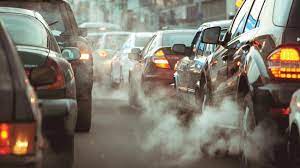
Delhi’s air pollution has reached crisis levels, prompting AIIMS experts to declare a public health emergency due to the severe and life-threatening toxicity enveloping the city this winter. Hospitals are experiencing a sharp surge in respiratory and other pollution-related illnesses, and doctors warn of widespread impacts beyond the lungs, affecting every organ from prenatal development through old age.
Key Developments and Expert Warnings
According to Prof. Anant Mohan, head of Pulmonary Medicine and Sleep Disorders at AIIMS, Delhi’s pollution levels have soared far beyond safe limits, creating a toxic smog that traps poisonous particles due to low temperatures, stagnant air, and lack of rainfall. This cyclical winter pollution crisis has become so severe that it strains healthcare facilities, with AIIMS daily treating nearly 500 patients suffering from respiratory ailments alone. Prof. Mohan emphasized that long-term exposure seriously shortens life expectancy, and the health damage ranges from increased asthma, heart disease, and stroke risks to complications in pregnancy and impaired lung development in children.
Dr. Saurabh Mittal of AIIMS echoed the urgent need for permanent solutions, warning that temporary fixes won’t prevent the escalating health crisis. The persistent smog leaves “new patients” being created annually, some of whom deteriorate to require hospitalization, with a fraction potentially irrecoverable. Authorities have implemented some emergency measures like construction bans and hybrid schooling to reduce exposure, but medical experts insist these are insufficient without systemic action.
Health Implications and Broader Context
The impact of Delhi’s toxic air now extends beyond respiratory conditions, affecting cardiovascular health, immune system function, and mental well-being. The State of Global Air 2025 report highlighted that India suffered over two million deaths linked to air pollution in 2023 alone, with particulate matter levels in South Asia among the highest globally. Delhi’s winter pollution regularly exceeds WHO safety thresholds by nearly tenfold, exacerbated by post-harvest crop residue burning, firecrackers, and urban emissions trapped beneath a stagnant atmospheric lid.
Medical professionals point out that pollution acts as a chronic assault on the body, raising risks of cancer, heart attacks, strokes, and neurological damage. Vulnerable groups such as children, the elderly, and those with pre-existing conditions bear the brunt, but worsening conditions are now seen across the general population. The health emergency declaration underscores the urgent public health ramifications of sustained poor air quality across the National Capital Region (NCR).
Expert Commentary and Recommendations
Experts strongly advise residents to minimize outdoor activities, especially those at high risk, and to use high-quality N95 masks and air purifiers indoors. However, Dr. Mohan cautioned that individual protective equipment offers limited defense against such pervasive pollution. “This is not just an environmental issue anymore. It is a health emergency,” he stated, calling for year-round monitoring, enforcement of air pollution regulations, and comprehensive regional strategies including electrified public transport and better stubble management.
Environmental experts and health authorities suggest that a unified airshed management plan treating the NCR as a single pollution zone with real-time public air quality dashboards is critical. Farmers’ adoption of sustainable agricultural practices, such as Happy Seeders and bio-decomposers, is needed to reduce crop burning emissions economically.
Potential Limitations and Balanced Perspective
While the health risks are profound, some experts note that the immediate visibility of pollution can sometimes overshadow long-term chronic effects that develop gradually. The relationship between specific diseases and pollution exposure can be complex and multifactorial, demanding ongoing research for nuance. Additionally, while AIIMS data highlight a severe regional crisis, broader systemic socio-economic factors also contribute to the persistence of poor air quality.
Practical Implications for Readers
For Delhi residents and those in similar environments, this health emergency means adopting stricter personal preventive measures, monitoring air quality frequently, and advocating for structural policy reforms. Clean air should be recognized as a fundamental right essential to public health and well-being rather than a seasonal inconvenience or luxury.
Medical Disclaimer
Medical Disclaimer: This article is for informational purposes only and should not be considered medical advice. Always consult with qualified healthcare professionals before making any health-related decisions or changes to your treatment plan. The information presented here is based on current research and expert opinions, which may evolve as new evidence emerges.
References