 0
0
 0
0
Rising Summer Deaths Linked to Heat Stress in Delhi
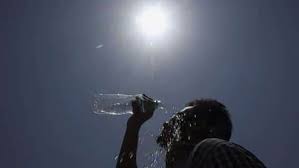
A recent report from Greenpeace India, “Death and Degree,” has uncovered a compelling link between soaring summer temperatures and an alarming increase in deaths in Delhi, especially among its most vulnerable residents, from 2015 to 2024. This trend, extending beyond the traditional peak summer months, marks a dangerous public health crisis driven by prolonged heat stress intensified by humidity and climate change.
Key Findings: Extreme Heat and Mortality
Greenpeace India’s research found that June through September now record persistently high Universal Thermal Climate Index (UTCI) values—a measure of perceived outdoor heat stress—even when air temperature doesn’t peak. Notably, July and August today feel as oppressive as the core summer, suggesting that heat stress is lingering into monsoon season, intensifying health risks for Delhi’s residents.
Deaths attributed to heat in Delhi between June and August jumped from 5,341 in 2019 to 11,819 across 2022–2024. June consistently saw the highest UTCI scores and largest annual death tolls. Most distressing was June 2024, with 192 homeless individuals succumbing to heat stroke in just eight days—the worst toll in two decades.
National Crime Records Bureau data show over nine percent of recent deaths in Delhi are due to “heat or sun strokes,” mainly affecting persons aged 30–60. Lancet Countdown estimates heat-related deaths among those aged over 65 rose 85% in 2018–2022 compared to 2000–2004, and climate models project that every 2°C rise in global temperature could increase heat-related deaths by 370%.
The Universal Thermal Climate Index: Defining Heat Stress
UTCI is a comprehensive biometeorological index that gauges how the human body experiences outdoor heat, factoring in air temperature, humidity, wind, and radiation. Strong UTCI values indicate heat stress far beyond what the air temperature may suggest, with categories ranging from “moderate heat stress” (26∘C26^\circ C–32∘C32^\circ C) to “extreme heat stress” (above 46∘C46^\circ C), representing dangerous conditions for public health.
According to the European Environment Agency, UTCI integrates thermal exposure and human physiology, capturing the health impact of climate conditions more accurately than air temperature alone.
Expert Perspectives: The Medical View
Dr. Ajay Chauhan, a senior physician at Ram Manohar Lohia Hospital in Delhi, notes a dramatic uptick in heat stroke deaths: “This heatwave is unlike anything we’ve encountered in recent years. Patients are arriving with severe organ damage due to hyperthermia—many do not survive”. Cardiologists warn that extreme heat can trigger heart attacks and strokes, especially in people with pre-existing health conditions.
Dr. Manoj Gupta, gastroenterologist, points to digestive issues: “During intense heat, the body diverts blood flow to the skin, reducing digestive efficiency. That’s why we see more complaints like bloating, indigestion, and diarrhoea in summer”.
Vulnerable Populations at Greatest Risk
The homeless, outdoor workers, older adults, and those with chronic illnesses face the greatest threat. Marginalized populations lacking reliable shelter, hydration, and access to cooling facilities bear the brunt of Delhi’s compounding heat stress and systemic gaps in protection.
Public Health Implications and Practical Advice
Delhi’s crisis highlights urgent needs for robust heat mitigation strategies, including publicly accessible cooling centers, expanded heat action plans covering monsoon months, and focused outreach to at-risk groups. The report’s findings emphasize the importance of hydration, using shade, and limiting outdoor activities during periods of high UTCI scores—a practical takeaway for residents in Delhi and elsewhere experiencing extreme heat.
Limitations and Counterpoints
While Greenwich India’s report draws on strong statistical trends and reputable climate indices, it also cautions that data on “unrecognised deaths” may undercount marginalized groups, and not every death can be directly attributed to heat exposure. Moreover, citywide mortality rates may reflect several factors beyond thermal stress, including healthcare access, air pollution, and comorbid conditions—demonstrating the need for further research and multi-layered interventions.
Balancing the Narrative: Progress and Policy Gaps
Although Delhi has implemented temperature warnings and some heat action plans, coverage remains patchy and largely focused on peak summer months. Experts and advocates urge comprehensive policies addressing the full heat season (including monsoon), infrastructure investments, and greater climate resilience for vulnerable populations if future tragedies are to be avoided.
Conclusion
Delhi’s escalating summer death toll and unprecedented UTCI readings reflect more than a seasonal challenge—they are stark indicators of a public health emergency fueled by climate change and social inequity. Proactive, evidence-based policies and community programs are urgently needed to shield those most at risk, as both ambient temperature and the duration of heat stress climb higher each year.
Medical Disclaimer:
This article is for informational purposes only and should not be considered medical advice. Always consult with qualified healthcare professionals before making any health-related decisions or changes to your treatment plan. The information presented here is based on current research and expert opinions, which may evolve as new evidence emerges.
References