 0
0
 0
0
New Delhi, October 23—Three days after Diwali celebrations, Delhi and its neighboring areas are grappling with persistent, hazardous air pollution, with the city’s Air Quality Index (AQI) stuck in the ‘very poor’ to ‘severe’ range. Despite the deployment of the Graded Response Action Plan (GRAP) Stage II, multiple monitoring sites—from RK Puram to Anand Vihar—reported dangerously high AQI readings as city authorities urge residents to limit outdoor activities.
Key Findings and Developments
The Central Pollution Control Board (CPCB) reported an overall AQI of 362 at 6 am for Delhi, solidly in the ‘severe’ category (AQI 300–500 considered very poor to hazardous). Localized monitoring showed even higher readings, with Anand Vihar peaking at 428. Other hotspots, including RK Puram, Patparganj, India Gate, AIIMS, and Akshardham, registered between 342 and 362—demonstrating that high-risk exposure was citywide.
Government response has included activating the 12-point GRAP Stage II plan. Measures implemented:
-
Suspension of construction activities
-
Restrictions on vehicle movement
-
Reduction of industrial emissions
These emergency interventions are aimed at curbing particulate accumulation, but early data suggest their effect is limited given meteorological challenges.
Expert Commentary and Medical Insights
Medical professionals are raising alarms for immediate public health impacts. Dr. Nikhil Modi, a leading respiratory medicine specialist at Apollo Hospitals, commented, “As winter approaches, cooler air and stagnant winds trap pollutants close to the ground. After Diwali, this accumulation is amplified by firecracker emissions, triggering an uptick in breathing difficulties, coughing, and increased watery eyes symptoms—especially among sensitive groups like children and the elderly”.
Dr. Anant Patel, a pulmonologist unaffiliated with the study, adds: “Every spike in AQI corresponds with a measurable increase in outpatient visits for asthma, chronic bronchitis, and cardiovascular events. Even healthy adults may experience symptoms like throat irritation or headaches during hazardous AQI intervals.”
Statistical Context:
-
AQI at 6 am, October 23: 362 overall; Anand Vihar at 428.
-
Previous Diwali peak AQI: 462 in 2020, 360 in 2024, and 351 in 2025.
Context and Background
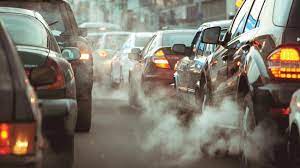
Air quality in Delhi historically dips after Diwali due to firecracker emissions, combined with ongoing urban sources—construction dust and traffic exhaust. According to health authorities, PM2.5 and PM10 levels surge in post-festival weeks, exacerbated by winter temperatures and wind inversions that trap pollutants lower to the ground.
Efforts to mitigate pollution include legal bans on fireworks, periodic construction shutdowns, and intensified vehicle checks, but compliance and enforcement remain inconsistent. Despite a reported 21% rise in construction and an 8% increase in new vehicle registrations, Delhi’s post-Diwali AQI showed marginal improvements compared to past years—a sign that regulatory campaigns and civic awareness are making gradual progress.
Implications for Public Health
Vulnerable groups—children, elderly individuals, and people with pre-existing respiratory conditions—face the greatest risks. Short-term exposure to hazardous air can provoke serious health events, including asthma attacks, heart complications, and acute respiratory distress. Long-term, repeated exposure remains a factor in chronic lung disease and cardiovascular morbidity.
Practical advice for residents, as recommended by health professionals:
-
Limit outdoor exposure during high AQI days
-
Use N95 masks for outdoor activities
-
Install air purifiers in homes, particularly for at-risk populations
-
Monitor local AQI via government websites or mobile apps
These steps can reduce the burden of symptoms and hospital admissions, though systemic solutions will require sustained government action and cross-sector collaboration.
Limitations and Counterarguments
While current measures have stabilized AQI levels relative to past years, meteorological factors beyond human control—like temperature inversion and wind speed—continue to drive pollution accumulation. Some experts caution that comparing single-day AQI post-Diwali may obscure regional variations and underreport exposure peaks in underserved neighborhoods.
Others point to the limitations of GRAP restrictions, noting that enforcement gaps and lack of public infrastructure remain barriers to lasting air quality improvement in Delhi.
Balanced Reporting
There’s cautious optimism among environmental policymakers. As Delhi Environment Minister Manjinder Singh Sirsa highlights, “Despite developmental pressures, pollution trends are improving year-on-year due to stricter regulation and rising citizen involvement”. Yet, advocates warn that without aggressive, long-term investments in clean energy and urban design, breakthroughs may remain uneven.
Practical Takeaways for Readers
-
Track AQI regularly and plan outdoor activities accordingly
-
Consult healthcare providers for personalized advice if experiencing symptoms
-
Engage with community initiatives to support cleaner air
-
Advocate for policy reforms at municipal and regional levels
These practical actions reinforce both individual and societal responsibility in tackling Delhi’s air quality crisis.
Medical Disclaimer
Medical Disclaimer: This article is for informational purposes only and should not be considered medical advice. Always consult with qualified healthcare professionals before making any health-related decisions or changes to your treatment plan. The information presented here is based on current research and expert opinions, which may evolve as new evidence emerges.
References
-
Economic Times Health. “Delhi air quality stays ‘severe’ three days after Diwali; multiple areas record hazardous AQI.” October 23, 2025.https://health.economictimes.indiatimes.com/news/industry/delhi-air-quality-stays-severe-three-days-after-diwali-multiple-areas-record-hazardous-aqi/124754908?utm_source=top_story&utm_medium=homepage