 0
0
 0
0
NEW DELHI — As the capital continues to grapple with a persistent respiratory emergency, a new Right to Information (RTI) disclosure has revealed a significant disconnect between financial allocation and environmental action. Despite a dire public health landscape, the Delhi government utilized only 43% of its ₹300 crore budget earmarked for pollution control and emergency measures during the 2025-26 fiscal year, as of January 20, 2026.
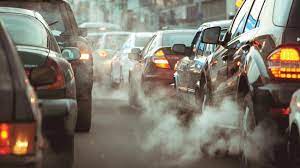
This budgetary shortfall comes at a staggering human cost. In 2025, Delhi recorded zero “good” air quality days, and early 2026 data shows the city remains locked in a cycle of “poor” to “hazardous” air. With air pollution linked to nearly two million deaths across India in 2023, health experts and environmental advocates are questioning why life-saving funds remain unspent while hospitals overflow with patients struggling to breathe.
A Breakdown of the Spending Gap
The RTI reply from the Delhi Environment Department shows that out of the ₹300 crore allocated, only ₹129.83 crore was spent by late January. A closer look at the ledger reveals a heavy reliance on “cosmetic” fixes rather than systemic overhauls.
Where the Money Went
The majority of the utilized funds were directed toward short-term, reactive measures:
-
₹58.83 crore for hiring 200 truck-mounted anti-smog guns.
-
₹47.12 crore for an additional 200 guns carried over from the previous year.
-
₹23.37 crore on mist spray systems along major roadways.
The “Zero-Spend” Categories
Perhaps more concerning are the critical long-term projects that saw no investment at all. According to the RTI data, ₹70 crore intended for remediating groundwater damage and ₹64.40 crore for the Municipal Corporation of Delhi’s (MCD) mechanical road sweepers and water sprinklers remained untouched. Furthermore, funds for real-time pollution source studies and an e-waste eco-park—projects designed to identify and eliminate the root causes of smog—recorded zero utilization.
The Biological Toll: Like “Invisible Sandpaper”
While the bureaucracy stalls, the physiological impact on Delhi’s 33 million residents is accelerating. In 2025, the city experienced a harrowing 33 “hazardous” days and 52 “severe” days. In February 2026, PM2.5 levels averaged 140 µg/m³, nearly ten times the World Health Organization’s (WHO) recommended safety limit.
“Think of fine particulate matter (PM2.5) as invisible sandpaper,” says Dr. Sanjay Rajpal, a Delhi-based pulmonologist. “These particles are small enough to bypass the lung’s natural filters, entering the bloodstream and scouring the linings of the heart and brain. Over time, this causes systemic inflammation that leads to strokes, heart disease, and cognitive decline.”
The statistics back this grim analogy. Since October 2025, nearly 44% of Delhi residents have sought medical consultation for pollution-related symptoms, including chronic coughs, debilitating headaches, and severe fatigue. Nationally, the health crisis is even more pronounced: air pollution deaths in India have surged by 43% since 2000, with 70% of those deaths attributed to Chronic Obstructive Pulmonary Disease (COPD).
Expert Perspectives: Reactive vs. Proactive
Environmental analysts argue that the current spending pattern prioritizes visibility over efficacy.
“Anti-smog guns provide a visual sense of action, but they are essentially a Band-Aid on a bullet wound,” says Sunil Dahiya of Envirocatalysts. “The zero spending on source apportionment studies is a missed opportunity. Without real-time data on where pollution is coming from, we are fighting an invisible enemy with our hands tied.”
Aarti Khosla, Director of Climate Trends, points to a broader systemic issue: “Federal budget cuts—down ₹209 crore for 2026-27—signal a shift in priorities that Delhi cannot afford. While the National Clean Air Programme (NCAP) targets a 40% reduction in particulates by 2026, the persistent underfunding and underutilization suggest we are moving backward.”
The Bureaucratic Counterpoint
Government representatives often cite procurement hurdles, inter-agency coordination delays between the Public Works Department (PWD) and the Delhi Jal Board, and the seasonal nature of the Graded Response Action Plan (GRAP) as reasons for the slow rollout of funds. Some officials argue that spending traditionally accelerates in the final quarter of the fiscal year (January to March) as contracts are finalized.
Public Health Implications and Survival Strategies
The divide in health outcomes is stark. In India, pollution drives 186 deaths per 100,000 people, compared to just 17 in high-income nations. This disparity strains the public healthcare system and drains the economy through lost productivity.
For residents, the failure to utilize pollution budgets means the burden of protection remains a private expense. Health professionals recommend the following “survival” protocols during high-AQI months:
-
N95/P100 Masks: Standard cloth masks do not filter PM2.5 particles.
-
Indoor Air Purification: Using HEPA-grade filters in bedrooms, especially for children and the elderly.
-
Activity Timing: Avoiding outdoor exercise during “inversion” periods (early morning and late evening) when pollutants are trapped closest to the ground.
The Path Forward
The underutilization of the ₹300 crore budget is not merely a fiscal lapse; it is a public health failure. As the 2025-26 fiscal year draws to a close, the focus must shift from reactive misting to the mechanical sweeping of roads and the transition to electric mobility.
Without accountability for unspent funds and a shift toward data-driven, long-term investments, the citizens of Delhi remain trapped in a cycle of seasonal toxicity that is shaving years off the average life expectancy.
References
-
PTI/The Economic Times Health. (2026, February 25). Around 43% of Rs 300-cr budget for pollution control utilised in 2025-26 so far: RTI reply.
Medical Disclaimer: This article is for informational purposes only and should not be considered medical advice. Always consult with qualified healthcare professionals before making any health-related decisions or changes to your treatment plan. The information presented here is based on current research and expert opinions, which may evolve as new evidence emerges.