 0
0
 0
0
Delhi, November 2025 — The national capital is grappling with dangerously high pollution levels primarily driven by particulate matter PM10, according to Delhi Environment Minister Manjinder Singh Sirsa. The government has identified 62 pollution hotspots across the city, mainly linked to construction activity, dusty roads, and traffic congestion, intensifying efforts to address these sources amid worsening air quality with winter’s onset.
Key Findings on Pollution Sources in Delhi
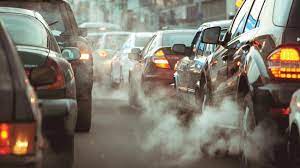
Minister Sirsa highlighted that PM10 particulate matter—particles with a diameter of 10 micrometers or less—is the dominant pollutant aggravating Delhi’s air quality . These particles largely originate from construction dust, unpaved or dusty roads, and the heavy traffic typical of the city’s congested areas. The government inspection revealed 62 specific hotspots where emissions from these factors are particularly concentrated.
The deterioration in air quality is further compounded as accumulated dust transforms into smog during the colder months, significantly reducing visibility and increasing health risks. Additionally, border areas around Delhi remain affected by emissions from industrial units relocated outside the city, indicating pollution is not confined strictly within municipal boundaries .
Context and Background on PM10 and Health Implications
Particulate matter such as PM10 can penetrate deep into the respiratory tract, causing or exacerbating respiratory and cardiovascular diseases. According to the World Health Organization (WHO), exposure to particulate matter is linked with increased hospital admissions for asthma, bronchitis, and other lung conditions, particularly among vulnerable populations like children, the elderly, and individuals with pre-existing health issues (WHO, 2021). PM10 is composed of dust, pollen, mold spores, and fine particles from combustion sources, making it a complex pollutant that requires multifaceted mitigation strategies.
Wintertime air pollution in Delhi is known to peak annually, partly due to meteorological conditions such as temperature inversion, which traps pollutants close to the ground, and increased burning of biomass and crop stubble in neighboring agricultural zones. Although stubble burning contributes to smog, Sirsa mentioned its impact is expected to decline with the onset of the sowing season .
Expert Perspectives on Pollution and Public Health
Dr. Anjali Sharma, a pulmonologist at a Delhi-based hospital, underscored the health burden said, “PM10 particles are particularly dangerous because they bypass the nose and throat defenses to lodge deep into the lungs, triggering inflammation and worsening chronic conditions like asthma and COPD.” She advocated for urgent improvements in urban sanitation and stricter controls on construction-related dust emissions to reduce acute exposure episodes.
Environmental health scientist Dr. Rajiv Kumar from the Indian Institute of Public Health noted, “Traffic congestion not only generates large amounts of PM10 through vehicle emissions but also re-suspends road dust. Addressing road cleanliness and traffic flow are key priorities in mitigating urban air pollution.”
Government Actions and Public Health Implications
The Delhi government’s initiative to identify and target 62 major PM10 hotspots is a crucial step towards focused pollution mitigation. These hotspots predominantly correspond to areas with high vehicular density, active construction zones, and poorly maintained road infrastructure . Strengthening road hygiene, enforcing construction dust control measures, and managing traffic flow could significantly reduce particulate emissions and improve air quality.
For the general public, the ongoing pollution surge means heightened risk to respiratory health, particularly for sensitive groups. Health advisories commonly recommend minimizing outdoor activities during peak pollution periods, using air purifiers indoors, and wearing particulate-filtering masks when outside.
Balanced Reporting: Limitations and Conflicting Views
While PM10 is a major contributor, it is part of a multifactorial air pollution challenge in Delhi involving other pollutants like PM2.5, nitrogen oxides, and ozone. Experts caution that focusing solely on PM10 may overlook these other components which also have critical health impacts. Furthermore, some critics argue that pollution control measures at hotspots may provide only temporary relief unless broader systemic urban planning and industrial emission regulations evolve.
Medical Disclaimer: This article is for informational purposes only and should not be considered medical advice. Always consult with qualified healthcare professionals before making any health-related decisions or changes to your treatment plan. The information presented here is based on current research and expert opinions, which may evolve as new evidence emerges.
References:
-
Sirsa, Manjinder Singh, “Delhi’s Pollution Driven Largely by PM10, 62 Hotspots Identified,” Economic Times Health, November 2025.https://health.economictimes.indiatimes.com/news/industry/delhis-pollution-driven-largely-by-pm10-62-hotspots-identified-sirsa/125348886?utm_source=top_story&utm_medium=homepage