 0
0
 0
0
New Delhi, January 16, 2026 – A recent survey reveals a sharp up to 60% increase in demand for nebulisers, inhalers, and respiratory medicines for children across Delhi’s pharmacies during peak winter pollution months, highlighting a growing public health emergency for the city’s youngest residents. Conducted by the ‘Warrior Moms’ group in collaboration with chemists in south, east, north, and central Delhi, the study—repeated from last year—shows nearly one-third of all nebuliser purchases are now for pediatric use, driven by worsening air quality from November to January.
Survey Key Findings
The survey documents significant sales spikes in common asthma medications like Asthalin, Levolin, Budecort, and Seroflo, with north Delhi reporting about 40% higher inhaler sales and central-south areas seeing 50-60% jumps in nebuliser demand. Parents report children experiencing persistent cough, wheezing, breathlessness, and chest tightness, symptoms that intensify during high-smog mornings and evenings when Air Quality Index (AQI) often exceeds 300—over 20 times WHO limits. Pharmacies also face stock shortages of essentials like Duolin Respules and Budecort solutions, urging better supply chains and school awareness campaigns.
Pollution’s Toll on Children’s Lungs
Delhi’s winter smog, fueled by crop burning, vehicle emissions, industrial output, and stagnant winds, disproportionately harms children whose developing lungs, faster breathing rates, and ground-level activity increase pollutant intake. Fine PM2.5 particles penetrate deep, causing airway inflammation, excess mucus, and heightened infection risks like bronchitis and pneumonia; studies show doubled emergency visits on high-pollution days. Long-term exposure links to stunted lung growth, chronic asthma, and even cognitive impacts, with Delhi hospitals noting 50-70% pediatric cases tied to pollution seasons versus 20-30% otherwise.
Expert Insights
“These particles compromise a child’s immune system, especially since their bodies are still developing,” states Dr. Shishir Bhatnagar, a Noida-based pediatrician, who has seen a tenfold rise in respiratory cases during smog peaks. Dr. Meera Sharma, pediatric pulmonologist, calls air pollution “a public health crisis,” noting 32.1% of Delhi children suffer respiratory symptoms versus 18.2% in rural areas, per National Library of Medicine data. Dr. Charu Pannu from Aster DM Healthcare adds that children inhale more air per body weight, spiking acute illnesses and risking lifelong conditions like impaired lung function.
Broader Public Health Context
Delhi recorded over 200,000 respiratory illness cases in recent years amid zero “good” AQI days in 2025, with winter AQI routinely hitting “severe” levels above 400. A 2004 New England Journal of Medicine study confirms pollution’s chronic effects on lung development in children aged 10-18, while local data shows girls more affected, possibly due to indoor exposures. Nationally, urban pollution raises stunting by 5 percentage points per PM2.5 increase, compounding India’s child health burdens.
Treatment Realities: Nebulisers and Inhalers
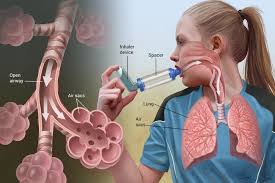
Nebulisers deliver misted medications like salbutamol (1.25-5mg doses for kids) effectively for young children unable to use metered-dose inhalers (MDIs), per WHO and NAEPP guidelines, often combined with ipratropium for severe cases. MDIs with spacers match nebuliser efficacy for older kids, reducing hospital needs by 1 in 12 severe exacerbations, though shortages disrupt care. Surveys confirm these tools’ surge reflects both acute needs and parental self-management amid strained healthcare.
Implications for Families and Policy
Parents in pollution hotspots should limit outdoor time, use HEPA filters indoors, ensure vaccinations, and seek early care for wheezing—avoiding unmonitored nebuliser overuse that risks side effects like rapid heartbeat. Schools need pollution protocols, while policymakers must tackle stubble burning and emissions; experts warn untreated childhood infections lead to adult obstructive disease akin to smoking damage. This surge signals urgent investment in clean air for India’s future generations.
Limitations and Balanced View
The Warrior Moms survey relies on chemist reports, lacking clinical confirmation or control groups, potentially overestimating demand from panic buying. While pollution drives spikes, factors like viruses and allergies contribute; not all increases signal new cases but exacerbated existing asthma. Ongoing research, like Nature’s 2025 PM deposition study, refines risks but stresses multifaceted interventions beyond devices.
Medical Disclaimer: This article is for informational purposes only and should not be considered medical advice. Always consult with qualified healthcare professionals before making any health-related decisions or changes to your treatment plan. The information presented here is based on current research and expert opinions, which may evolve as new evidence emerges.
References
-
Warrior Moms Survey. “Nebuliser, inhaler demand for children jumps by up to 60 pc in Delhi winters.” The Economic Times Health, January 14, 2026. https://health.economictimes.indiatimes.com/news/industry/nebuliser-inhaler-demand-for-children-jumps-by-up-to-60-pc-in-delhi-winters-survey/126536757[health.economictimes.indiatimes]