 0
0
 0
0
January 25, 2026
NEW DELHI — A worsening water crisis has gripped the national capital this week as ammonia levels in the Yamuna River surged to nearly three times the treatable limit, forcing a massive scale-back in production at several key water treatment plants. The Delhi Jal Board (DJB) reported on Wednesday that ammonia concentrations hit upwards of 3.0 parts per million (ppm), far exceeding the 0.9 ppm threshold that city infrastructure can safely manage.
The crisis, described by officials as a “double whammy,” coincides with scheduled maintenance on the Munak Canal by the Haryana government, which has halved the flow of fresh water usually used to dilute Yamuna pollutants. With the Wazirabad Water Treatment Plant (WTP) completely shut down and others like Chandrawal and Haiderpur operating at significantly reduced capacity, residents in North, West, and Central Delhi are facing dry taps and low pressure—a situation experts warn could persist until February 4, 2026.
The Chemistry of the Crisis: Why Ammonia Matters
Ammonia ($NH_3$) is a colorless, pungent compound that frequently enters water sources through industrial waste, sewage discharge, and agricultural runoff. While it occurs naturally at low levels (typically below 0.2 mg/L), the current spike is attributed to untreated industrial effluents flowing upstream from Haryana.
“The challenge for a city like Delhi is that our treatment plants are designed for sedimentation and disinfection, not for heavy chemical industrial loads,” explains Dr. Arpit Sharma, a public health consultant and environmental researcher. “When ammonia levels exceed 1.0 ppm, the standard chlorination process becomes problematic. Chlorine reacts with ammonia to form chloramines. While chloramines are sometimes used as a secondary disinfectant, at these high concentrations, they can impart an offensive taste and odor and, more importantly, reduce the effectiveness of the disinfection process itself.”
Affected Areas
The supply disruption has hit major residential and commercial hubs, including:
-
North & West Delhi: Janakpuri, Dwarka, Shalimar Bagh, Sultanpuri, and Punjabi Bagh.
-
Central Delhi: The VVIP Lutyens’ zone, including the NDMC area and ITO.
-
South Delhi: Greater Kailash, Moolchand, and parts of the Delhi Cantonment.
Health Risks: From Respiratory Irritation to Organ Stress
While the World Health Organization (WHO) does not set a formal health-based guideline for ammonia in drinking water—noting that the human body can typically metabolize small amounts into urea—high-concentration spikes like the one currently seen in Delhi pose specific risks.
1. Respiratory and Mucous Membrane Irritation
Ammonia is highly alkaline. When ingested or inhaled (via steam from hot water), it can irritate the lining of the throat and lungs. Residents may experience coughing, a scratchy throat, or shortness of breath.
2. Neurological Concerns
In extreme cases of ingestion where concentrations are high enough to bypass the liver’s “detoxification” capacity, ammonia can enter the bloodstream. As a neurotoxin, it may cause dizziness, headaches, and confusion. “Vulnerable populations, particularly those with pre-existing liver or kidney conditions, must be especially careful,” says Dr. Sharma. “Their bodies may struggle to process even moderate increases in ammonia nitrogen.”
3. Skin and Eye Sensitivity
Bathing in high-ammonia water can lead to skin rashes (dermatitis) and eye irritation (conjunctivitis). The chemical effectively “saponifies” or breaks down the natural oils on the skin, leading to dryness and chemical burns in sensitive individuals.
How to Detect Ammonia at Home
Since you cannot always rely on municipal alerts in real-time, residents can use these sensory and technical indicators:
-
The “Fishy” Odor: Ammonia is famous for its sharp, pungent smell, often compared to household window cleaners. In water, it may also manifest as a “moldy” or “earthy” scent at levels as low as 1.5 mg/L.
-
The Taste Test: Contaminated water often carries a bitter or metallic aftertaste.
-
pH Testing: Ammonia is alkaline, but its presence in raw water often correlates with other pollutants that may fluctuate the pH. You can use simple litmus or pH strips; drinking water should ideally stay between 6.5 and 8.5.
-
Chlorine Check: If you use a home pool testing kit and find “Free Chlorine” is near zero despite the water being treated, it may be because the chlorine has been “consumed” by reacting with ammonia.
Safety Tips and Precautions
Until the DJB confirms that levels have returned to the safe limit of 0.5 ppm, health experts recommend the following:
Use Certified Filtration
Standard mesh or sediment filters are ineffective against dissolved ammonia. Residents should use Reverse Osmosis (RO) systems or Activated Carbon filters. RO membranes are highly effective at rejecting ionized ammonium ($NH_4^+$).
Do Not Rely on Boiling Alone
“A common misconception is that boiling solves everything,” warns Dr. Sharma. “While boiling kills bacteria, it can actually concentrate non-volatile pollutants. Furthermore, boiling ammonia-rich water releases ammonia gas into the air, which can be harmful if inhaled in an unventilated kitchen.” If you must boil, ensure the room is well-ventilated and consider filtering the water first.
Safe Handling
-
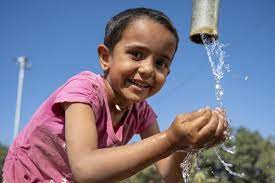
Judicious Use: Use tankers provided by the DJB (Helpline: 1916) for drinking and cooking.
-
Skin Care: If you experience itching after a shower, rinse with bottled or filtered water and apply a pH-balanced moisturizer.
Looking Ahead: A Recurring Crisis
This is not the first time Delhi has faced this “winter spike.” Data shows that ammonia surges occur almost every year between December and February when the river flow is at its lowest.
The Delhi Jal Board has deployed a fleet of 600 GPS-enabled electric tankers to prevent “tanker mafia” exploitation during the shortage. However, residents are advised that the situation is unlikely to fully normalize until the Munak Canal repairs are completed by early February.
Would you like me to find the contact details for the water tanker emergency services in your specific locality?
Medical Disclaimer
This article is for informational purposes only and should not be considered medical advice. Always consult with qualified healthcare professionals before making any health-related decisions or changes to your treatment plan. The information presented here is based on current research and expert opinions, which may evolve as new evidence emerges.
References
https://www.ndtv.com/health/ammonia-surge-leads-to-delhi-water-crisis-how-to-detect-safety-tips-and-precautions-for-residents-10878426