 0
0
 0
0
October 2025 witnessed a significant deterioration in air quality across the National Capital Region (NCR), with Delhi ranked as the sixth most polluted city in India, according to a recent study by the Centre for Research on Energy and Clean Air (CREA). This alarming ranking places Delhi behind neighbouring cities such as Ghaziabad and Noida, highlighting the persistent and worsening air pollution crisis in the region.
Key Findings on Air Pollution Levels
The CREA study based its findings on continuous ambient air quality monitoring data, revealing that Delhi’s average particulate matter (PM2.5) concentration in October soared to 107 micrograms per cubic meter (µg/m³). This represents nearly a threefold increase compared to September 2025’s average of 36 µg/m³. Delhi breached the National Ambient Air Quality Standard (NAAQS) on 77 percent of the days in October, enduring periods classified as ‘Severe’ and ‘Very Poor’ in terms of air quality.
Contextualizing these figures, the World Health Organization’s daily safe guideline for PM2.5 is a stringent 15 µg/m³—a limit that Delhi and most Indian cities consistently fail to meet. Only six cities in the country achieve this WHO threshold, underscoring the severity of the public health challenge.
Health Risks Associated with Poor Air Quality in Delhi
Exposure to elevated levels of PM2.5—fine particulate matter small enough to penetrate deep into lung tissues and enter the bloodstream—is linked to a broad spectrum of adverse health outcomes. A 2025 analysis reported that air pollution was responsible for nearly 15 percent of all deaths in Delhi in 2023, making it the city’s most significant environmental health risk. Cardiovascular diseases, respiratory illnesses including chronic obstructive pulmonary disease (COPD) and asthma, stroke, and lung cancer have all been scientifically connected to long-term exposure.
Dr. Neetu Jain, a senior pulmonologist not involved in the studies, explains, “Inhaling polluted air leads to inflammation and narrowing of the airways, limiting oxygen intake even in individuals with healthy lungs. The heart also suffers as fine particles enter the bloodstream, raising risks of hypertension, irregular heartbeats, and heart attacks”.
Vulnerable Populations and Public Health Concerns
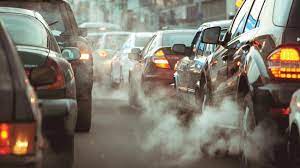
Children and the elderly are particularly susceptible. Children’s lungs are still developing, making them more vulnerable to slowed lung growth and increased asthma risk. The elderly, especially those with pre-existing cardiovascular or lung conditions, face heightened risks of fatigue, coughing episodes, and breathing difficulties. With near-continuous air quality deterioration during colder months—due in part to factors such as crop residue burning, vehicle emissions, and festive firecracker use—even healthy individuals report symptoms like chest tightness, sore throats, and nasal irritation.
Implications for Daily Life and Recommendations
Given the near impossibility of complete avoidance, experts recommend practical measures to mitigate exposure:
-
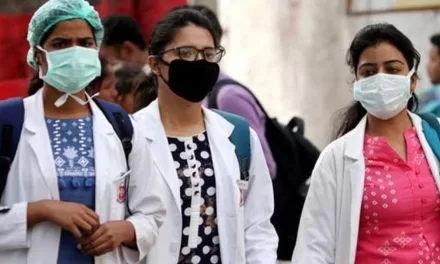
Wearing high-quality N95 masks outdoors during peak pollution times.
-
Limiting outdoor activity, especially for children and sensitive groups, during early mornings and late evenings when pollution peaks.
-
Using indoor air purifiers and keeping windows closed during severe pollution episodes.
-
Maintaining hydration and a diet rich in antioxidants from fresh fruits and vegetables to help combat oxidative stress.
Balanced Perspective and Study Limitations
While the burden of disease attributable to air pollution is well-substantiated, it is important to acknowledge limitations in mortality quantification due to the complex interplay of environmental and individual factors. Additionally, seasonal variations and episodic spikes from festivals and weather conditions can affect data interpretation year-to-year.
Public health experts call for sustained policy actions, including stricter emissions standards, enhanced public transport options, and regional cooperation to reduce crop burning to address the root causes of pollution at scale.
Conclusion
Delhi’s status as the sixth most polluted city in India in October 2025 exemplifies a broader environmental health crisis with significant ramifications for cardiovascular and respiratory health in the population. The evidence underscores an urgent need for multifaceted strategies combining individual protective measures with robust policy interventions to alleviate the health impacts of air pollution.
Medical Disclaimer: This article is for informational purposes only and should not be considered medical advice. Always consult with qualified healthcare professionals before making any health-related decisions or changes to your treatment plan. The information presented here is based on current research and expert opinions, which may evolve as new evidence emerges.
References